A Working Group Takes Shape
Transport Scotland has convened a working group alongside Caledonian Sleeper and Scottish Rail Holdings to examine whether direct overnight trains linking Scotland to mainland Europe can become reality. The move fulfils a Scottish government manifesto pledge to strengthen rail connections across the continent.
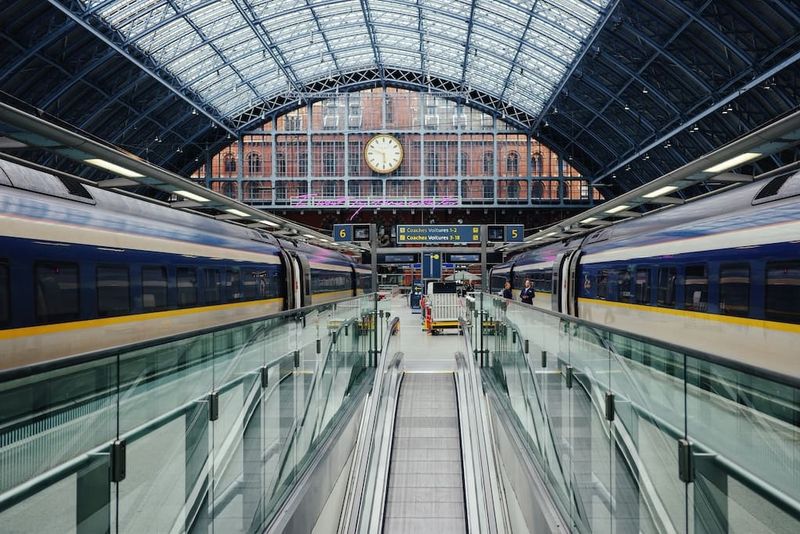
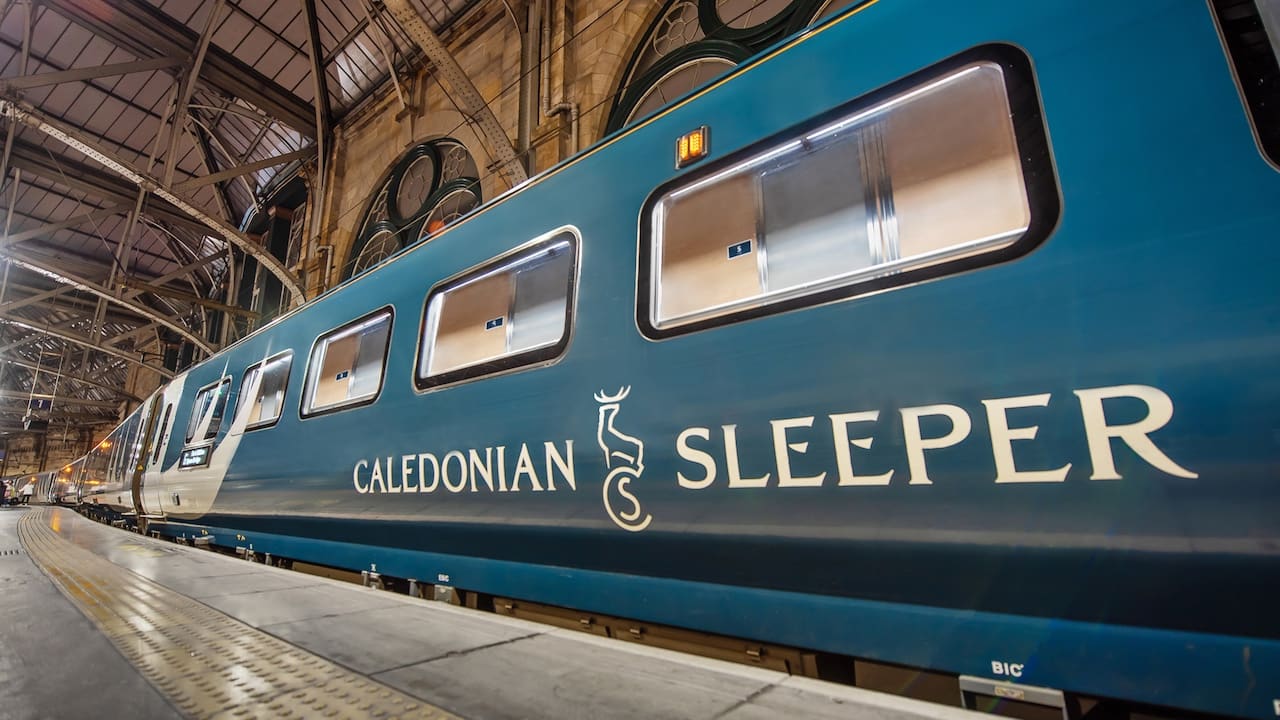
Right now, passengers travelling from Scottish cities to Europe face a familiar hurdle: Caledonian Sleeper runs six services a week between Scotland and London Euston, stopping at Preston, Crewe, and Birmingham International along the way. Northbound trains split toward Aberdeen, Inverness, Fort William, Glasgow, and Edinburgh. But every southbound journey ends at Euston, forcing travellers to switch stations to London St Pancras for Eurostar departures. That extra leg adds time, hassle, and the risk of missed connections.
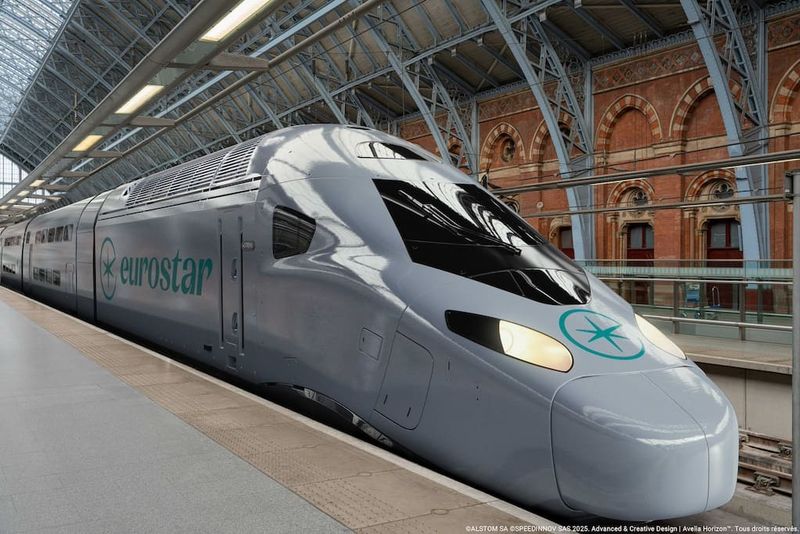
A through service using the Channel Tunnel would eliminate that transfer, shaving hours off the total trip and opening a single-ticket route from Edinburgh or Glasgow to Lille, Paris, Brussels, Amsterdam, and cities farther afield.
Why the Timing Feels Different
This is not the first attempt to bridge Scotland and the continent by rail. In the 1990s, a consortium involving Eurostar, SNCF, Deutsche Bahn, and Nederlandse Spoorwegen developed purpose-built locomotives and coaches for a similar service. The project collapsed in 1997, undone by spiralling costs and the rapid rise of low-cost carriers that reshaped the travel market.
Today's landscape looks markedly different. Night trains are enjoying a resurgence across Europe, driven by mounting climate awareness and a shift toward slower, more experiential journeys. Operators in Austria, Switzerland, France, and Sweden have expanded sleeper networks in recent years, and demand has kept pace. The environmental calculus has shifted, too: rail emits a fraction of the carbon produced by short-haul flights, making overnight services an attractive option for travellers who want to shrink their footprint without sacrificing reach.
For Scots, a direct sleeper could mean boarding in Edinburgh after dinner and waking up in central Paris or Brussels, ready to explore. For Europeans, it opens the door to Scottish itineraries that might otherwise require a flight: Edinburgh's castle and August festivals, island-hopping in the Hebrides, distillery trails in Speyside, golf courses along the coast, and Glasgow's thriving arts scene.
Practical Hurdles Remain
The feasibility study will need to wrestle with a series of technical and regulatory challenges. Channel Tunnel operations demand specialised security screening and border clearance, infrastructure that exists at only a handful of stations. That constraint could limit the initial route to major hubs such as Paris Gare du Nord or Brussels-Midi, where customs and immigration facilities are already in place.
Rolling stock poses another question. Caledonian Sleeper's current fleet is designed for the UK network, and cross-border services require trains compatible with different voltages, signalling systems, and platform heights. Building or adapting coaches to meet those standards will carry a price tag, and the study will need to weigh capital costs against projected ridership and revenue.
Cabinet Secretary for Economy, Tourism and Transport Stephen Flynn acknowledged the early stage of the work, noting that the study will focus on understanding the practical, technical, and commercial dimensions of the project. He described the formation of the working group as an important first step, one that draws on the expertise of Scotland's rail partners.
What Success Could Look Like
If the study finds the route viable, the service could reshape travel patterns in both directions. Scottish travellers gain a low-carbon, overnight alternative to flying, with the added appeal of arriving rested and avoiding airport queues. European visitors gain easier access to a region that has long marketed itself as a coolcation destination, offering dramatic landscapes, cultural depth, and a climate that rarely overwhelms.
The broader rail network stands to benefit, too. A Scotland-Europe sleeper would slot into a growing web of cross-border night trains, reinforcing the case for continued investment in rolling stock, station upgrades, and international ticketing platforms. It would also signal that peripheral regions, not just capital cities, can anchor viable long-distance services.
Whether the numbers add up remains to be seen. The study will need to model demand, estimate operating costs, and identify potential public or private funding sources. But the fact that the conversation is happening at all, backed by government commitment and industry engagement, suggests that the idea has moved beyond wishful thinking. The next few months will reveal whether Scotland and mainland Europe are finally ready to close the gap.