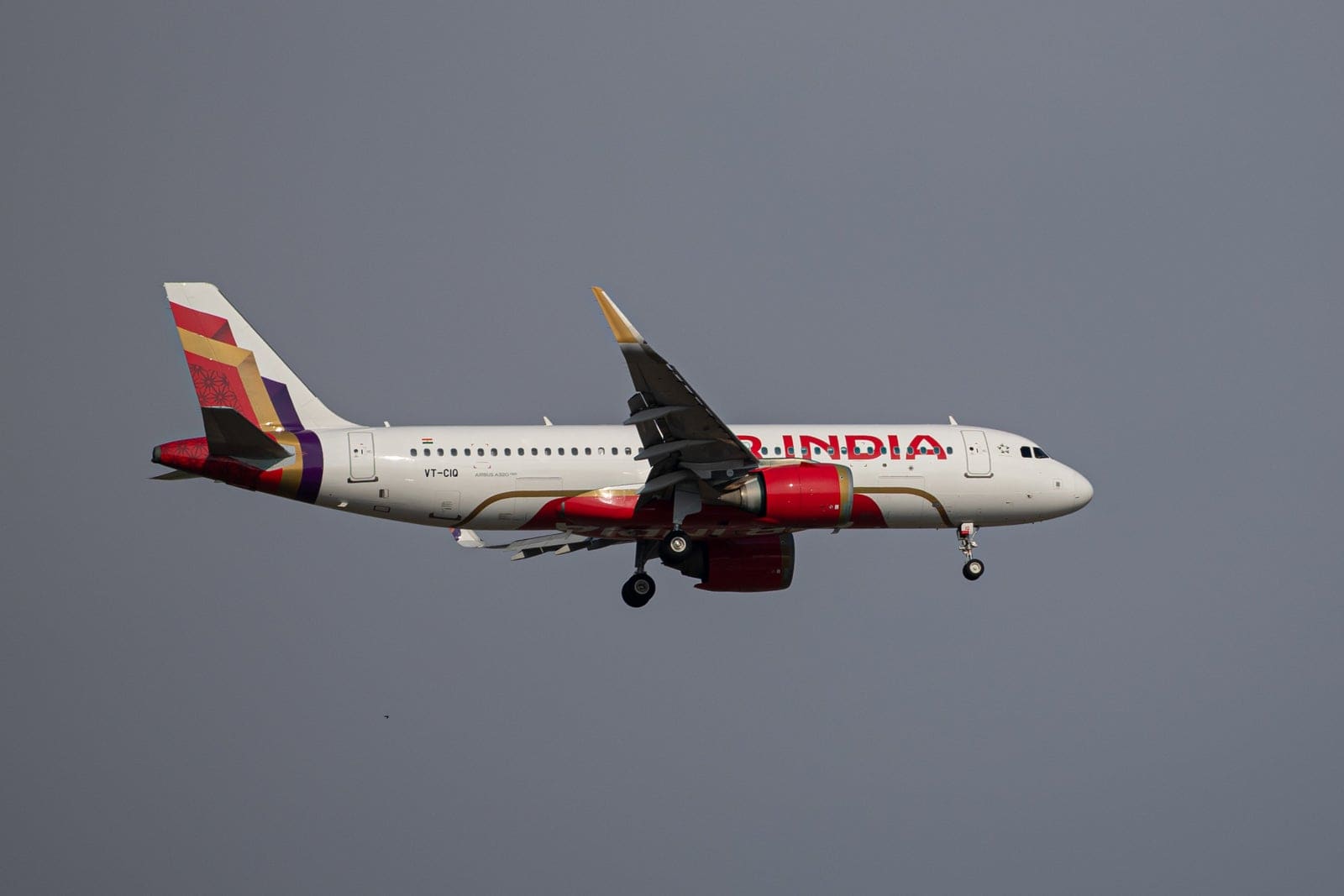
A Sudden Drop During Descent
An Air India flight carrying passengers from Phuket to Delhi encountered severe turbulence on August 4, injuring twelve people and prompting a swift medical response upon landing. The aircraft, operating as flight AI2379, experienced what the airline described as a brief turbulence event during cruise that caused a momentary altitude change. Tracking data suggests the plane dropped roughly 300 feet before the crew stabilized the aircraft.
The flight landed safely at Delhi's Indira Gandhi International Airport at 11am local time. Emergency crews were waiting at the gate, and images from the scene showed ambulances stationed at the terminal and several passengers being wheeled out, some with visible head bandages. All twelve injured individuals, ten passengers and two crew members, were taken to the airport's medical facility for examination.
Passengers Describe the Event
One passenger recounted being jolted awake about 90 minutes into the flight. "It was early in the morning, and we were sleeping. Suddenly, the aircraft tilted and kept moving like that for around two to three minutes," the traveler said. The incident occurred without warning, giving passengers no time to brace.
Among those hurt was an infant, according to passenger accounts. Another traveler reported lower back pain, while his brother sustained shoulder and back injuries. The range of injuries suggests passengers were thrown against cabin surfaces or struck by unsecured items during the turbulence.
Air India confirmed that no serious injuries were reported, characterizing the cases as minor and requiring only precautionary assessment. The airline's airport team coordinated with medical personnel to ensure everyone received prompt care.
What Causes These Events
Turbulence remains one of the most common sources of in-flight injury, though severe cases are relatively rare. Data from the International Civil Aviation Organisation indicates that around 40 percent of serious passenger injuries in 2023 resulted from turbulence encounters. These incidents typically happen when aircraft move through unstable air masses, which can include clear-air turbulence that gives no visual warning.
The Phuket-Delhi route crosses varied terrain and weather systems, including mountainous regions and monsoon patterns that can create sudden pockets of rough air. Descent phases, when planes are already adjusting altitude and speed, can amplify the effect of unexpected turbulence.
Most turbulence injuries occur among passengers or crew who are not seated with seatbelts fastened. Airlines routinely advise keeping belts loosely fastened even when the seatbelt sign is off, but compliance varies, especially on overnight flights when passengers are trying to sleep comfortably.
Airline Response and Investigation
Air India emphasized that passenger safety remains its primary concern and pledged full cooperation with authorities investigating the incident. The airline is providing support to those affected, though it has not disclosed specifics about compensation or follow-up care plans.
The investigation will likely examine cockpit communications, weather data along the flight path, and whether the crew received any advance warning of turbulent conditions. Modern aircraft are equipped with weather radar and receive updates from air traffic control, but clear-air turbulence can still catch crews by surprise.
For passengers on the affected flight, the experience serves as a stark reminder of aviation's unpredictable moments. While the aircraft itself suffered no damage and the crew executed a safe landing, the dozen injuries underscore why flight attendants stress the importance of staying buckled in, even during smooth stretches of a journey.