A Shift for Europe's Budget Flyers
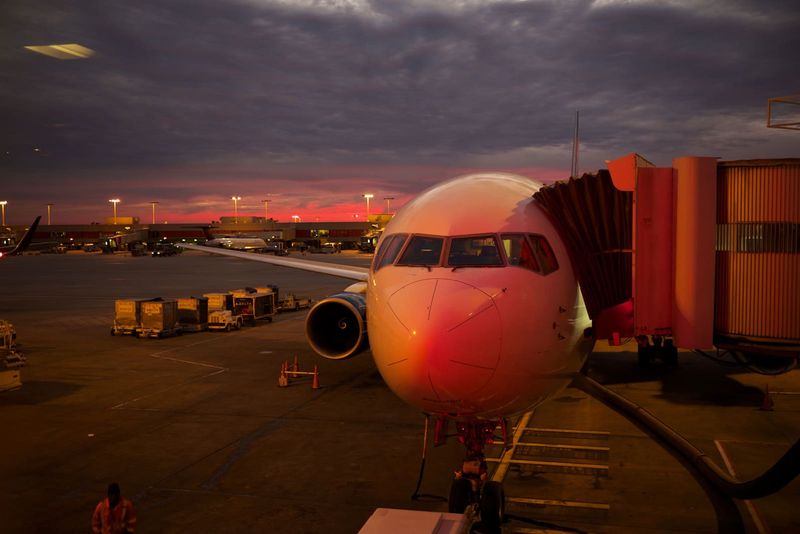
EasyJet will offer in-flight internet for the first time in its history, marking a notable shift for a carrier that has long kept costs low by skipping amenities common on legacy airlines. The British budget airline announced on 26 October 2026 that it will install Starlink satellite internet across its entire Airbus fleet, with the rollout beginning in the first half of 2027 and expected to finish by early 2028.
The move affects a substantial slice of European air travel. EasyJet carried 100 million passengers in 2025 and operates to more than 160 airports, most of them on flights under three hours. Until now, passengers on those routes have had no way to get online once the aircraft door closed.
What Passengers Will Get
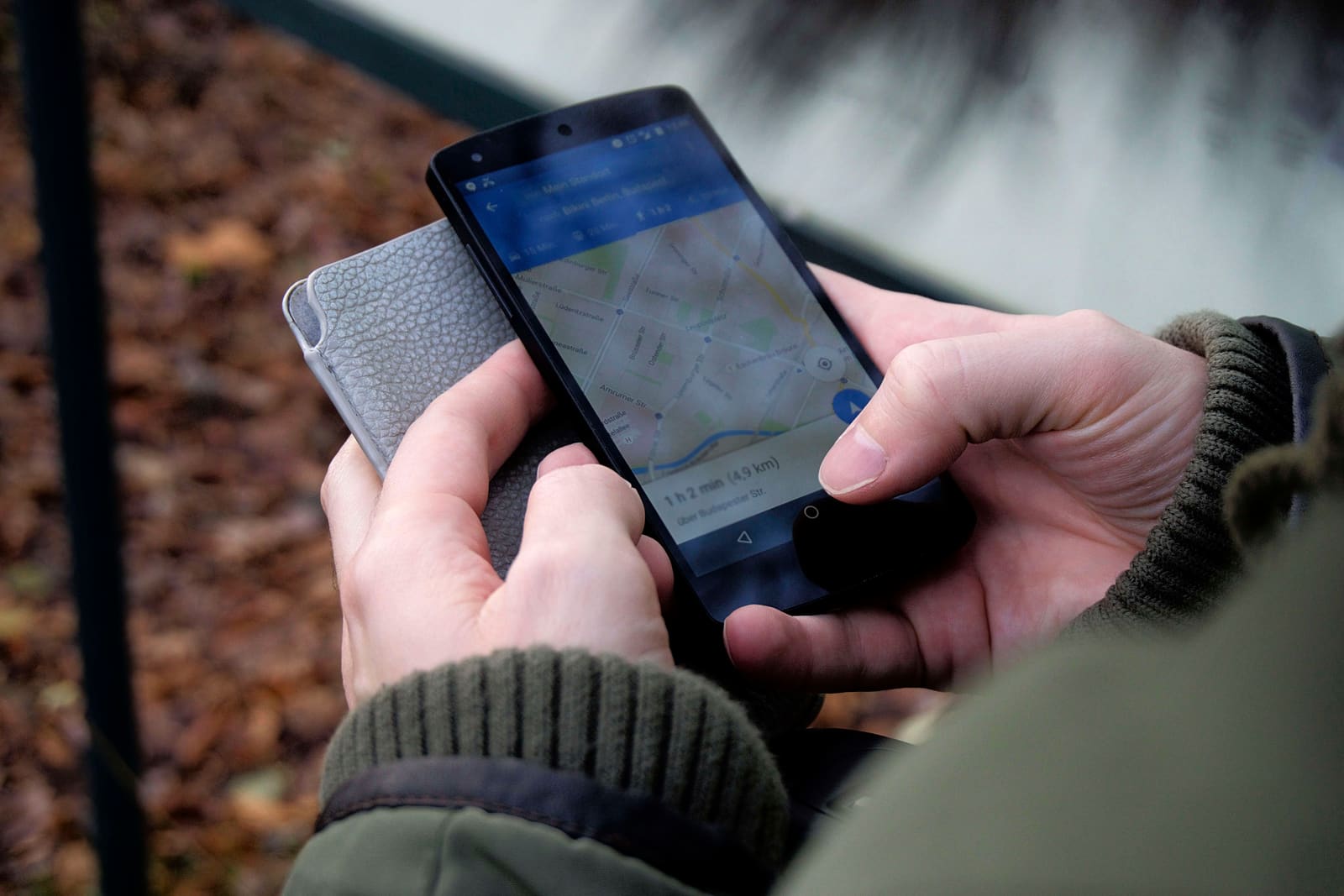
Once the system goes live, travellers will be able to connect their own devices to stream video, browse the web, or play online games at speeds comparable to ground-based broadband. The service will also support practical tasks such as checking flight status through the easyJet app, looking up weather forecasts, or researching public transport options at the destination before landing.
EasyJet has indicated that the technology could eventually allow passengers to order food and drinks from the onboard menu without flagging down cabin crew, though no timeline for that feature has been confirmed. The airline has not yet disclosed pricing, whether the service will be free or tiered, or which routes will receive the upgrade first.
Chasing Business Travellers
The decision reflects a broader recalibration of what budget carriers need to offer. EasyJet frames the investment as a way to improve the experience for leisure passengers while also appealing to business travellers, a segment that increasingly expects to remain productive in the air. According to Kenton Jarvis, the airline's chief executive, staying connected matters to a wide range of customers, from holidaymakers seeking entertainment to corporate passengers tracking developments on the ground.
The timing is notable. Remote work and flexible schedules have blurred the line between business and leisure travel, and many passengers now expect seamless connectivity regardless of ticket class. For easyJet, adding Wi-Fi removes a disadvantage it has long held against full-service competitors on the same routes.
The Starlink Advantage
EasyJet will use Starlink, the satellite internet service operated by SpaceX. Unlike older in-flight systems that rely on geostationary satellites positioned far above the Earth, Starlink uses a constellation of satellites in low Earth orbit, which reduces latency and increases speed. Gwynne Shotwell, SpaceX's president and chief operating officer, said the system would deliver fast and reliable connectivity from take-off to landing, allowing passengers to work, stream, or stay in touch without interruption.
The technology has been gaining traction quickly. In Europe, Air France, British Airways, Scandinavian Airlines, Virgin Atlantic, and the entire Lufthansa Group have all signed agreements to install Starlink. Qatar Airways and Emirates have done the same. In the United States, United, Alaska, American, and Southwest Airlines already offer the service. Among low-cost carriers closer to easyJet's own market, airBaltic and Wizz Air have also begun rolling out the system.
A New Baseline for Short-Haul Flying
The spread of high-speed Wi-Fi across budget airlines suggests that connectivity is no longer a premium feature reserved for long-haul or business-class cabins. It is becoming a standard expectation, even on flights that last less than two hours and cost less than a train ticket.
For easyJet, the shift is a calculated bet that the cost of installation and operation will be offset by higher customer satisfaction and, potentially, increased revenue from business passengers willing to pay for flexibility. Whether the airline charges for access or bundles it into ticket prices will say a lot about how it sees the competitive landscape in 2027.
The rollout will be watched closely by other carriers still weighing the trade-off between cost and customer demand. If easyJet's experience proves that Wi-Fi pays for itself on short, high-frequency routes, expect the handful of holdouts to follow quickly.