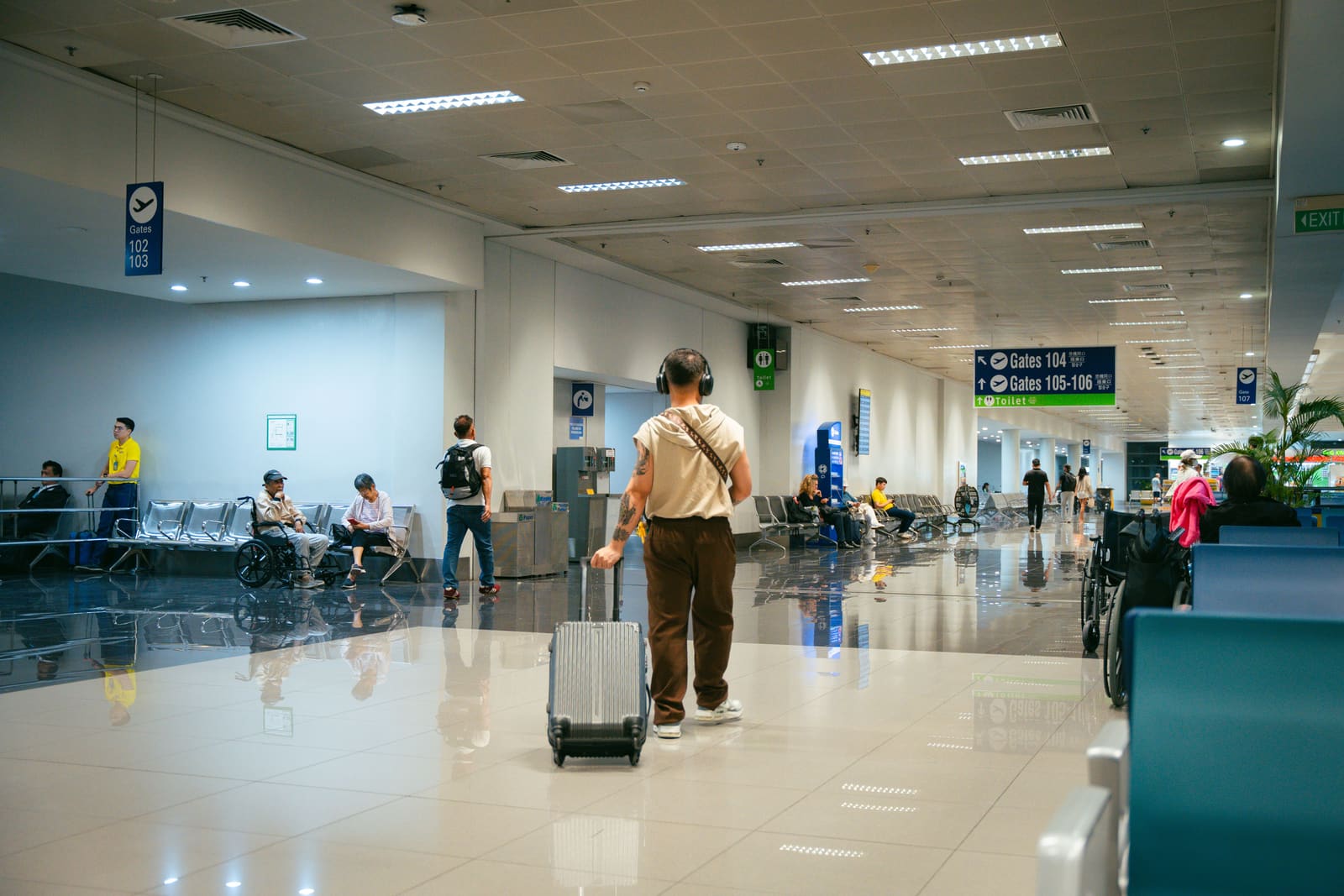
The New Rule
Starting 10 November 2026, Ryanair will close airport bag drop services 60 minutes before scheduled departure, instead of the current 40-minute window. The change applies across all airports the carrier serves and means passengers checking luggage must arrive 20 minutes earlier than they have in the past.
The adjustment was first announced in April 2026, giving travellers six months' notice. According to Ryanair, the shift is designed to give passengers more time to clear security and passport control queues, particularly during busy travel periods, before boarding begins.
Whether passengers will welcome the change is another matter. The new cut-off adds another layer of time pressure to the airport experience, and for those already juggling tight schedules or dealing with transport delays, those 20 minutes can make a difference.
Who It Actually Affects
Ryanair has been quick to point out that only 20 per cent of its passengers check luggage. The remaining 80 per cent travel with cabin bags only and will not be affected by the new rule. Those passengers can still check in online and head straight to security without worrying about the earlier cut-off.
That majority travelling light may explain why the carrier feels comfortable tightening the window. For a business model built on speed and efficiency, reducing the number of passengers queuing at bag drop desks closer to departure time helps keep operations running smoothly.
But for the one in five who do check a bag, the new rule means recalculating travel plans, especially on early morning flights or when relying on public transport to reach the airport.
Fuel Costs and Lighter Loads
The policy change arrives at a moment when fuel prices are climbing sharply. A blockade of the Strait of Hormuz linked to the ongoing conflict involving the United States, Israel and Iran has disrupted global oil supply chains, sending aviation fuel costs higher.
Ryanair's CEO, Michael O'Leary, warned at a press conference in Brussels earlier this month that many carriers had failed to hedge their fuel positions adequately. Combined with a wave of mergers, takeovers and bankruptcies across the industry, he said airfares could rise by as much as 20 per cent over the next year.
Against that backdrop, any measure that encourages passengers to fly without checked luggage also reduces aircraft weight, which in turn cuts fuel burn. Whether that consideration played a role in the timing of the bag drop change is unclear, but the alignment is hard to ignore.
Security Delays and the EES Factor
Ryanair's stated reason for the change centres on giving passengers more time to navigate airport processes. That concern is not unfounded. Europe's aviation sector has been grappling with delays tied to the rollout of the European Union's Entry/Exit System, which replaces manual passport checks with biometric registration.
The system has caused bottlenecks at major hubs and drawn criticism for inconsistent implementation across member states. For passengers, that has meant longer queues at border control, particularly during peak travel periods.
Closing bag drop earlier gives those who check luggage a buffer to absorb those delays without missing their flight. It also shifts the risk away from the airline, which can point to the earlier cut-off as a reason passengers should have allowed more time.
What Passengers Should Know
The 60-minute rule applies universally across Ryanair's network, so passengers should factor it into their planning regardless of the airport or route. For those who prefer to check a bag, that means arriving at least 90 minutes before departure to allow time for check-in, security and any unexpected hold-ups.
Passengers who travel with cabin baggage only remain unaffected and can continue to check in online and proceed directly to security. For them, the new rule changes nothing.
But for anyone on the fence about whether to check a bag or squeeze everything into a carry-on, the tighter window may tip the balance. And that, perhaps, is part of the point.