Queues Stretching to the Metro
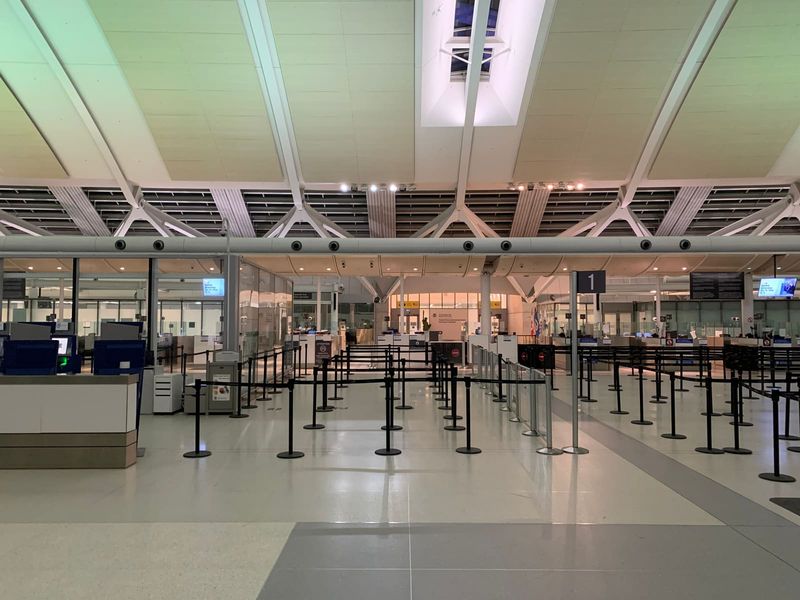
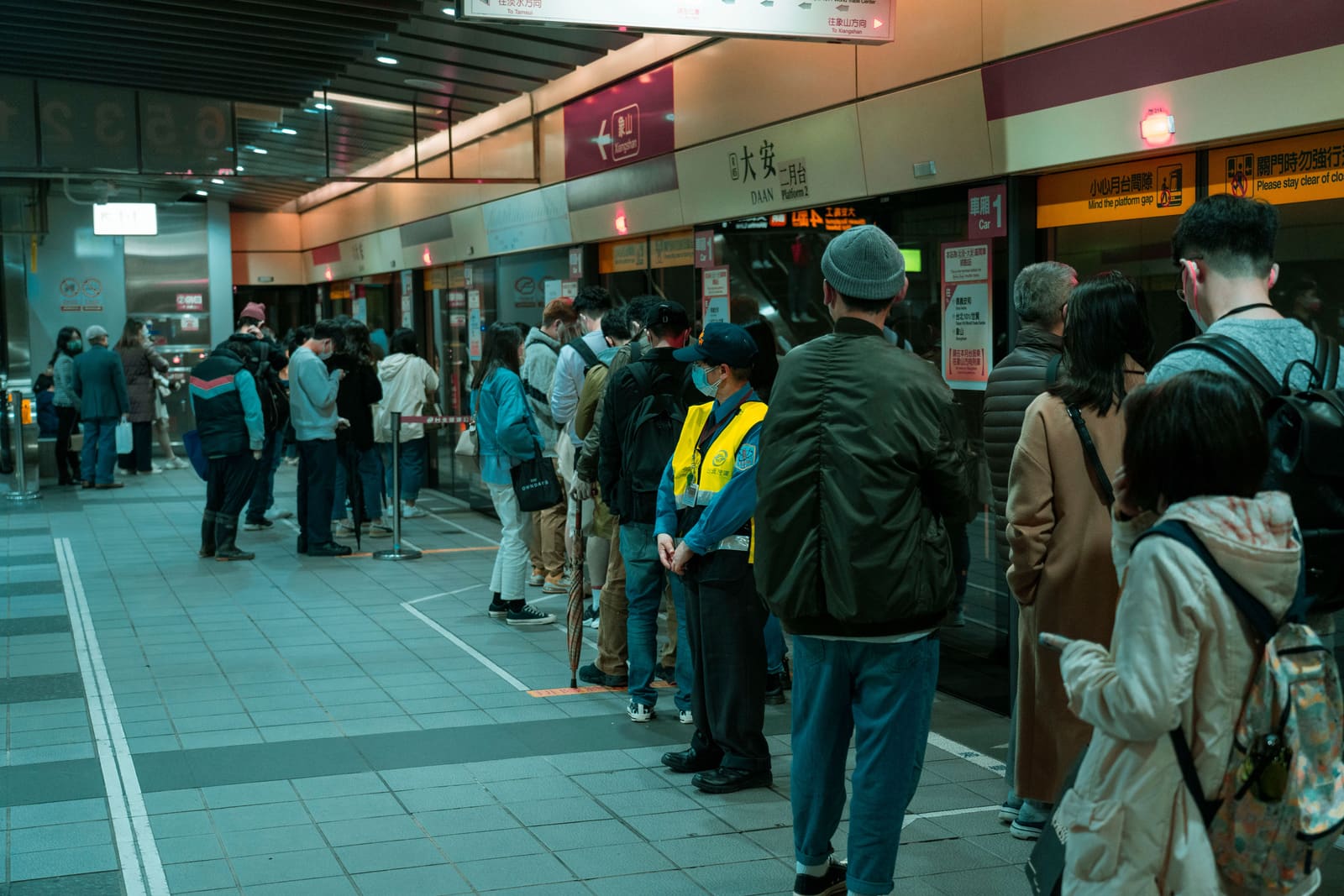
Copenhagen Airport has been struggling with severe passenger congestion since Thursday, 22 October, after Denmark's Civil Aviation and Railway Authority introduced tighter screening requirements with little advance notice. By Friday morning, queues snaked all the way back to the airport's metro station entrance, and wait times at security checkpoints climbed to 45 minutes or more.
Norwegian, Norway's largest low-cost carrier, said roughly 200 passengers failed to board their scheduled flights on Thursday alone because they could not clear security in time. SAS, the flag carrier jointly owned by Denmark, Norway and Sweden, reported it had rebooked 352 travellers onto the earliest available departures by Friday morning. Both airlines cited the abrupt procedural changes as the cause.
The Civil Aviation and Railway Authority has not publicly explained what shortcomings it identified in the previous screening process, nor has it specified which aspects of security needed strengthening. That silence has left airlines and passengers unclear about how long the disruption will last.
Autumn Holiday Timing Amplifies the Problem
The timing of the rule change proved particularly unfortunate. Lise Agerley Kurstein, communications director at Copenhagen Airport, pointed out that the new procedures took effect during Europe's autumn school holiday period, when Swedish families in particular travel in large numbers as their break begins. The airport serves as a major hub for Scandinavian travellers, and October half-term weeks typically see a sharp uptick in passenger volume.
The collision of higher seasonal demand with slower processing created a compounding effect. Even a modest increase in per-passenger screening time can trigger cascading delays when throughput falls below the rate at which people arrive. Airport officials convened an emergency meeting to discuss mitigation measures, according to Swedish broadcaster SVT Nyheter Skåne, but by the time of reporting, no concrete timeline for relief had emerged. The airport warned that disruption could persist into "early" next week.
Guidance and Passenger Response
Copenhagen Airport has updated its website to advise travellers to arrive two hours before departure for intra-Schengen flights and three hours for destinations outside the Schengen zone. That represents a marked increase from the usual one-and-a-half-hour recommendation for short-haul European routes. The airport also urged passengers to check real-time updates from their airline and the airport's own channels before leaving home.
Social media posts from stranded travellers painted a picture of confusion and frustration. One passenger reported standing in the queue for 90 minutes without reaching the security checkpoint, describing the scene as chaotic and noting a lack of clear information from staff. Real-time queue-monitoring services recorded average security wait times climbing 29 minutes above the typical 16-minute baseline, with the trend continuing to rise throughout Thursday evening.
Airlines have been managing the backlog by rebooking affected passengers, but the knock-on effects ripple outward. Missed connections, disrupted itineraries and the administrative burden of re-accommodating hundreds of travellers strain operations even after the immediate queue clears.
The Broader Context of European Border Technology
Copenhagen's troubles arrive against the backdrop of the European Union's rollout of its Entry/Exit System, a biometric registration scheme that affects all non-EU and non-Schengen nationals entering or leaving the Schengen Area. British citizens, among others, must now register passport details, fingerprints, facial images and trip information when crossing the border. First-time registrations have taken far longer than planners anticipated, creating bottlenecks at airports and land crossings across the bloc.
Implementation of the EES has been uneven. Some border checkpoints suspended registration temporarily to prevent passenger flow from grinding to a halt. Travel industry groups have called for coordinated action to smooth the transition and protect both travellers and the sector's operational stability. While Copenhagen Airport is rolling out the EES alongside other EU entry points, it remains unclear whether the current security delays stem from EES integration, from separate Danish regulatory requirements, or from a combination of both.
The lack of transparency from the Civil Aviation and Railway Authority makes it difficult to assess whether the new measures represent a permanent shift in baseline security or a temporary adjustment tied to a specific threat assessment. Without that clarity, airlines and airport operators cannot accurately forecast when normal processing speeds will resume.
What Travellers Can Do
For anyone booked to fly through Copenhagen in the coming days, the immediate advice is straightforward but inconvenient. Build in significantly more time than usual, monitor airline communications closely, and be prepared for the possibility of missed connections if security queues remain long. Travellers on tight schedules or connecting itineraries face the highest risk.
The disruption also raises questions about coordination between regulatory authorities and airport operators. Introducing stricter screening during a known peak travel period, without a public explanation or a phase-in window, suggests a gap in communication or an urgent concern that overrode operational considerations. Either scenario leaves passengers bearing the cost in time, missed flights and rearranged plans.
As Copenhagen Airport works through the backlog and adjusts staffing and lane allocation, the hope is that wait times will gradually fall. But until the Civil Aviation and Railway Authority clarifies its requirements and the airport confirms it has met them, uncertainty will linger. For now, anyone passing through Copenhagen should treat the airport's three-hour recommendation not as a precaution but as a necessity.