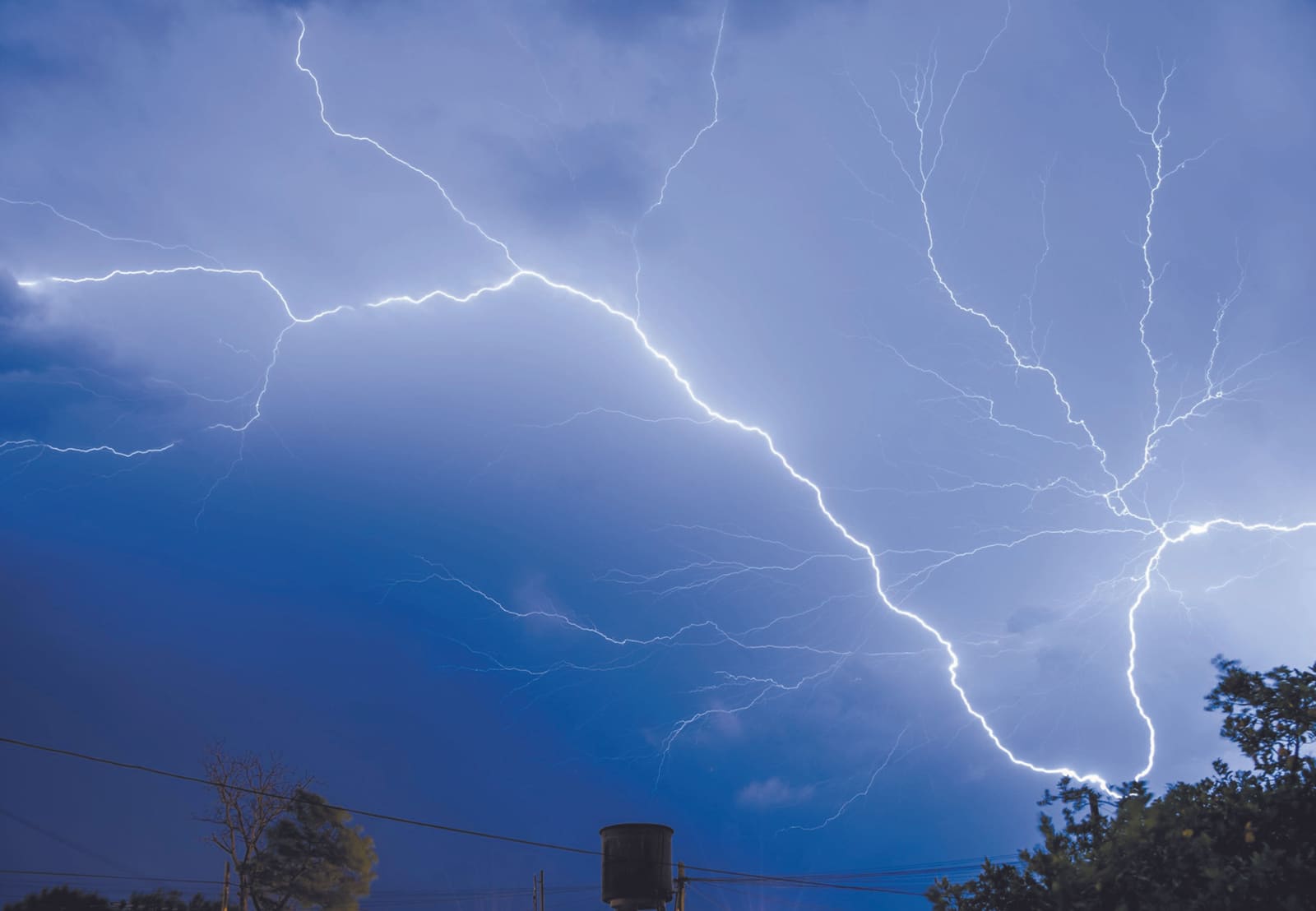
When Weather Wins
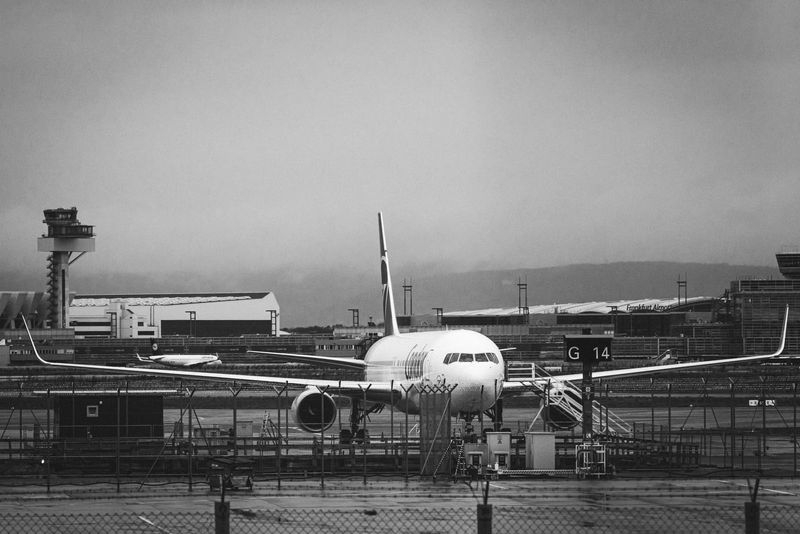
A Ryanair flight that left Dublin on Saturday night expecting a quick hop to England instead flew almost 1,000 miles south to Spain after Storm Boelo made landing impossible.
Flight FR2955 took off from Dublin Airport at 10.19pm, originally scheduled for Newquay Cornwall but rerouted mid-journey to Bristol. The Boeing 737-800 climbed to 27,000 feet and began its descent toward Bristol Airport. Then conditions on the ground deteriorated sharply. The pilot made one approach, assessed the situation, and pulled out.
What happened next was unusual even by storm-diversion standards. Instead of looping back to Dublin or trying a nearby alternate, the aircraft crossed the English Channel, flew over France, and continued south until it touched down at Alicante-Elche Airport on Spain's Mediterranean coast at 1.16am Sunday. The journey took roughly three hours, double the typical Dublin-Bristol flight time.
Ryanair confirmed the diversion was due to high winds. Passengers stayed onboard while the crew waited for a departure slot, but as Storm Boelo intensified, the decision was made to return to Alicante rather than attempt another UK landing. The airline provided overnight accommodation and rebooked affected travellers onto the next available flight.
Storm Boelo's Broader Disruption
The same storm forced dozens of cancellations at Heathrow and Gatwick on Sunday. British Airways axed flights to Edinburgh, Paris, Rome, and Aberdeen. Easyjet grounded services to Amsterdam and Jersey. Lufthansa, Air France, Aer Lingus, and Vueling all pulled flights. Emirates and Riyadh Air cancelled long-haul departures.
Gusts reached 84 miles per hour across parts of the UK over the weekend. In Scotland, falling trees closed major roads and railway sections. Two people were killed by falling trees, and hundreds of thousands of homes lost power. A Met Office amber warning for wind remained active for Scotland and much of northern England until Monday evening.
Storm Boelo formed shortly after Storm Austen, the season's first named storm, dissipated in the south-west. The rapid succession left airports and passengers scrambling.
The Calculus of Diversion
Pilots weigh several factors when deciding where to divert: fuel reserves, airport operating hours, ground-handling capacity, and weather forecasts. In Storm Boelo's case, returning to Dublin or trying another UK airport may have meant facing similar wind conditions or risking further delays with no guarantee of a landing slot.
Alicante offered clear skies, available gates, and the infrastructure to handle an unexpected arrival in the middle of the night. For passengers, the outcome was disorienting but ultimately safer than circling in high winds or attempting a risky approach.
Diversions of this distance are rare but not unprecedented. In severe weather, airlines sometimes route aircraft hundreds of miles off course to avoid dangerous conditions, prioritising crew duty limits, fuel, and passenger welfare over geographical convenience.
What Passengers Can Expect
Under UK regulations, passengers on flights disrupted by weather are entitled to care and assistance, including meals, accommodation, and rebooking. Weather-related cancellations and diversions do not typically trigger compensation, as they fall under extraordinary circumstances beyond the airline's control.
Ryanair said it communicated with passengers via email and push notifications, and that ground staff in Alicante kept travellers informed. The airline's handling of this particular diversion appears to have followed standard protocols, though passengers likely faced a long night and a delayed arrival home.
Storm season in the UK typically runs from September through March, with peak activity in autumn and winter. Travellers flying during this period should check flight status before heading to the airport and allow extra time for potential delays or cancellations. Travel insurance that covers weather-related disruptions can ease the financial burden of unexpected hotel stays or rebooking fees.
For now, Storm Boelo has passed, but the incident serves as a reminder that even short domestic flights can turn into long detours when the weather refuses to cooperate.