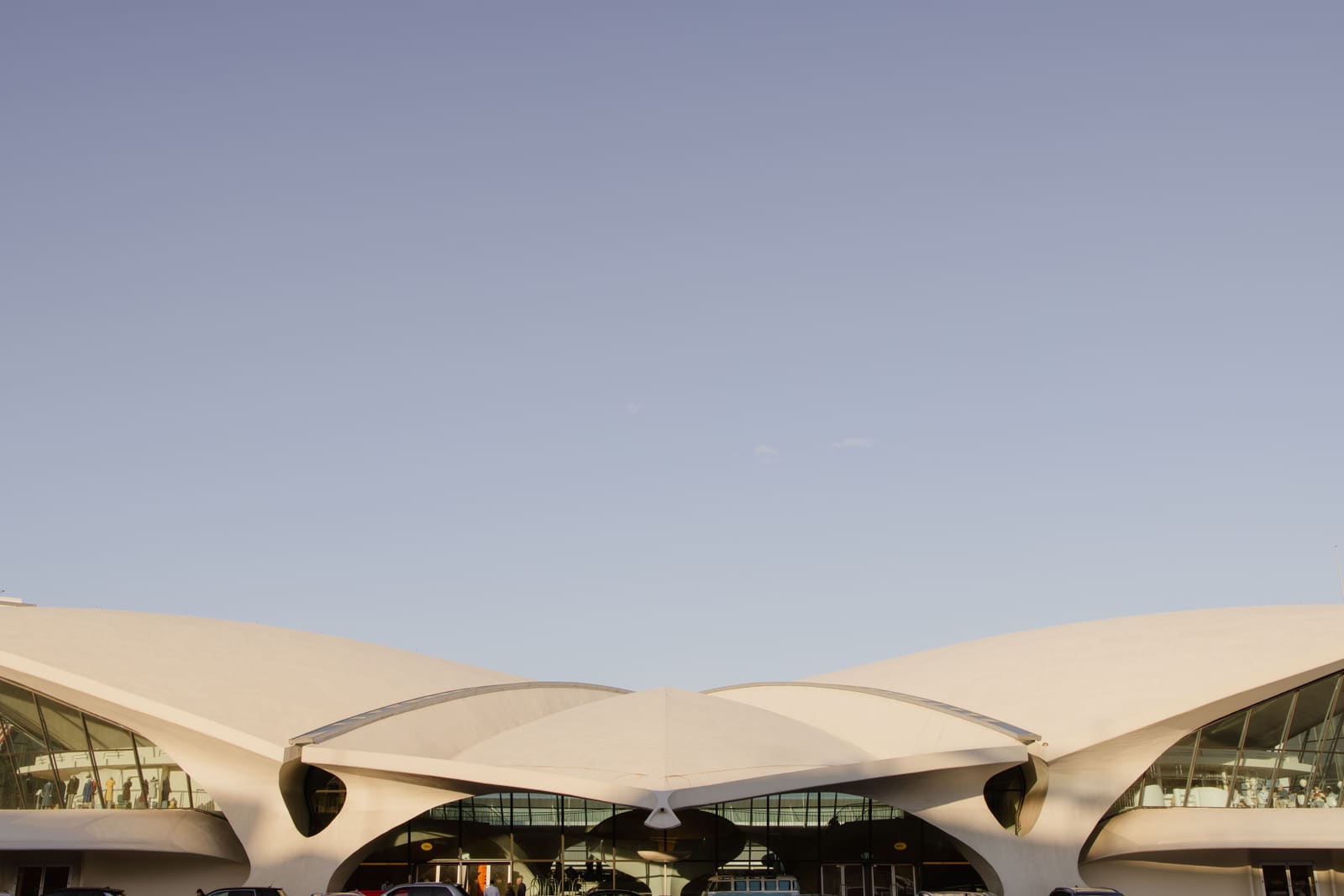
A Capital Gateway and a Scatter of Regional Strips
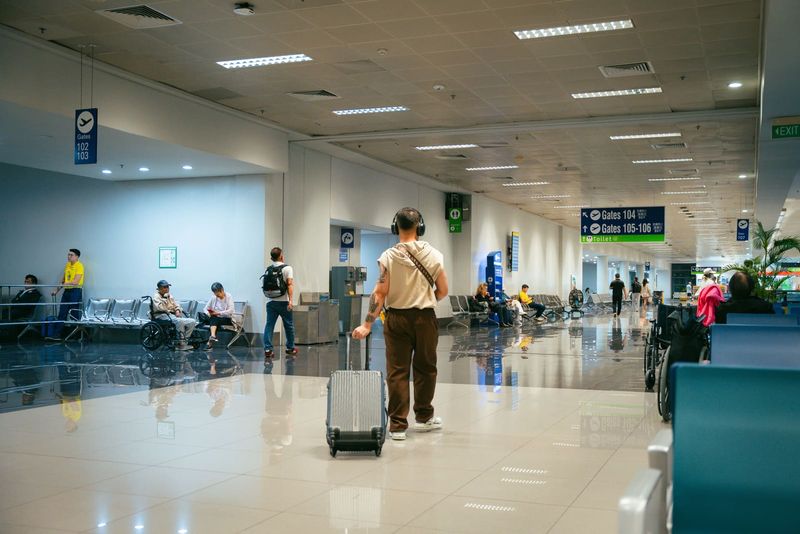
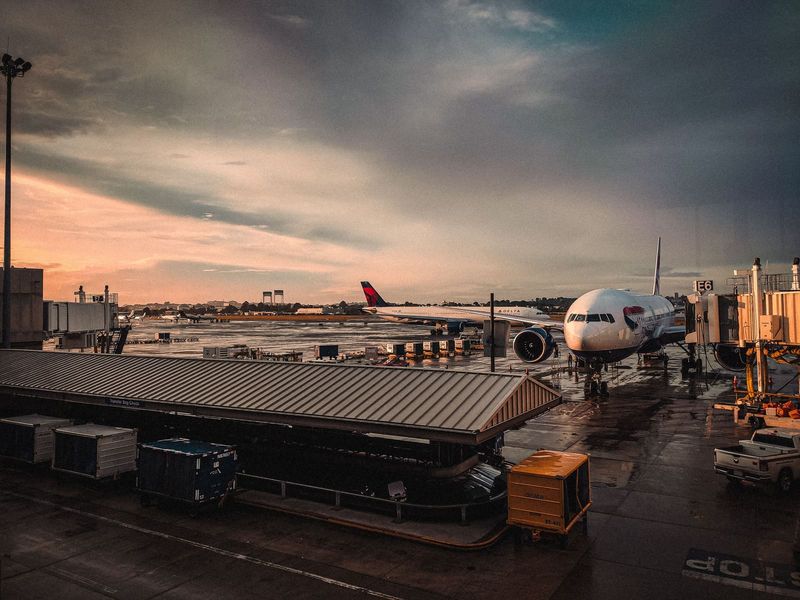
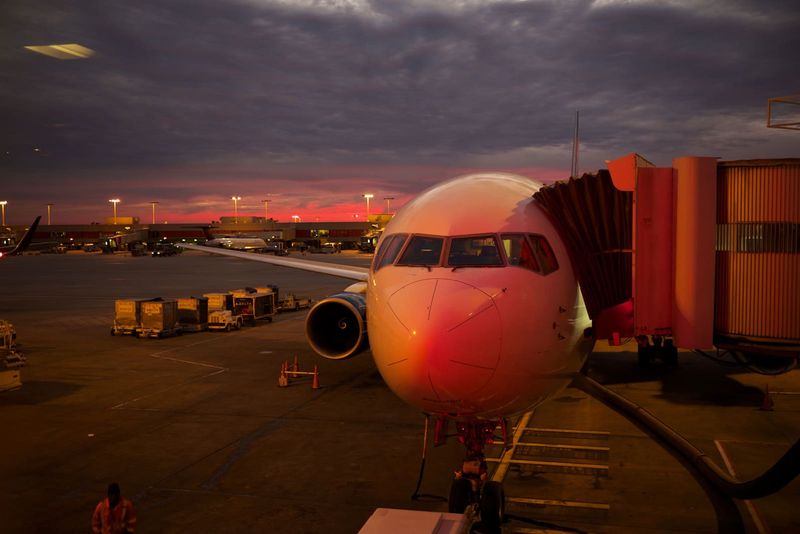
Kazakhstan intends to start building a new airport for Astana next year, according to President Kassym-Jomart Tokayev's annual address delivered on 28 October. The project will involve an unnamed international partner, though no timeline for completion, capacity figures or budget details have been released.
The announcement sits within a much broader infrastructure programme backed by roughly 6.5 trillion tenge from the National Fund through the end of 2029. The scale is ambitious: Tokayev described it as the largest construction effort in the country's history and proposed naming 2027 the Year of Nationwide Large-Scale Construction.
Aviation is only one strand. The programme encompasses roads, rail freight corridors, utilities, hospitals, schools and public facilities. Yet for a country that welcomed 15.7 million foreign visits in 2025 and attracted more than 1.3 trillion tenge in tourism investment, the transport pieces matter. Visitors need functioning roads, open border crossings and airports that connect to something beyond the main hubs.
Smaller Airports, Bigger Questions
Alongside the Astana project, Tokayev said Arkalyk Airport has finished restoration work. Three others - Zaysan, Katon-Karagay and Kenderli - are due to open soon, though exact dates were not specified.
On paper, these regional facilities broaden access beyond Almaty and the capital. In practice, their usefulness depends on which airlines decide to serve them, how often, and whether there are roads, accommodation and visitor facilities worth reaching once you land. An operational runway is only the first part of the equation.
Kazakhstan's tourism strategy already includes ecotourism, gastronomy, equestrian routes and self-drive itineraries. All require reliable ground transport. The address, however, did not carve out separate tourism funding within the nationwide construction programme, leaving it unclear how much will flow directly to visitor-facing projects.
Roads, Borders and the Reality of Distance
Tokayev was blunt about road conditions. He criticised delays, unclear responsibilities and poor roadside services, then shifted oversight for both national and local roads to the Ministry of Transport. Reconstruction work at road border crossings must finish in 2027, according to the directive.
The geography makes this more than a bureaucratic shuffle. Kazakhstan spans 2.7 million square kilometres. Reaching mountain valleys, steppe reserves or heritage sites often means hours on asphalt of variable quality, with few services in between. Better surfaces and faster crossings would ease journeys for domestic travellers, international tourists and the operators who guide them.
The broader "People's Construction" initiative is aimed first at residents: water supply, utilities, public spaces. Yet the same infrastructure underpins tourism. Destinations need functioning sewage systems, reliable electricity and maintained public areas if they want to host visitors at scale. Tokayev set a goal of achieving sustained electricity surplus by 2029 through new generation capacity and grid upgrades.
Freight Corridors and the Middle Corridor Conversation
Rail freight featured prominently. The Bakhty-Ayagoz line is scheduled to open in 2027, adding 20 million tonnes of capacity on routes toward China. Tokayev called for Kazakhstan to become a logistics hub in practice, not just in promotional material, and pointed to the Aral-Caspian transport corridor, where construction began in August.
These are cargo projects. Their relevance to travel lies in the commercial ties, investment flows and professional exchanges they can sustain. During the Belgian state visit in mid-October, King Philippe and Queen Mathilde discussed the Trans-Caspian International Transport Route, also known as the Middle Corridor, and explored ways to link it more tightly with European ports. Cooperation between Antwerp-Bruges and Kazakhstan's Caspian ports of Aktau and Kuryk was on the agenda.
Freight corridors do not move tourists directly. But they can draw investment, build relationships with foreign partners and create the financial momentum that spills into other sectors, including hospitality.
Investment Climate and the Fine Print
Tokayev also outlined plans for an Investment Court in Alatau modelled on English common law, floated a three-year moratorium on inspections of micro and small businesses starting in January 2027, and acknowledged persistent inflation. He called for targeted tax changes to ease pressure on businesses.
These measures could matter to hotel developers, tour operators and small accommodation providers. The practical impact will depend on legislation that has not yet been drafted and implementation that has not yet been tested.
What Happens Next
The address sets a direction. Whether it translates into easier journeys, dependable services and genuine regional access remains an open question. Kazakhstan recorded 232,000 accommodation beds across 4,482 establishments in 2025, a sign of growing capacity. But capacity needs connectivity.
The Astana airport project will take years. Regional airports may open but struggle to attract regular service. Roads may improve, or funding may stall. The programme is large, the timeline is tight, and the country's tourism ambitions depend on execution, not announcements.
For now, the plan is public. The infrastructure is not yet built.