Seven Hours to Pack a Life
The loudspeaker crackled with an announcement no one expected. Passengers aboard the Villa Vie Odyssey had until 2pm to gather their belongings and disembark. After nearly two years circling the globe, their floating home was going no further than a port in Cambodia.
Kit Cassingham and her husband Randy had turned their cabin into something resembling a proper residence, with their own carpets and framed photographs. Now they had less than a working day to dismantle it all. Around them, fellow residents cycled through shock, anger, and tears.
The Odyssey had promised something unusual: a continuous voyage with no fixed end date. For $319,998, a couple could purchase a cabin and sail indefinitely, or opt for a four-year package that happened to align neatly with a US presidential term. Monthly fees covered meals, drinks, internet access, and housekeeping. The ship would visit ports worldwide whilst providing a buffer from terrestrial concerns.
Villa Vie Residences, the Florida company behind the venture, had marketed the converted vessel as an accessible entry point into residential cruising. Far cheaper than MS The World, where apartments sell for millions and residents vote on itineraries, the Odyssey attracted retirees and remote workers seeking a different kind of life.
A Business Model Built on Stable Seas
The ship itself had history. Previously operating as MS Braemar under Fred Olsen Cruises, it had been turned away from Caribbean ports during the early pandemic after illness spread among passengers. Cuba eventually allowed it to dock. The vessel never sailed under that name again. Villa Vie purchased and refitted the thirty-year-old ship, renaming it and launching operations in October 2024 from Belfast.
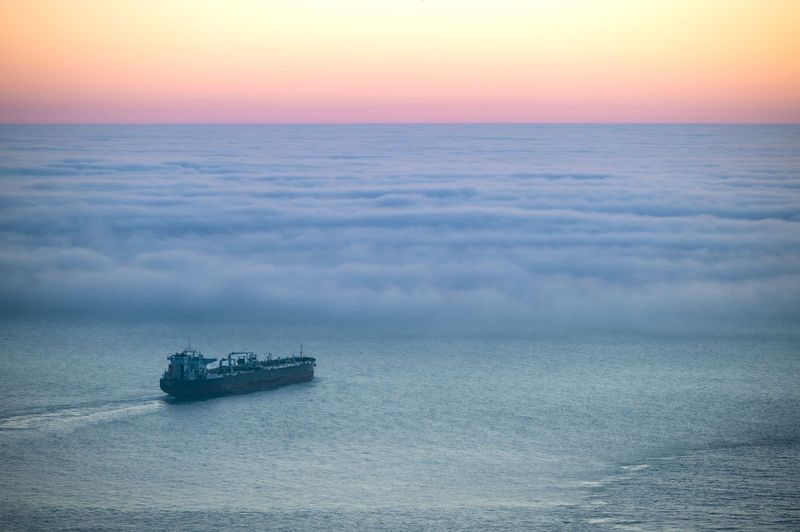
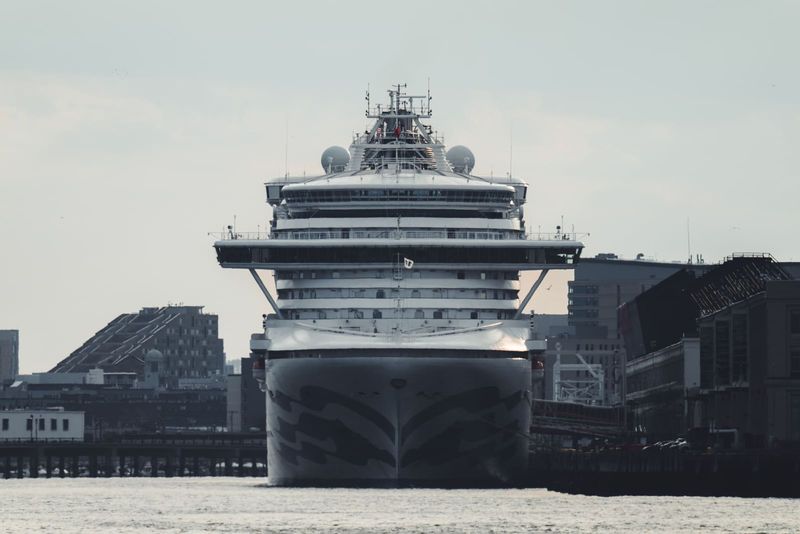
At 196 metres, the Odyssey was modest by cruise industry standards. It carried just over 200 passengers and 156 crew members from various countries, including a doctor and two nurses. Some residents, like Holly Hennessy, had brought pets. Others, including Lanette Canen and Johan Bodin, documented their days at sea on YouTube.
The financial model depended on predictable operating costs. Monthly fuel expenses per cabin hovered around $1,800 in the ship's early months. Then conflict erupted in Iran in late February, and oil markets convulsed. By the time the Odyssey reached Asian waters, fuel costs per cabin had climbed to $8,000 per month, according to Villa Vie Residences.
The company attempted to adapt. It slowed the itinerary, extended port stays, and cut consumption wherever possible. None of it was enough. On a Tuesday in late October, Villa Vie announced it could no longer absorb the losses. Operations would cease. Passengers had seven hours.
Unravelling at the Edges
The signs had been accumulating for weeks, residents said. Meal quality declined. Portions shrank. Shore excursions became less frequent. Bodin, who described himself as relentlessly optimistic, told his YouTube followers he had felt drained for two months.
On the final night, passengers gathered in the ship's lounge as rumours circulated. Staff requested that each resident contribute $1,800 to secure enough fuel to reach Bangkok. The money was collected. The ship stayed put.
Rina Cavazza, a pilates instructor from Brisbane, had anticipated worst-case scenarios but thought they would remain hypothetical. Sherrie Cornett later wrote on social media that passengers were deposited in the middle of Sihanoukville with no assistance beyond the announcement itself.
Villa Vie offered no immediate financial support or accommodation recommendations, passengers reported. The company later arranged a charter flight to the United States, though many residents had already made their own plans. Randy and Kit Cassingham checked into a hotel and began working out next steps.
Randy had seen the problem coming. The Odyssey consumed fuel by the metric tonne, he noted, purchasing 150 tonnes at a time. A full tank cost roughly $800,000 at elevated prices. Whilst docked in Singapore months earlier, passengers had already been told the company lacked funds to continue. Several residents contributed their own money to keep the ship moving. Before disembarking in Cambodia, passengers passed around a collection jar for the crew, who were also left stranded.
A Narrow Market with Narrow Margins
Residential cruising occupies a tiny niche within the broader industry. MS The World remains the only purpose-built residential ship in continuous operation. A few other ventures have tried to launch, but the economics are notoriously difficult.
In 2023, Miray Cruises cancelled a three-year voyage weeks before departure despite fares starting at $30,000 per person annually. The sums did not work. To survive volatile markets, residential ships must charge enough to cover unpredictable costs, which in turn demands a level of luxury that justifies the price. MS The World was designed from the keel up with larger cabins and higher specifications. The Odyssey was a converted cruise liner trying to compete in a different category.
Andrew Coggins, an industry analyst, noted that traditional cruising has boomed since the pandemic ended. Global passenger numbers hit 37.2 million in 2025, a record driven partly by pent-up demand and partly by the value proposition: multiple destinations, meals included, and relatively straightforward logistics. Residential ships face a different calculus. They cannot rely on high passenger turnover or short-term bookings to smooth out cost fluctuations.
Mikael Petterson, who founded Villa Vie Residences in 2023, acknowledged earlier in the week that he had become the story's antagonist. He insisted he was doing everything possible for stranded passengers and argued that the venture would have succeeded without the Iran conflict. No one has made residential cruising work long-term, he said, but Villa Vie had lasted longer than most.
Landing on Their Feet
Randy Cassingham has been posting updates from Cambodia, documenting the aftermath without self-pity. He and Kit are clear-eyed about their situation. They know others are struggling to afford fuel and groceries. They consider themselves fortunate and expect to manage.
Kit, who works as a transformation coach, framed the experience as a lesson rather than a tragedy. Dreams are worth pursuing, she said, even when they end unexpectedly. The couple had spent two years at sea, visited ports they might never have seen otherwise, and built a temporary community with fellow passengers. The ending was abrupt, but the voyage itself had been real.
The crew remains in Cambodia, awaiting clarity on their own futures. Villa Vie Residences has said it will evaluate restructuring and recapitalisation options over the next 60 days. Passengers are working out what comes next, whether that means returning home, travelling onward independently, or waiting to see if the company can salvage anything from the collapse.
The Odyssey itself sits idle at Sihanoukville port, a 196-metre reminder that even the most carefully planned escape from the world's volatility can be undone by the very forces it sought to avoid. Fuel prices, driven by geopolitical events half a world away, proved more decisive than any itinerary. For the residents who had hoped to sail indefinitely, the dream lasted just under two years before running aground on economics no one had fully anticipated.