The Pull of the Traditional Inn
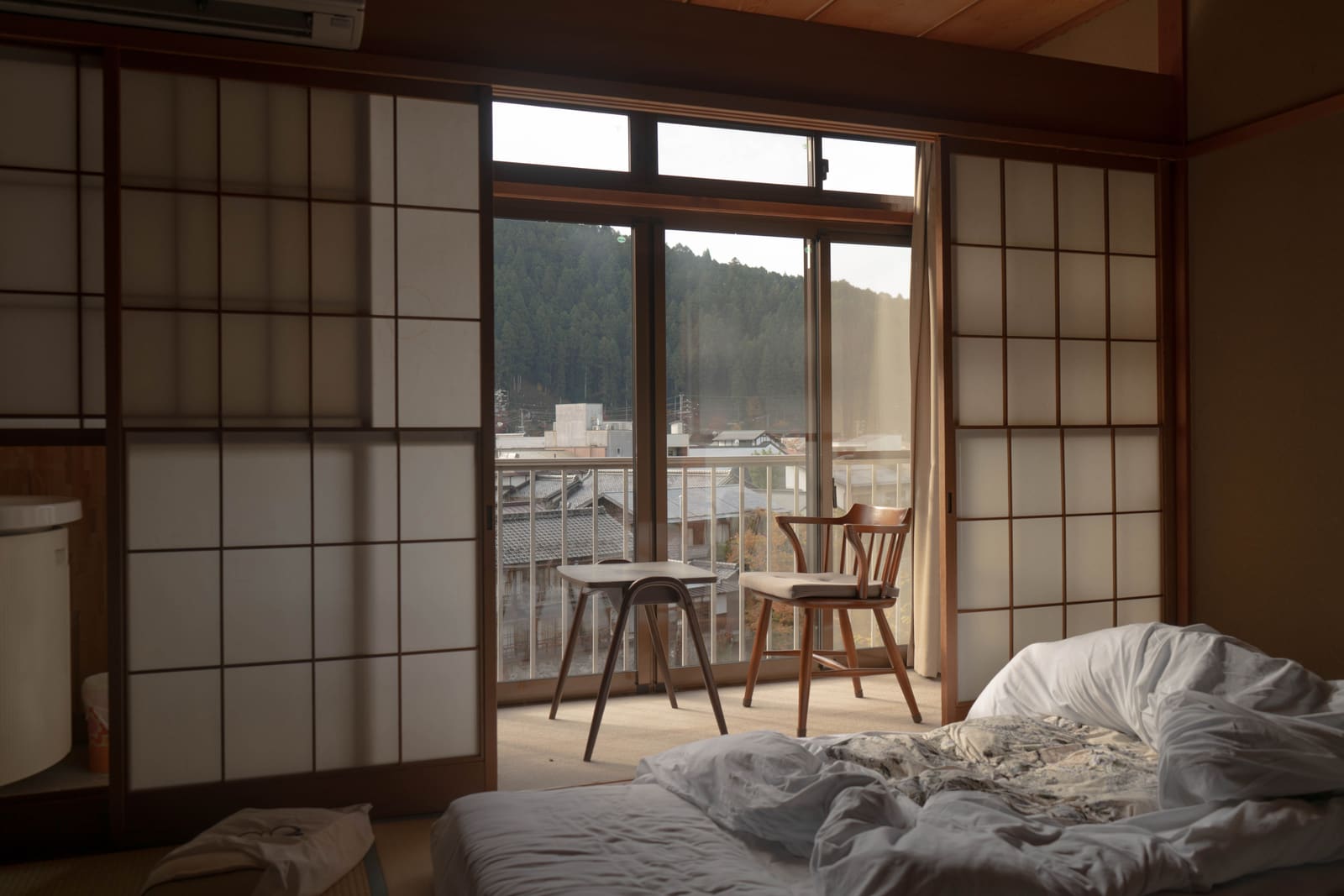
Japanese ryokan have served travellers for centuries, built around a simple promise: warm hospitality, home-cooked meals, and communal bathing in natural hot springs. The format has remained largely unchanged, with guests sleeping on tatami mats, dining on cushioned floors, and moving through spaces divided by sliding paper screens called shoji doors.
Yet the model is quietly evolving. A growing number of properties now offer private baths instead of communal onsen, raised beds rather than floor futons, and entire-property rentals for groups who want privacy alongside tradition. The shift reflects both changing expectations and a desire to spread visitors beyond Japan's overtouristed cities. Many of these renovated inns sit in rural valleys, mountain villages, and quieter neighbourhoods, offering an entry point into Japanese culture that doesn't involve queuing.
Countryside Farmhouses With Modern Plumbing
In the Wakayama mountains, a 120-year-old farmhouse called Ryunohara Hatago has been restored along the Hidakagawa River. The property features open-air iron tubs called goemonburo, heated by wood fires and filled with water from the local Ryujin Onsen. Cedar floors and traditional tatami rooms remain intact, but the kitchen now comes fully stocked with local seasonings, and the shed holds paddleboards for summer river swims and heated mattress pads for cold mountain nights. The property sleeps four and costs from around £290 per night.
Further east in Fujieda, Yui Valley occupies a century-old wooden farmhouse set between tea plantations and bamboo groves. The 85-square-metre space has been rebuilt using reclaimed materials, preserving tatami floors, shoji screens, and a small courtyard. A natural spring water bath looks out over the valley, and the host, Daisuke, offers bamboo weaving workshops. Hiking trails nearby provide views of Mount Fuji on clear days. The property sleeps six and costs from around £340 for two nights.
Urban Inns That Skip the Crowds
In Tokyo, Yuen Bettei Daita offers 35 suites designed to bring the aesthetic of countryside ryokan into the capital. Each room features tatami mats, low beds, and lightwood furniture. Some suites include private terraces with straw fencing and open-air tubs, an upgrade from the communal bathing typical of traditional inns. The hotel markets itself as a ryokan-inspired property rather than a strict example of the format, but the design details remain faithful to the original model. Rooms sleep two to three and start at around £299 per night.
In Kyoto, a restored machiya townhouse sits fifteen minutes on foot from Kyoto Station, near a neighbourhood temple. The two-storey property combines sliding doors and futon arrangements with semi-double beds and a deep soaking tub carved from Japanese cypress wood. The location provides access to Kyoto's temples and downtown district without placing guests in the densest tourist zones. The townhouse sleeps five and costs from around £200 per night.
Another Kyoto option, Konuka-Yakushi Temple, occupies a converted temple building with a grand roof and hanging scrolls at the entrance. Inside, the space includes five floor beds, a private toilet, and a small kitchenette, along with laundry and luggage storage services. A quiet garden area with bamboo benches sits outside. The property sleeps five and costs from around £481 per night.
Family-Run Inns With Decades of Practice
In Matsuyama, Mitsuhama Ryokan is a 106-year-old family-run property overlooking moss gardens and koi ponds in the historic port town of Mitsuhama. The former kaiseki restaurant features decorative paulownia crest sliding doors, ochre walls, and a 16-metre wooden veranda. An open-air bath sits inside a restored white-earthen storehouse. The kitchen stocks fresh Ehime mandarin juice. The ryokan sleeps four and costs from around £140 per night.
In Yamanashi, Minshuku Aoiso has operated for over 45 years. The family-run property offers complimentary coffee and green tea in a shared lounge decorated with paintings and garments. Amenities include a microwave, toaster, and fridge, with communal bathrooms and a small onsen. Guest rooms contain three futon beds with floral bedspreads, two wooden chairs, and a large window positioned to frame Mount Fuji. The property sleeps three and costs from around £100 per night.
Entire Properties for Groups
In Hakone, a forest villa offers seven floor mattresses across two bedrooms for larger groups. The property sits in dense woodland, with paper doors opening onto views of the surrounding trees. A separate open-plan living area includes a leather sofa, marble coffee table, and tiled kitchenette, blending ryokan elements with Western furnishings. The villa sleeps seven and costs from around £281 per night.
What the Shift Means for Travellers
The expansion of ryokan-style accommodation into private rentals and boutique hotels reflects both demand and pragmatism. Travellers who want the experience without sharing bathing facilities now have options, while properties in rural areas benefit from visitors willing to venture beyond Tokyo, Kyoto, and Osaka.
The trade-off is subtle but present. Communal bathing and shared meals are central to the traditional ryokan experience, fostering a sense of connection between guests and hosts. Private rentals and boutique hotels offer comfort and flexibility but can feel more transactional. The question for travellers is whether they value immersion or independence more highly, and whether a renovated farmhouse with modern plumbing still counts as authentic when the original model was built around scarcity, not choice.