Abrupt End to a Floating Life
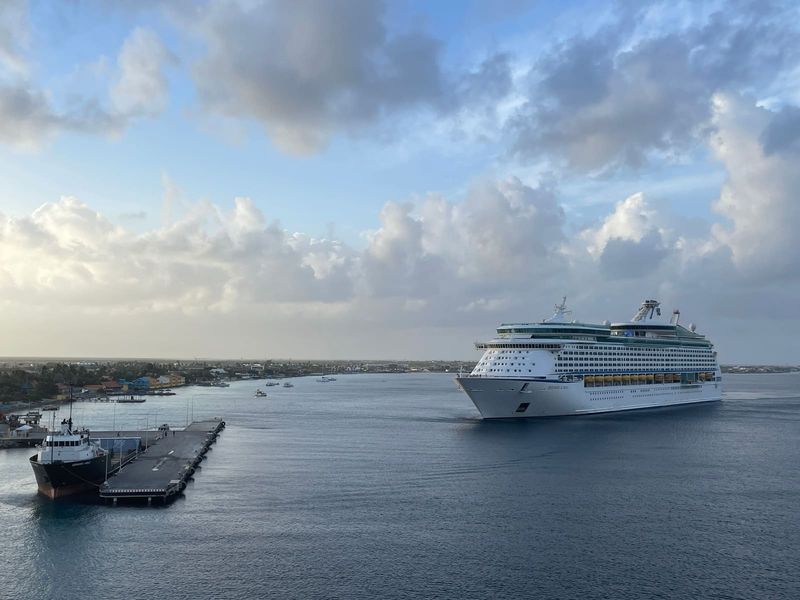
Passengers aboard Villa Vie Odyssey received a terse notice yesterday afternoon: leave the ship by 2pm. The residential cruise liner, which embarked on a perpetual world voyage in 2024, ordered all residents off the vessel while docked in Cambodia. Many had sold their homes to live permanently at sea.
The note, posted by passenger Randy Cassingham on his blog, cited an inability to secure fuel. Shuttles would remain available until 6pm the following day for those needing to collect belongings. Crew would stay aboard to maintain essential systems during what the company called a temporary layup.
Villa Vie Residences confirmed this morning it has suspended operations while evaluating restructuring options. The company said fuel costs in Asian waters have surged to between 6,000 and 8,000 US dollars per cabin per month, up from a historical average of roughly 1,800 dollars. That three- to fourfold increase, the company stated, created an unsustainable shortfall it could not pass on to residents.
Blame and Context
Executive chairman Mikael Petterson attributed the spike to conflict that began in late February, referencing the Iran war. He said the company had already slowed the itinerary and increased port time to reduce consumption, but those measures proved insufficient to cover mounting losses.
Whether the fuel-cost explanation holds up to scrutiny is an open question. Bunkering markets have seen volatility, but a tripling of per-cabin expense in a matter of months suggests either unusually inefficient routing, a shift to higher-cost fuel grades, or financial strain that predates the fuel spike. The company has not released detailed consumption data or supplier contracts.
Villa Vie Residences said it is working with residents to arrange temporary accommodation, though it remains unclear what support that entails or who is covering the cost. The company has not announced refund terms or a timeline for resuming operations. It is evaluating restructuring and recapitalisation over the next sixty days, with no outcome assured.
A Troubled Launch
Villa Vie Odyssey's troubles began before it left port. The ship, designed for up to 970 passengers, suffered a four-month delay in October 2024 due to last-minute repairs. That delay set a difficult tone for a venture that asked passengers to commit upfront sums starting at 119,999 dollars, plus monthly fees reaching 5,000 dollars for full ownership.
Residential cruising appeals to a niche market: retirees and remote workers seeking low-hassle global mobility without the overhead of property ownership. The pitch is predictable monthly costs, curated itineraries, and a built-in community. But the model depends on tight operational margins and stable fuel prices. When either wobbles, the financial cushion evaporates quickly.
What Passengers Face Now
Disembarking in a foreign port with limited notice is logistically and emotionally fraught. Residents who liquidated assets to join the voyage now face the prospect of securing visas, temporary housing, and onward travel, all while their possessions remain aboard a ship in limbo.
Cambodia's visa-on-arrival policy for most nationalities offers some flexibility, but extended stays require additional paperwork and expense. Hotels in Sihanoukville, the likely port of call, cater primarily to short-term tourists, not displaced cruise passengers needing weeks or months of accommodation.
The company's statement acknowledges the disruption but offers little in the way of concrete assistance. Whether Villa Vie Residences will cover hotel costs, help arrange repatriation, or provide partial refunds remains unaddressed. Passengers are left to coordinate among themselves, sharing information through informal channels and online forums.
Industry Implications
Villa Vie's suspension underscores the fragility of the residential cruise model. Unlike traditional cruises, which sell discrete voyages and can adjust pricing or cancel sailings with some notice, residential operators sell long-term commitments. When costs spike, there is no easy way to rebalance the ledger without breaking promises to residents or burning through reserves.
Other operators in the space will be watching closely. The incident raises questions about financial reserves, fuel hedging, and contingency planning. It also highlights the risks passengers assume when they trade fixed assets for a floating lifestyle. The appeal of perpetual travel is real, but so is the exposure when a company's finances unravel.
Villa Vie Residences has sixty days to sort out its future. Whether it can secure new capital, renegotiate supplier terms, or restructure its way back to solvency is uncertain. For now, passengers are on land, waiting for answers that may not come.