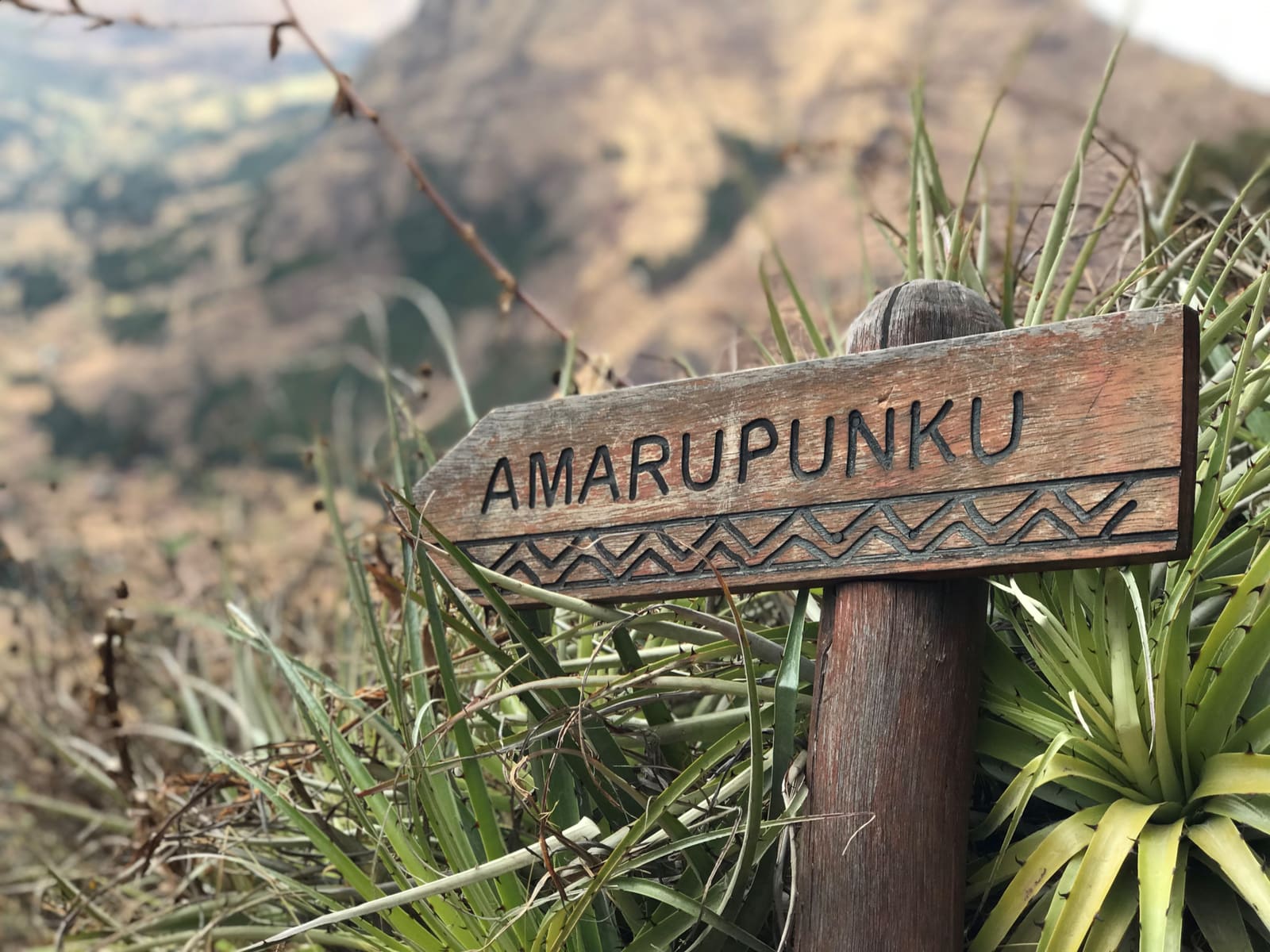
A Bridge Between Two Countries
AmaWaterways has added a five-night Peru extension to its Magdalena River cruises in Colombia, available from April 2027. Guests who complete the seven-night Magic of Colombia sailing, which runs from Barranquilla to Cartagena, can now continue to Lima for a structured tour that includes Machu Picchu, Cusco, and the Sacred Valley.
The extension represents the operator's first programme in Peru, according to AmaWaterways. It also reflects a broader industry pattern of pairing river cruises with overland travel, allowing operators to fill more nights and offer a single-invoice experience across multiple destinations.
What the Extension Includes
After disembarking in Cartagena, travellers fly to Lima. The itinerary begins with guided walks through Miraflores and Barranco, two neighbourhoods known for clifftop views and early twentieth-century architecture. From Lima, the group flies to Cusco, where the tour covers the city's colonial centre, the Koricancha temple site, and Sacsayhuaman, a stone fortress overlooking the valley.
The Machu Picchu visit takes place via either the Hiram Bingham train, operated by Belmond, or Inca Rail's first-class service. Both routes follow the Urubamba River through the Andes. A local guide accompanies the group at the Inca citadel.
Other stops include Ollantaytambo, a town with intact Inca terraces and water channels, the Maras salt pans, and Moray, an agricultural site built in concentric terraces. The tour is structured to move progressively higher in altitude, giving travellers time to acclimatise before reaching Machu Picchu, which sits at 2,430 metres.
Pricing and Positioning
The five-night extension costs £4,081 per person in the Boutique tier and £6,620 per person in the Luxury tier, according to AmaWaterways. The base Colombia cruise starts at £5,176 per person for a 15 May 2027 departure. Together, the combined package runs from £9,257 to £11,796 per person, depending on the tier selected.
That places the offering in the upper segment of river cruise pricing, though it bundles flights, accommodation, most meals, and guided excursions. The pricing also reflects the logistics of moving a small group across international borders and through remote mountain regions, where infrastructure costs are higher.
Catherine Powell, chief executive of AmaWaterways, described Machu Picchu as "one of the most iconic places to visit on earth" and said the extension reflects the company's approach to connecting guests more deeply with the regions they visit. She added that the Peru programme brings together "exceptional hotels, food and service in an unforgettable location."
Why It Matters for River Cruise Operators
AmaWaterways is the only major river cruise operator sailing the Magdalena River, which gives it latitude to experiment with itineraries that combine water and land. The Colombia sailings launched in recent years as the company sought routes outside Europe's crowded Rhine and Danube corridors.
Adding Peru addresses two commercial challenges. First, it lengthens the overall trip, increasing revenue per booking. Second, it offers a marquee attraction that can help market a lesser-known river route. Colombia's Magdalena is not yet a household name among cruise travellers, but Machu Picchu is.
The move also aligns with broader momentum in the river cruise sector. The Cruise Lines International Association reports that 21 new river vessels will enter service in 2027, operating on the Rhine, Danube, Douro, Seine, Mekong, and Amazon. AmaWaterways itself is launching three ships in 2027: AmaRudi, AmaFiora, and AmaMaya. Other operators, including Celebrity Cruises, are entering the river segment for the first time, with Celebrity Compass and Celebrity Seeker scheduled for delivery.
Practical Considerations
Travellers considering the extension should account for altitude. Cusco sits at 3,400 metres, and some visitors experience mild symptoms of altitude sickness. The itinerary's pacing allows for gradual acclimatisation, but those with cardiovascular concerns may want to consult a doctor before booking.
The Peru extension also requires a separate international flight from Colombia, which introduces a potential point of delay. AmaWaterways handles the logistics, but weather and air traffic in the Andes can cause schedule changes, particularly during the wet season from November to March.
Peru's tourism infrastructure has rebounded since the pandemic, though labour strikes and occasional road blockades in the Cusco region have disrupted access to Machu Picchu in the past. The site itself limits daily visitor numbers to 3,800, and entry is controlled through timed tickets. Tour operators typically secure permits in advance, but last-minute bookings may face restricted time slots.
A Broader Shift in River Cruise Design
The AmaWaterways model points to a shift in how river cruise operators think about itineraries. Historically, river cruises sold themselves on the simplicity of unpacking once and waking up in a new place each day. That remains the core appeal, but operators are now experimenting with hybrid products that combine river, ocean, and land segments.
Viking, for example, has long offered pre- and post-cruise hotel stays in gateway cities. Uniworld and Emerald Cruises have introduced longer overland extensions in Asia and South America. The logic is straightforward: river cruises are expensive to operate, and extending the trip with land content spreads fixed costs over more nights while capturing additional revenue.
For travellers, the trade-off is convenience versus flexibility. A packaged extension simplifies logistics and often includes access that independent travellers would struggle to arrange on short notice. But it also locks you into a fixed schedule and removes the option to explore at your own pace or deviate from the group.
The Colombia-Peru pairing is unusual in that it links two countries with limited transport links. Direct flights between Cartagena and Lima are infrequent, and most routing involves a connection through Bogotá or Panama City. That makes the logistics more complex than, say, adding a few nights in Amsterdam before a Rhine cruise. It also means the extension feels like a distinct second act rather than a seamless continuation of the river voyage.
Whether that appeals will depend on what travellers want. Those seeking a single, cohesive experience may find the shift jarring. Others may welcome the contrast between Colombia's Caribbean coast and Peru's Andean highlands, treating the package as two trips in one. Either way, the extension is a bet that travellers value iconic destinations enough to accept the added complexity of getting there.