A Long-Closed Mountain Refuge Returns
A hotel that once served tourists and researchers on their way to one of the world's oldest high-altitude observatories has reopened in the French Pyrenees after sitting empty for three decades. Hôtellerie des Laquets, originally constructed between 1930 and 1933, closed its doors in 1996 and remained shuttered until late September this year.
The building stands at 2,620 metres above sea level, making it the highest hotel operating in France. That puts it 69 metres above Refuge de Solaise in Val d'Isère, which sits at 2,551 metres in the Alps. The renovation has brought 16 guest rooms back into service, along with a restaurant, bar, and plans for a spa facility with sauna and steam rooms set to open in December.
Getting there requires commitment. Visitors must first take a cable car to the summit of Pic du Midi at 2,877 metres, then transfer to a second, private cable car that connects directly to the hotel. There are no roads.
What the Renovation Delivers
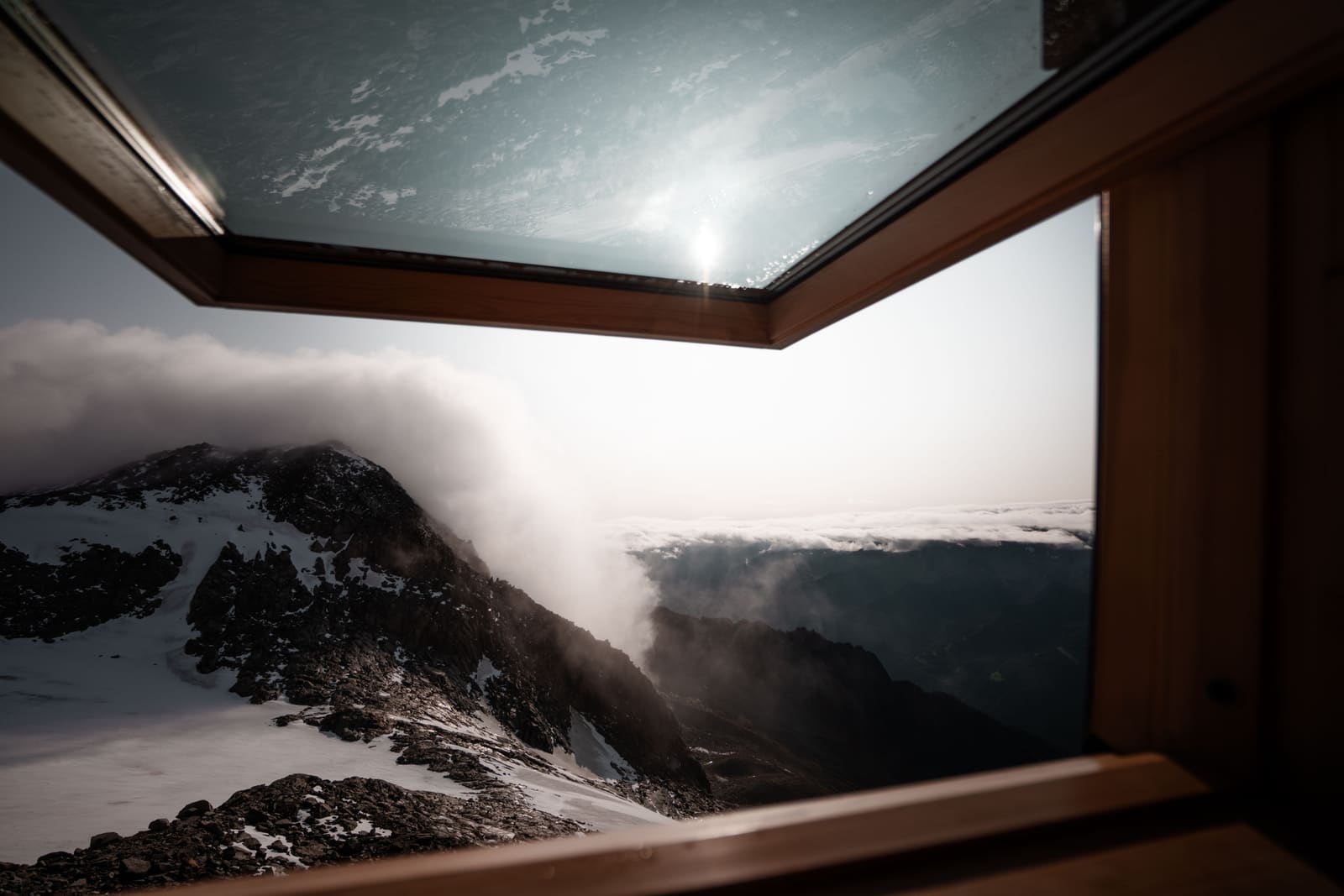
Some rooms occupy the original 1930s wing of the building, preserving a piece of the structure's history as a way station for those heading to the Pic du Midi observatory just 257 metres higher up the mountain. All rooms include private bathrooms and views across the Pyrenees range.
Half-board accommodation in a double room starts at €599 per night, roughly £506. That rate includes breakfast and dinner, prepared by chef Stéphane Tournié, who previously earned a Michelin star at Les Jardins de l'Opéra in Toulouse. The menu reflects his background, though the logistics of provisioning a kitchen accessible only by cable car add a layer of complexity most restaurants do not face.
The spa area, still under construction, will add another reason to stay beyond the location itself. December is the target for completion, extending the hotel's appeal into the winter season when snow coverage is at its peak.
Dark Skies and Old Science
The hotel's location is tied to the Pic du Midi observatory, which has been studying the skies since 1878. In 2013, the area was designated France's first International Dark Sky Reserve, a recognition of the exceptionally low light pollution at this altitude and remoteness. Guests receive daily access to a planetarium show introducing the constellations, a feature that blends the site's scientific heritage with its new hospitality role.
The combination of altitude, isolation, and clear skies makes the property more than a base for mountain activities. It functions as a destination in itself, particularly for those interested in astronomy or simply in experiencing a landscape largely free from artificial light after dark.
The challenge, of course, is that same isolation. Weather can close the cable cars, stranding guests or preventing arrivals. Altitude sickness is a risk for some visitors, especially those ascending quickly from lower elevations. The hotel's appeal lies partly in its inaccessibility, but that cuts both ways.
A Niche in the Mountain Hospitality Market
France has no shortage of mountain hotels, but few operate at this elevation or with this degree of remoteness. The reopening of Hôtellerie des Laquets targets a specific segment: travellers willing to pay a premium for altitude, history, and a degree of adventure that comes with the logistics of access.
The half-board model makes sense given the lack of alternative dining options. Guests are effectively committed to eating at the hotel, which simplifies operations but also places pressure on the kitchen to deliver quality and variety over multi-night stays.
Pricing is high by French standards outside of luxury ski resorts, but it reflects both the cost of renovation and the ongoing expense of operating in such a location. Every supply delivery, every maintenance task, every staff rotation depends on the cable car system. That overhead is baked into the nightly rate.
The spa addition signals an intent to attract guests who might not otherwise consider a high-altitude stay. Wellness amenities can broaden appeal beyond hikers and astronomers, though whether that market will materialise at this price point and altitude remains to be seen.
The Broader Context
The hotel's reopening coincides with growing interest in adaptive reuse of historic mountain infrastructure across Europe. Former refuges, observatories, and military installations are being converted into hospitality properties, preserving structures that might otherwise decay while creating new tourism offerings.
In London, Admiralty Arch is undergoing a similar transformation, converting a grade-I listed monument into a 114-room Waldorf Astoria set to open later this year. The trend reflects both a scarcity of development sites in desirable locations and a recognition that historic properties carry appeal that new construction cannot easily replicate.
For Hôtellerie des Laquets, the question will be whether the combination of altitude, history, and isolation can sustain year-round occupancy or whether it becomes a seasonal operation tied to peak hiking and stargazing months. The December spa opening suggests an ambition to extend the season, but winter at 2,620 metres presents its own challenges, from weather reliability to guest comfort in an environment where temperatures can drop sharply.
The hotel has reopened at a moment when high-altitude tourism is expanding, but also when the costs and risks of such projects are increasingly visible. Success will depend on whether enough travellers are willing to trade convenience for the experience of staying at the highest point French hospitality can currently reach.