A Quiet Shift in What People Want
South Lake Tahoe, a resort town on the California-Nevada border, registered a 195 per cent increase in searches on Expedia between 2025 and 2026, according to the platform's annual ranking. That puts it at the top of a list drawn from booking data and survey responses from 26,000 travellers.
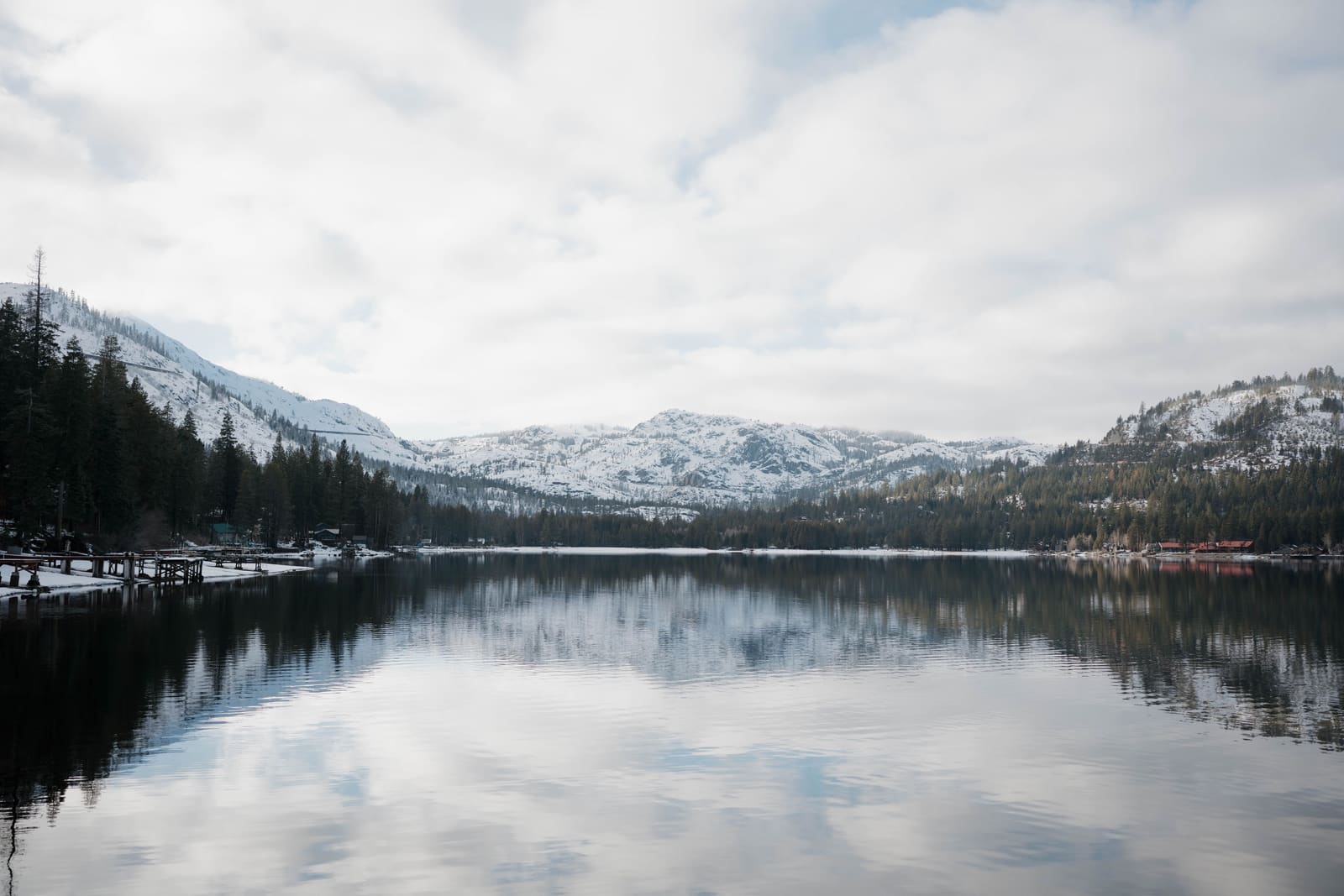
The numbers suggest people are moving away from household-name destinations towards places that offer a mix of outdoor activity, manageable crowds, and multiple reasons to visit across the calendar. South Lake Tahoe sits beside North America's largest alpine lake and supports skiing and snowboarding in winter, then kayaking, paddleboarding, and trail hiking when the weather warms.
Popular walks include the 16-kilometre ascent to Mount Tallac and the shorter Eagle Falls Trail, which allows dogs. Lakeside paths from Regan Beach offer easier access for those who want scenery without elevation gain. The town has also seen new hotel investment. Caesars Republic Lake Tahoe completed a renovation and runs outdoor concerts in summer, while Gurney's, a hospitality group based in Montauk, plans to open a property with lakeview rooms in 2027.
Visiting outside peak season can mean quieter trails and easier access to local services, though winter sports and summer water activities remain the main draws.
A List That Spans Three Continents
Hyogo, the Japanese prefecture that includes Kobe and lies west of Osaka, came second with a 95 per cent rise in searches. Expedia highlighted it under its Smart Travel Health Check initiative, which recognises destinations that balance visitor experience with responsible tourism practices.
Punta del Este, Uruguay's coastal resort, ranked third after a 65 per cent increase. Sedona, Arizona, and Busan, South Korea, rounded out the top five. The remaining entries included Holbox in Mexico, Perugia in Italy, the Tweed region of New South Wales, Niagara-on-the-Lake in Canada, and Chichester in southern England.
Europe secured only two spots. Perugia, Umbria's hilltop capital known for jazz and chocolate festivals, saw searches climb 35 per cent. Chichester, which offers Roman heritage, access to the South Downs, and West Wittering Beach, recorded a 30 per cent increase.
The geographical spread reflects demand that is not tied to a single activity or landscape. Alpine recreation, coastal breaks, heritage tourism, and wellness all appear in the data.
What the Pattern Suggests
Ariane Gorin, chief executive of Expedia Group, said travellers in 2027 are becoming more intentional and seeking trips that feel personal and purposeful. The ranking supports that observation. None of the destinations are defined by a single landmark or event; all offer multiple reasons to stay longer.
That could help spread visitor numbers across regions and seasons, reducing pressure on infrastructure in over-visited places. But rapid growth brings its own challenges. Destinations that see a sharp rise in interest will need to manage capacity, particularly in accommodation and transport, without losing the qualities that attracted people in the first place.
For South Lake Tahoe and Sedona, the figures represent a positive signal for US travel, which has faced headwinds in recent years due to foreign policy decisions under the Trump administration. Both destinations benefit from proximity to domestic markets and the ability to serve visitors year-round, rather than relying on a single season.
Timing and Capacity
The practical takeaway is to watch rising destinations early and book with local capacity in mind. South Lake Tahoe's 195 per cent increase is striking, but it also means more competition for rooms, restaurant tables, and trailhead parking.
Travellers who prefer quieter conditions may find better value and fewer crowds by visiting in shoulder seasons, though that depends on which activities they prioritise. Winter sports and summer water access remain the main attractions, but spring and autumn offer mild weather and open trails without the peak-season rush.
The broader trend suggests that people are looking for places that reward longer stays and varied interests, rather than destinations built around a single headline attraction. Whether that translates into more sustainable tourism depends on how quickly infrastructure and management practices can adapt to rising visitor numbers.