A Narrower Window for Confidence
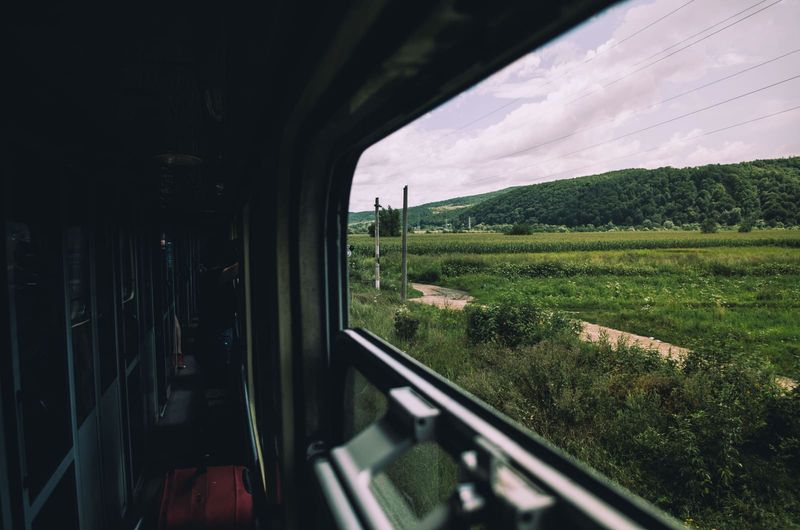
Travellers heading out this northern autumn face a more complicated planning equation. The World Meteorological Organization now assigns a near-certainty probability to El Niño conditions holding through the first quarter of 2027, with knock-on effects likely to persist longer. That matters because this ocean-atmosphere cycle rewires rainfall distribution, temperature norms, and storm behaviour across multiple continents, often in ways that collide with high season.
Forecasts are not uniform. Regional ocean currents and atmospheric patterns can amplify or dampen the signal. But the WMO's confidence level means operators and travellers alike should budget for a higher baseline of disruption: flood surges, prolonged dry spells, wildfire flare-ups, heat stress, and storm-track shifts that strand flights or close roads.
Where Risk Is Climbing
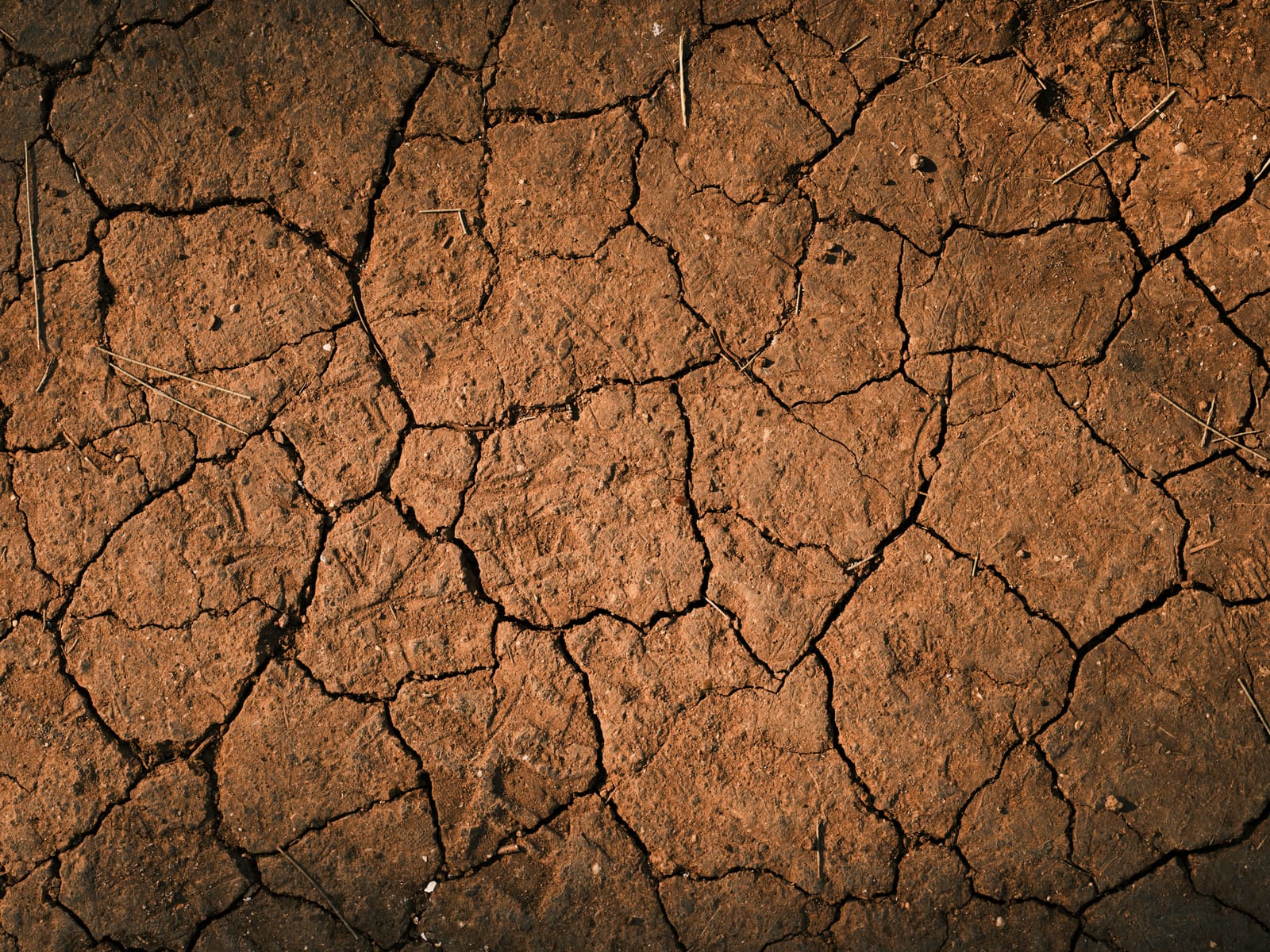
The Horn of Africa may see heavier-than-usual October-to-December rainfall, raising the prospect of washed-out access routes to safari lodges and seasonal camp closures. By contrast, southern Africa is tracking toward a drier summer. The European Commission's Joint Research Centre forecasts below-average precipitation across South Africa, Namibia, Botswana, Zimbabwe, Mozambique, and Madagascar through early 2027. Similar dry signals apply to parts of Central America, South-East Asia, and Indonesia's island chains, with north-western Australia expected to follow later.
None of these are guarantees at the destination level. Strong El Niño episodes have historically brought intense rain and flooding to the western edge of South America, so anyone planning trips to Peru or Ecuador should track national meteorological updates rather than relying on broad-brush outlooks.
In the United States, the southern belt is more likely to see wetter conditions. Pacific storm tracks may pivot toward California, lifting the risk of flash flooding, though a wall-to-wall wet winter is far from certain. Atlantic hurricane activity, meanwhile, tends to weaken under El Niño because of increased wind shear. The US National Oceanic and Atmospheric Administration puts the odds of a below-normal 2026 season at 55 per cent, but that still leaves room for damaging storms in the Caribbean.
Drought remains possible across stretches of the Caribbean and Central America, though timing and severity vary by microclimate. Europe's response is harder to pin down. The Joint Research Centre sees a potential warm anomaly building in autumn, possibly intensifying by spring 2027. The message for travellers is the same: lean on official weather services and local alerts rather than seasonal averages.
What the Industry Can Do
Airlines, tour operators, accommodation providers, and destination management organisations should be linking contingency plans directly to official alert systems. That means mapping alternative routes before roads close, securing backup accommodation, building flexible staffing rosters, and documenting shelter or evacuation protocols. Contracts need clear language on what happens when weather renders an attraction inaccessible or shuts down a port.
Drought-prone destinations require advance planning around water and energy supplies. Operators should vet suppliers for resilience and maintain communication channels that separate official warnings from broader seasonal outlooks, so guests understand the difference between a watch and a directive.
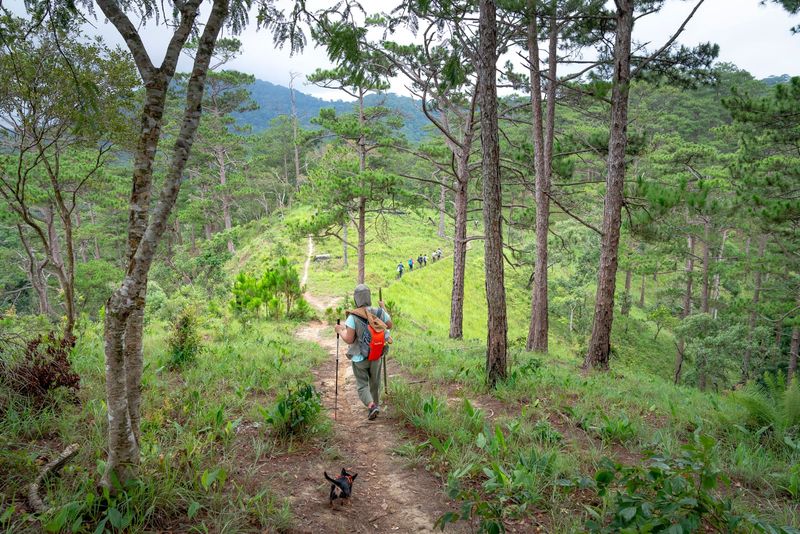
Cruise lines, safari outfitters, and adventure specialists should be reviewing route access points, wildfire exposure zones, and the adequacy of medical support in remote areas.
How Travellers Can Protect Themselves
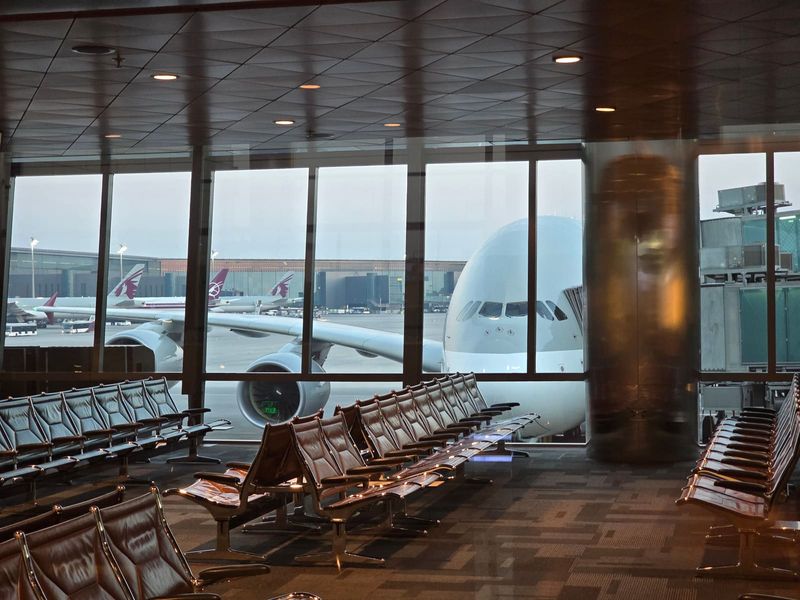
Flexible booking terms are no longer optional. Travellers should build extra connection time into itineraries and avoid plans that hinge on a single road, flight, or ferry link. Insurance deserves close scrutiny. Policies differ on coverage for known weather events, missed departures, evacuation, and cancellation. The WMO's near-100 per cent forecast may push some insurers to raise premiums or narrow terms, so reading the fine print matters more than usual.
Monitor national weather services and government travel advisories before departure and throughout the trip. Save alerts offline. Keep medicines, identity documents, and emergency contact details within easy reach.
For trips to hot climates, carry water, seek shade during peak heat hours, and adjust activity schedules. In destinations facing water shortages, respect usage restrictions and cut back voluntarily. Marine heatwaves can bleach coral reefs, so divers should consult current marine-park advisories before booking.
Shoulder-season travel or switching to lower-risk destinations may help, but even so-called coolcation spots are not immune to disruption.
A Skill Set in Transition
Flexibility is evolving from a convenience into a core competency. The interplay between ocean cycles and atmospheric dynamics is tightening the margin for error in travel planning. Operators and travellers who treat weather as a variable to manage, rather than a backdrop to ignore, will navigate the next twelve months with fewer surprises and lower costs.
The infrastructure for real-time monitoring exists. Using it consistently is the part that still lags behind.