An Industrial Site Becomes a Gallery District
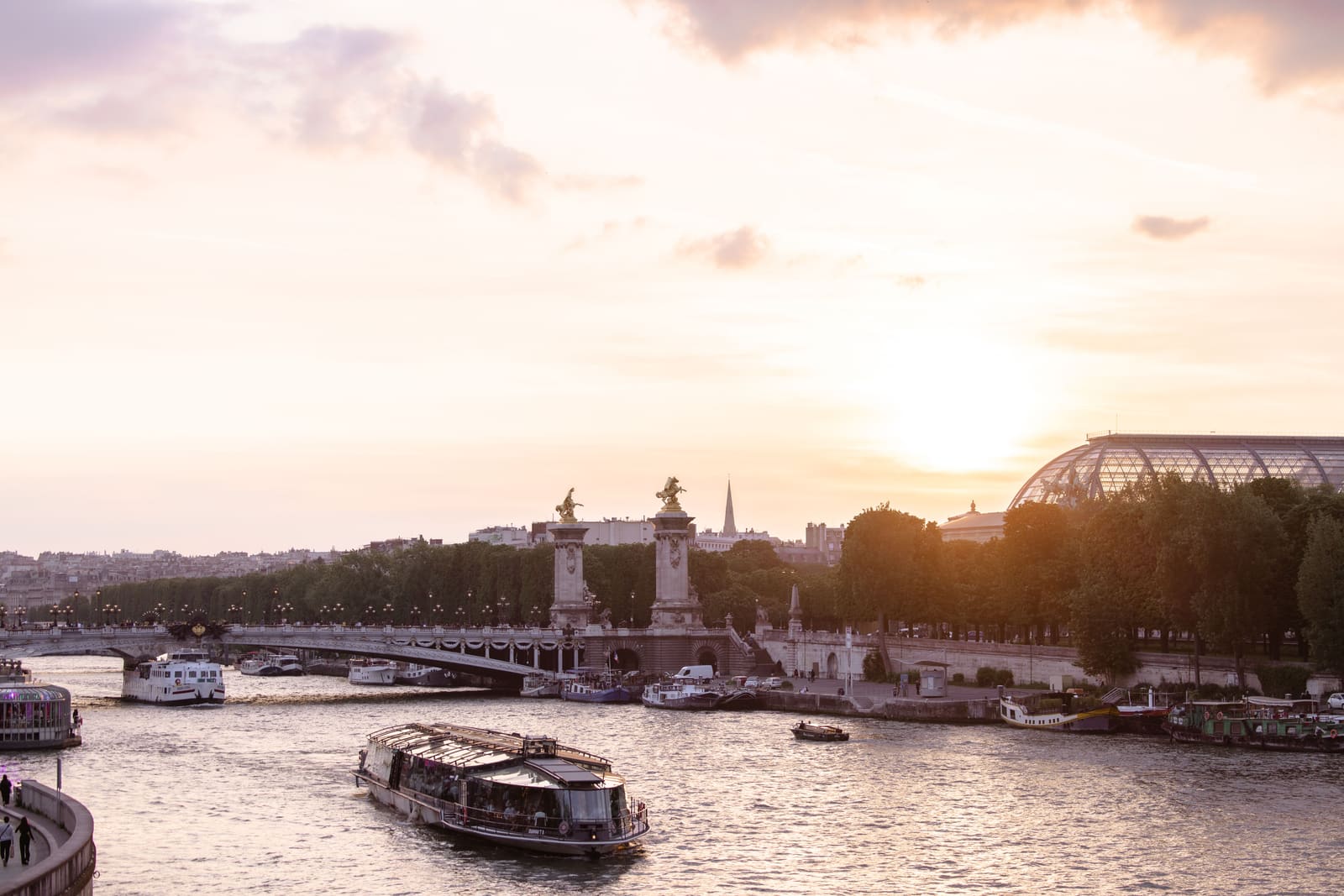
Île Seguin sits in the Seine at Boulogne-Billancourt, about ten minutes on foot from where Métro line 9 terminates. For most of the twentieth century, the narrow strip of land belonged to Renault, which ran its largest manufacturing plant here. Workers assembled millions of vehicles before the factory closed and was eventually demolished.
Now the island is being rebuilt around museums, performance halls and public gardens. The newest arrival is Large, a contemporary art venue opening on 17 October 2026. The structure spans 5,000 square metres and dedicates roughly half that area to galleries. The main exhibition hall rises to 14 metres and contains no columns, leaving the floor unbroken.
RCR Arquitectes, the Catalan studio that won the Pritzker Architecture Prize in 2017, designed the building in collaboration with French practice CALQ. Visitors step into a 370-square-metre entrance hall before moving upward through escalators and corridors that link the different levels. Galleries on upper floors look down into spaces below, and outdoor terraces face the river and the hills of Meudon beyond.
Free Access to Nearly Half the Building
Large is planning to keep 40 per cent of its interior open without charge. The entrance atrium is designed to host talks and performances. A bookshop, a children's workshop and a café called Extra Large occupy other parts of the ground floor. The café terrace overlooks the Seine.
Entry to exhibitions will be free for anyone aged 26 or younger, along with several additional groups. Full-price tickets are set at €15, according to Large. The venue will open Wednesday through Sunday from 11am to 7pm, with extended hours until 9pm on Fridays.
The Opening Show Ties Back to Renault
The inaugural exhibition, titled Moteur Imaginaire, draws directly from the island's manufacturing past. Cecilia Alemani, who curated the 2022 Venice Biennale, has assembled 120 works by 55 artists from 23 countries. The selection examines how people relate to machines, factories and cars.
"The exhibition takes its inspiration from the symbolic legacy of the historic Renault factory on the Île Seguin," Alemani said in a statement. The car appears as a symbol of innovation and progress but also as a driver of environmental change, urban sprawl and shifting social roles.
Several pieces engage with Renault's history in unexpected ways. Bertrand Lavier is showing a Formula One car coated in thick paint, while Bianca Bondi has reworked a Renault 12 frame using salt, water and plants. Ghanaian artist Paa Joe and his son carved a coffin by hand, modelling it after the 1899 Renault Type B. Works by Jean Dubuffet, Niki de Saint Phalle, Jean Tinguely and Victor Vasarely are also included, alongside 17 new commissions created for the show.
Moteur Imaginaire will run through 7 March 2027.
A Wider Cultural Quarter Is Taking Shape
Large is one piece of a larger redevelopment called Pointe des Arts, which covers more than 53,000 square metres at the western tip of Île Seguin. La Seine Musicale, a concert and performance venue, already operates nearby. An eight-screen Pathé cinema and Parc Gauthier Mougin, which is planned to display more than 30 sculptures, are also part of the precinct.
Restaurants and cafés have opened along the island's edges, and a four-star hotel is in the works. The transformation reflects a broader pattern in European cities, where former industrial zones are being repurposed for cultural use. The scale of the shift here is unusual, though, given the symbolic weight Renault carried in French manufacturing for decades.
What the Opening Means for Visitors
Paris has long drawn art travellers to the Louvre, Musée d'Orsay and smaller galleries scattered across the centre. Île Seguin offers a different kind of visit. The island lies outside the densest tourist circuits, and the trip requires an extra leg on the Métro. But the concentration of new venues in one walkable area makes it easier to spend a full day without retracing steps.
Large is focusing on French contemporary art, a niche that distinguishes it from the city's older institutions. Whether the venue can sustain interest beyond its opening season will depend on the strength of future programming and how well it connects with audiences who might not otherwise travel to Boulogne-Billancourt.
The island's industrial past gives curators a narrative thread that can be revisited across different exhibitions. Moteur Imaginaire is an obvious starting point, but the factory's history also touches on labour, urbanism, environmental impact and technological change. Those themes offer plenty of material for future shows, assuming Large chooses to keep mining them.
For now, the building itself is the draw. RCR Arquitectes has a reputation for blending structure with landscape, and the design here plays with transparency and height in ways that should feel distinct from Paris's denser gallery spaces. The river views and open terraces add a layer of appeal that indoor-only venues cannot match.
Île Seguin is no longer a factory island. Whether it becomes a destination people return to will depend on what fills the galleries after October.