A Rainforest Older Than Most Islands
Langkawi sits off Malaysia's northwest coast, close enough to Thailand that you can see the border from some beaches. Yet the archipelago remains quieter than Phuket or Krabi, despite rock formations that predate most landmasses by half a billion years.
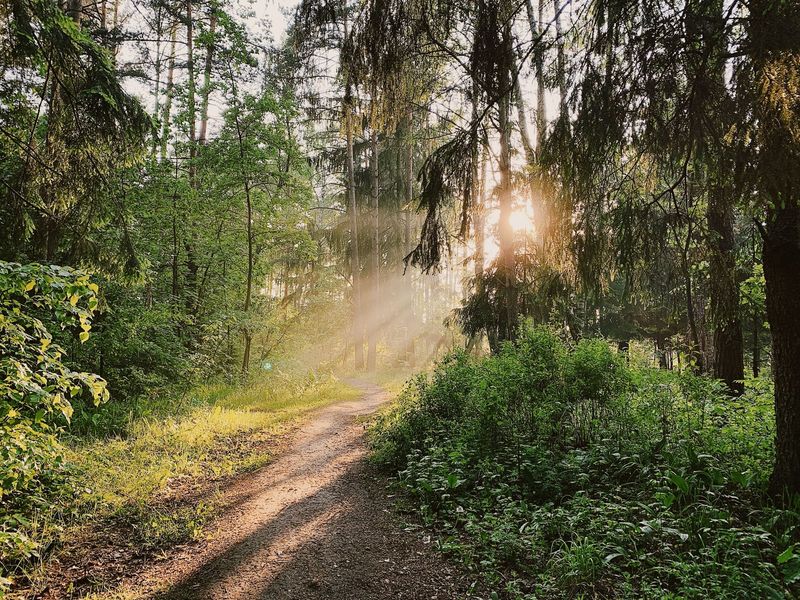
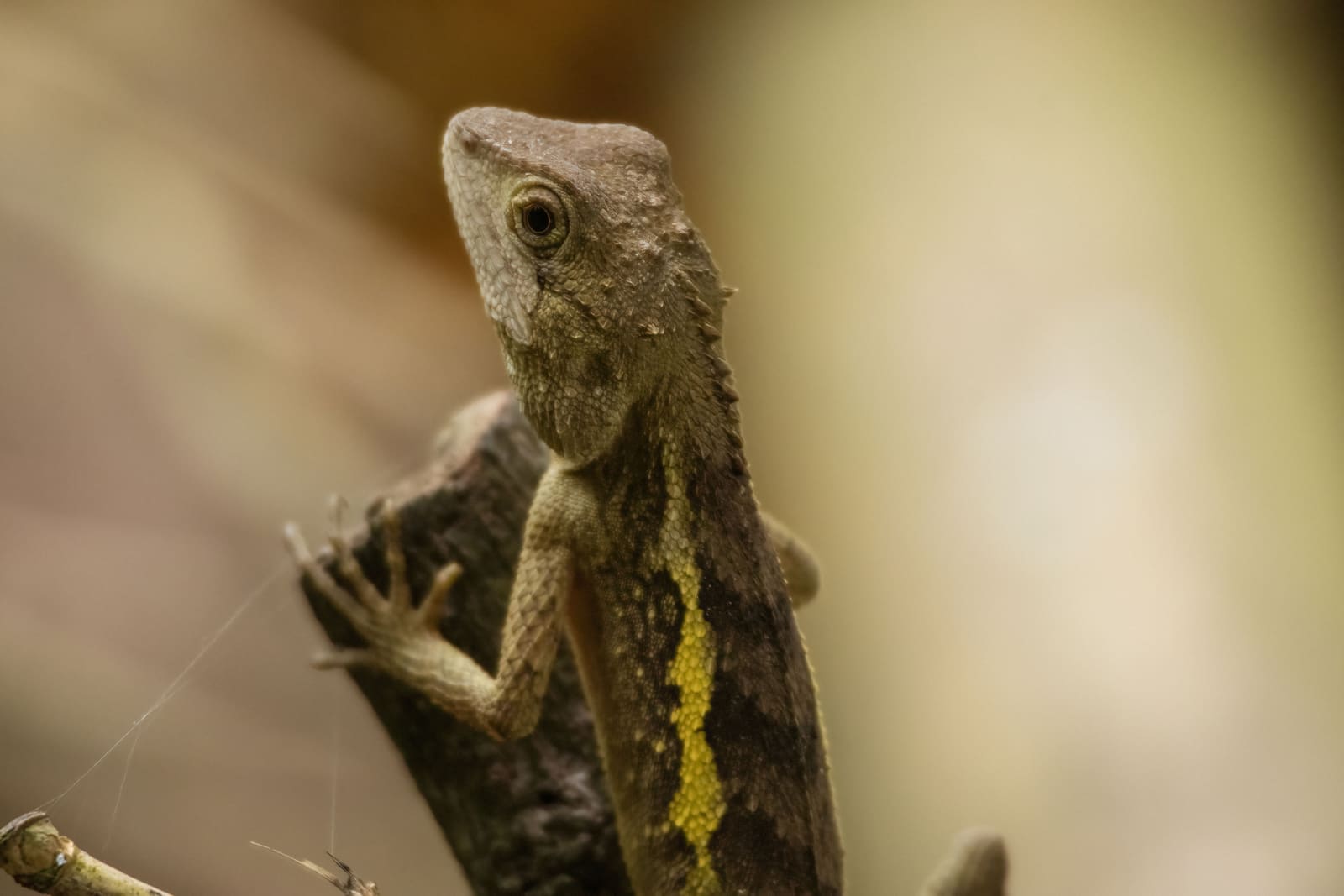
During the Ice Age, equatorial Southeast Asia avoided freezing. That extra time allowed plant and animal life to develop complexity you won't find in regions that had to start over after glaciation. Today, the island's rainforest hosts 530 butterfly species (the United Kingdom has 59) and enough biodiversity that walking to a spa appointment can involve crossing paths with monitor lizards, hornbills and otters.
The Malaysian government invested heavily in Langkawi's tourism infrastructure in the late 1980s. Honeymooners from Singapore and mainland Malaysia arrived in steady numbers, but the island never became a package-tour staple for long-haul travellers. That gap means beaches stay navigable and forest trails rarely queue.
Where Folklore Shaped Geography
Mount Machinchang, on the northwestern tip, carries the island's creation story. Local tradition describes a fight between two giants, Machinchang and Gunung Raya, whose brawl scattered objects across the landscape. A pot of gravy supposedly landed in what is now the town of Kuah (Malay for "gravy"). An engagement ring marked Tanjung Cincin, or Cape of the Ring. Machinchang fell, and his silhouette became the mountain's ridgeline, which still resembles a prone figure.
Forest meditation sessions at the mountain's base incorporate Mandi Maul Hayat, a ritual of entering water right foot first at dawn to align with nature. The practice shares similarities with Japanese forest bathing but emphasises immersion in streams or morning dew as a reset. Birdsong filters through the canopy, and the water temperature stays cool enough to feel purposeful.
Monkeys That Wear Spectacles
Dusky leaf monkeys are harder to spot than the long-tailed macaques that raid unattended bags across the island. The grey-black primates keep to the treetops, distinguished by white circles around their eyes that give them a bespectacled appearance. Mothers guard infants born with bright orange fur, a colouring that fades as they mature.
Finding them requires patience and a guide willing to navigate dense foliage, elevated platforms and rope bridges strung between trees. When one finally swings into view, the moment holds: a scruffy face peering down with the same curiosity you're directing upward.
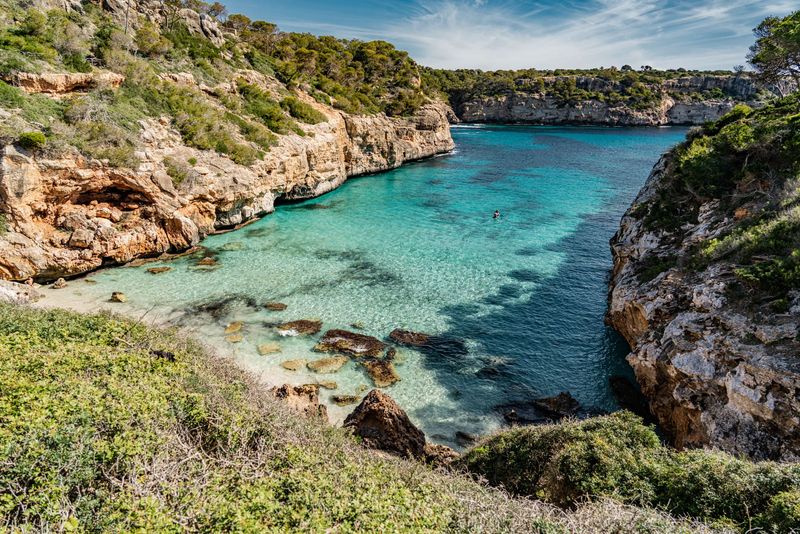
Brahminy kites, the reddish-brown raptors that may have given Langkawi its name (the word translates loosely to "island of the reddish-brown eagle" in colloquial Malay), hunt over Kilim Karst Geoforest Park. Limestone cliffs and mangrove forests rise from emerald water, and the kites circle before dropping suddenly to feed, rust-coloured wings stark against the green tangle below.
Private boat charters let you drift close to the mangrove roots without the crowding that comes with group tours. The root systems, mature and gnarled, anchor entire ecosystems above the waterline.
A Resort Built Around Trees
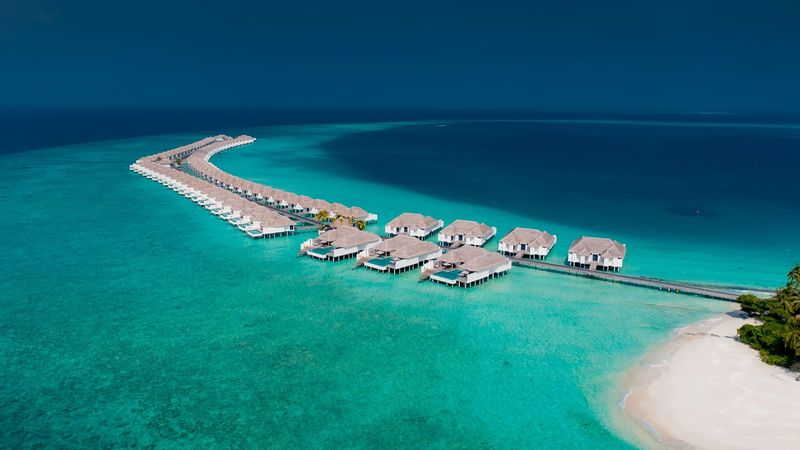
The Datai Langkawi, designed by Australian architect Kerry Hill in 1993, set a template for low-impact luxury. Villas rest on stilts, positioned around the rainforest canopy rather than clearing it. At night, civets and hornbills cross the roofs. The property borders Datai Bay, where powdery sand meets calm water and paddleboards come complimentary.
The resort employs a butterfly specialist who plants nectar-rich flowers and caterpillar host plants to draw species into the gardens. An app helps guests identify Malayan birdwings and banded peacocks. According to The Datai Langkawi, 96 per cent of the property's solid waste is now composted, upcycled or repurposed. Naturalists lead bird-watching walks and marine biology courses as part of the hotel's conservation programme.
Spa pavilions sit open to the forest, which means treatments occasionally pause for wildlife. Yellow-beaked hornbills rustle overhead. Monitor lizards wander through. Otters cross distant swamps. The encounters aren't staged; they're a function of building infrastructure that doesn't wall out the landscape.
Street Food and Sunset on Pantai Cenang
Pantai Cenang, further south, offers a different energy: tiki bars, budget inns, jet skis and a beachfront that stays lively after dark. The draw is street food. Keladi Cafe, run by a local vendor and two resident kittens, serves char kway teow (stir-fried flat rice noodles with egg and shrimp) that tastes better eaten on the sand as the sun drops.
The contrast with Datai Bay is deliberate. Langkawi accommodates both ends of the travel spectrum without forcing a choice. You can spend the morning meditating in a 550-million-year-old forest and the evening eating noodles in flip-flops.
Why Couples Return
The island attracts repeat visitors, couples who come back for anniversaries and eventually bring children. The appeal isn't novelty; it's reliability. The rainforest hums the same way each visit. The kites still hunt over the mangroves. The beaches stay quiet enough that you notice the absence of your phone.
Langkawi isn't undiscovered, but it hasn't tipped into overcrowding. That balance makes it worth the detour after Kuala Lumpur, especially for travellers who want wildlife and jungle without sacrificing a decent beach or a good meal.