A Former Warehouse Tops the List
Moebius Milano, a 700-square-metre venue housed in what used to be a textile warehouse, has been named Europe's best bar in the World's 50 Best Bars 2026 rankings. The venue also placed second globally, the strongest result any Italian establishment has achieved in the awards' history.
The announcement came during a ceremony held in Milan on 7 October, the first time the event has taken place in Italy. For a city where meeting for a pre-dinner drink is woven into daily life, the recognition reflects how far its bar scene has travelled beyond the classic spritz routine.
Moebius opened in 2019 near Milano Centrale station. Founder Lorenzo Querci designed it as a hybrid space: cocktail bar, restaurant, live music venue and record shop all operate under one roof. A 700-year-old olive tree from Andalusia grows through the interior, surrounded by exposed concrete, iron beams and vintage furniture. Behind the bar, a concrete wall holds hundreds of spirit bottles.
Vegetables Meet Vermouth
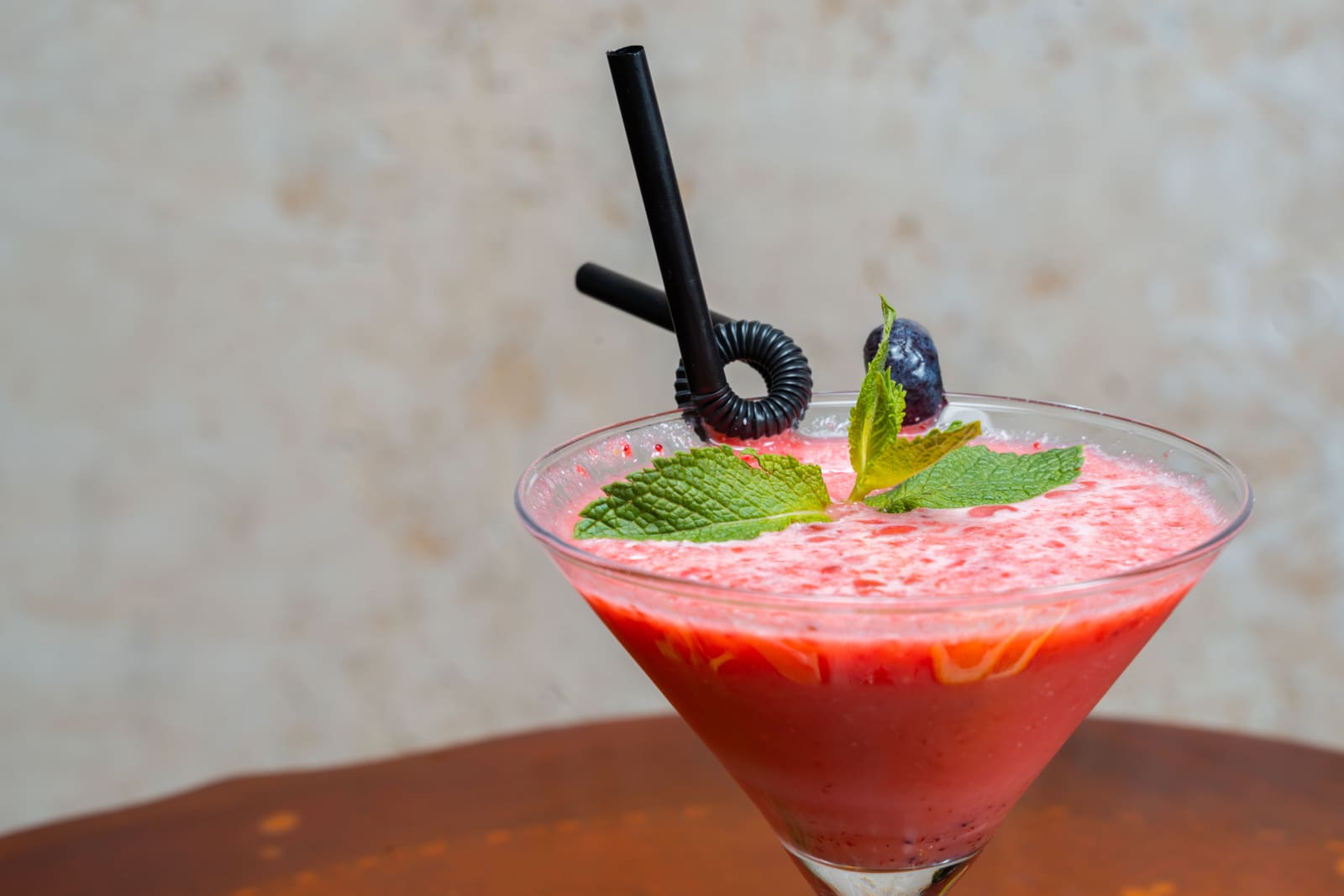
The drinks programme, led by bar manager Giovanni Allario, builds on familiar cocktails but introduces ingredients rarely seen in glasses. The pesto martini combines vodka, vermouth, housemade pesto and white balsamic vinegar. Allario drew on his Genoese background for the recipe, and it has become one of the venue's most requested drinks.
Another creation, the carrot bamboo, blends vermouth, gin, manzanilla sherry, carrot, yuzu and shiso. The menu pulls from culinary techniques and treats vegetables, herbs and vinegars as core components rather than garnishes.
Food plays an equal role. The ground floor houses Tapa Bistrot, serving sharing plates that draw from multiple cuisines. Upstairs, Moebius Sperimentale offers a fine-dining experience under chef Enrico Croatti. Live jazz, soul and bossa nova performances run throughout the week.
This year's second-place finish follows a seventh-place ranking in 2025, when Moebius won the Highest Climber Award. The five-place jump represents a significant acceleration in a competitive field.
Beyond One Address
Moebius is not operating in isolation. Milan's wider bar landscape has grown more varied, with venues experimenting across formats and flavours.
1930, which opened in 2013, spent years as a secretive speakeasy with a hidden location and invitation-only entry. It moved to a public address beneath MAG La Pusterla in 2025 but retained its experimental approach. The menu includes a caviar martini and a parmigiano colada, borrowing plating and ingredient ideas from high-end kitchens. The bar appeared at number 94 in the extended 2026 rankings.
Lubna, another project from the Moebius team, sits near Fondazione Prada and describes itself as a listening bar, restaurant and cultural venue. Its cocktails incorporate fire-cooking techniques, and the space regularly hosts art and music events. The model blurs the line between eating, drinking and cultural programming.
International operators have also arrived. Salmon Guru, originally from Madrid and created by bartender Diego Cabrera, opened a Milan location near Arco della Pace. The venue features comic-book-inspired interiors, neon lighting and theatrical presentations. It brings a different visual and experiential energy compared to Milan's more understated venues.
Rita, a Navigli neighbourhood fixture since 2002, offers a counterpoint. Its Gin Zen, made with gin, ginger and lime, dates back to 1998 and remains popular. The bar represents a more straightforward approach, focused on well-made drinks without the layered programming seen elsewhere.
A City That Has Always Drunk Well
Milan's relationship with cocktails is not new. Campari opened a café in the Galleria Vittorio Emanuele II in 1867, and the city is widely recognised as the birthplace of the negroni sbagliato. That variation, made with prosecco instead of gin, was reportedly created by accident at Bar Basso in the 1970s by bartender Mirko Stocchetto. The drink gained widespread attention again in 2022.
Camparino in Galleria, located inside the historic shopping arcade, still serves traditional aperitivo to both locals and visitors. These older establishments continue to operate alongside the newer wave of venues, creating a drinking scene that spans generations and styles.
The city has long been associated with aperitivo culture, the ritual of meeting for a drink before dinner. That habit has not disappeared. What has changed is the breadth of options and the willingness of bartenders to push beyond the familiar formulas. Techniques from fine dining, ingredients from the kitchen, and hybrid formats that combine food, music and drinks have all become more common.
What the Rankings Reflect
The World's 50 Best Bars rankings are based on votes from bartenders, bar owners, drinks writers and other industry professionals. Each voter submits a list of their top bars, and the results are tallied to produce the final ranking. The system favours venues that are known within the industry and that offer something distinctive enough to be memorable.
Moebius's rise suggests that its combination of ambitious drinks, food, music and design has resonated with voters. The venue's size and scope set it apart from smaller cocktail bars, and its willingness to experiment with ingredients and formats may have helped it stand out in a crowded field.
For Milan, the recognition arrives at a time when the city is gaining attention for more than fashion and design. Its food and drink scene has become a draw in its own right, and the hosting of the awards ceremony in the city reinforces that shift.
Whether this momentum continues will depend on how the next generation of bartenders and operators build on what has already been established. For now, Milan's cocktail scene has the attention of an industry that is always looking for the next place to watch.