A New Route Launches Into Uncertainty
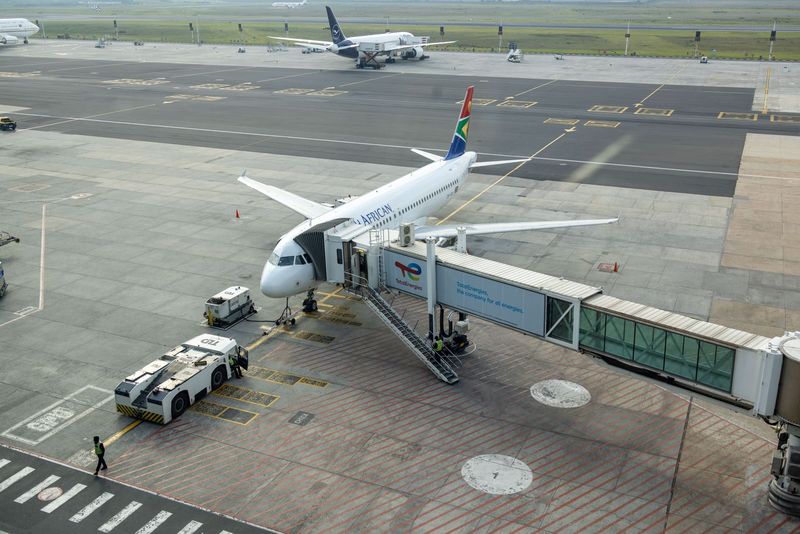
Delta Air Lines is set to start flying between Atlanta and Riyadh on 23 October, marking the first direct service between a US city and the Saudi capital. The timing is awkward. Just days before the scheduled launch, a strike on King Khalid International Airport killed at least 12 people and injured more than 300, according to Saudi authorities. Airport operations were suspended temporarily following the 10 October attack.
Iran-backed Houthi forces in Yemen have claimed responsibility for earlier strikes on the airport. As of now, Delta has not announced any delay to the route launch.
The airline had been promoting the service aggressively. In August, it offered one-way award seats for as little as 15,000 miles, an unusually low redemption rate aimed at introducing travellers to Riyadh and filling early flights. Whilst promotional pricing is common for new routes, the scale of the discount suggests Delta is working hard to generate demand in a market many potential passengers know little about.
Carriers Reassess the Risk
Delta is not alone in navigating the tension between commercial opportunity and security concerns. Virgin Atlantic, which is 49 per cent owned by Delta, cancelled its London to Riyadh service in April. The airline cited the conflict, safety assessments, and the difficulty of maintaining a reliable schedule as reasons for the withdrawal.
The decision underscores a practical challenge: airlines can absorb occasional disruptions, but repeated airport closures and security incidents make route planning nearly impossible. Passengers booking months in advance need confidence that their flight will operate, and corporate travel managers are unlikely to approve itineraries to destinations with frequent service interruptions.
For Saudi Arabia, the stakes are high. The kingdom has invested tens of billions of dollars in tourism infrastructure as part of its economic diversification strategy. New hotels, entertainment districts, and heritage sites are opening across the country, supported by simplified visa processes and marketing campaigns targeting leisure and business travellers alike.
The Cost of Building a New Market
Attracting visitors to a destination without an established tourism reputation requires sustained effort and significant spending. Saudi Arabia has been willing to invest heavily in airline partnerships, promotional campaigns, and events designed to raise the country's profile.
But security incidents add a layer of cost that is harder to quantify. Airlines may demand higher yields to justify the risk, which in turn pushes up ticket prices and narrows the potential customer base. Promotional pricing like Delta's 15,000-mile awards can help fill seats in the short term, but they are not sustainable if the route cannot eventually support standard fares.
Insurance premiums for airlines operating into conflict-affected regions also rise, adding to operational expenses. Ground handling and crew scheduling become more complex when airports face intermittent closures. These costs do not appear on marketing materials, but they shape the economics of every route decision.
What Happens Next
Saudi Arabia's tourism ambitions rest on the assumption that international visitors will come in large numbers, drawn by new attractions and improved access. The kingdom welcomed around 100 million visitors in 2023, though the majority were religious pilgrims rather than leisure tourists. The government has set a target of 150 million visitors annually by 2030, with a significant portion expected to be international leisure and business travellers.
Reaching that goal requires not just infrastructure and marketing, but also a stable operating environment. Airlines need predictable access, hotels need consistent occupancy, and visitors need confidence that their plans will not be upended by security events.
The conflict in Yemen has been ongoing for years, but recent escalation has brought it closer to Saudi Arabia's economic centres. Riyadh, the capital and a focal point for business travel, is now directly affected. That shifts the calculation for carriers and travellers alike.
Delta's decision to proceed with the Atlanta route, at least for now, suggests the airline believes the long-term opportunity outweighs the immediate risk. But the economics of the route will depend on factors beyond the airline's control. If airport disruptions continue, even the most aggressive promotions may not be enough to sustain service.
The Broader Picture
Saudi Arabia is not the only country trying to build a tourism sector in a challenging security environment. Egypt, Jordan, and parts of North Africa have all faced similar pressures, balancing the need to attract visitors with the reality of regional instability.
What distinguishes Saudi Arabia is the scale of its ambition and the speed at which it is moving. The kingdom is not content with incremental growth; it is aiming for a wholesale transformation of its economy within a single decade. Tourism is central to that plan, expected to contribute significantly to GDP and employment.
Yet the fundamentals of tourism economics have not changed. Visitors go where they feel safe, where access is reliable, and where the value proposition is clear. Promotional pricing and new routes can create initial interest, but sustained growth requires stability.
For now, the question is whether Saudi Arabia can maintain momentum in the face of rising security costs. The answer will depend partly on the course of the conflict, and partly on how effectively the kingdom can reassure both airlines and travellers that it remains open for business.