A Seafood Feast on a Yellow Rock
The boat pulls up to a tiny islet an hour from Gothenburg's centre. No buildings, no people, just grey rocks and a wooden cabin. Captain Lasse unpacks shrimp, langoustine, crab legs, and locally baked flatbread onto a ledge overlooking the water. It is the kind of meal that makes you forget you are still technically within city limits.
Gothenburg has always had good seafood. What is different now is the volume and ambition of what is happening in the restaurants back on shore. The city saw around 20 new restaurant openings in the first few months of 2026, and the energy is palpable. This is not Stockholm's polished cousin anymore. It is becoming its own thing.
The Markets That Anchor It All
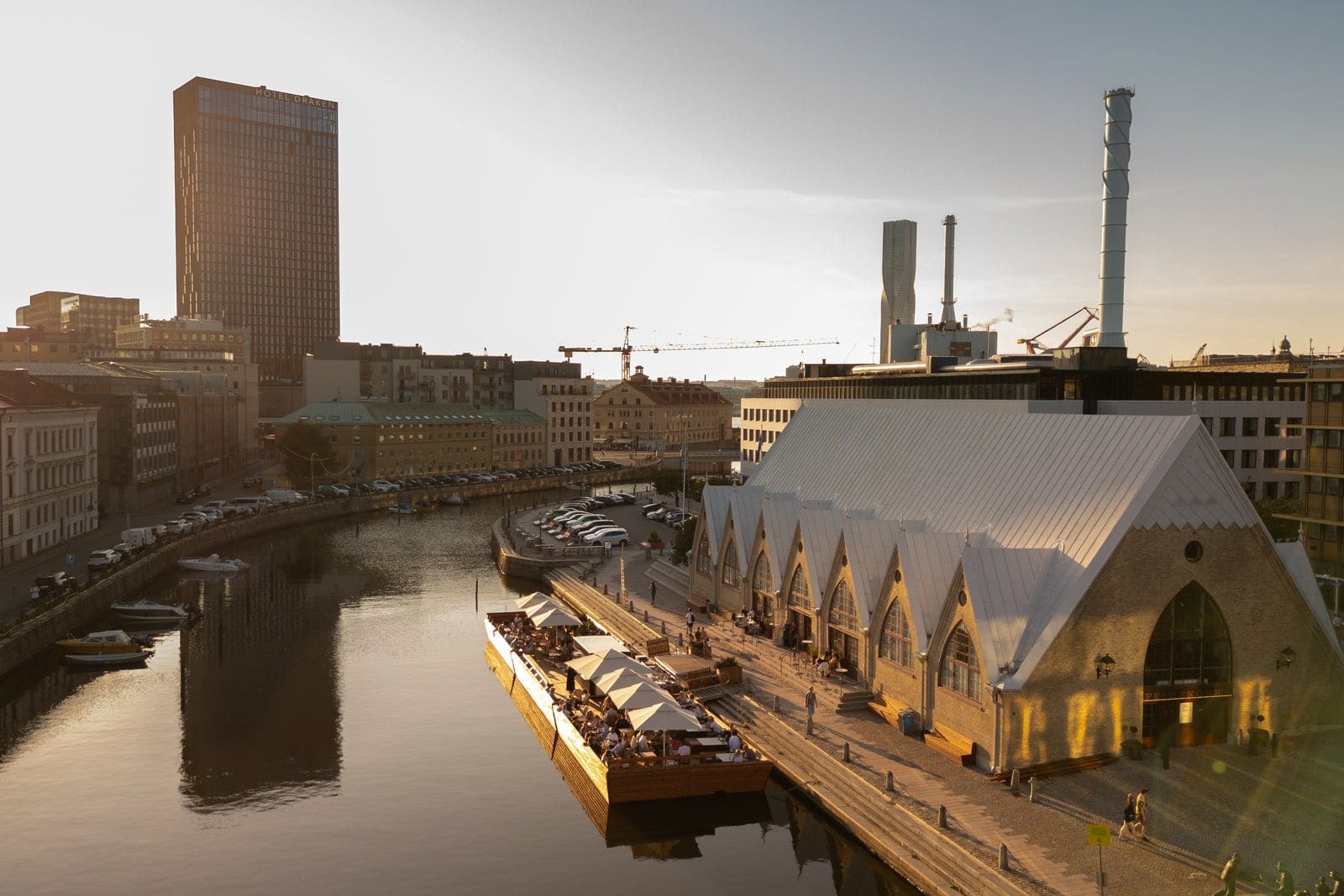
The city's relationship with fish goes back centuries. Feskekörka, the fish market that opened in 1874, still operates inside a building designed to look like a church. The Gothic windows and triangular roof make it look more ceremonial than commercial, which feels appropriate given how seriously people here take their seafood. Inside, stalls sell everything pulled from the surrounding icy waters, and restaurants like Lilla Åstols Rökeri and Ekmans turn those ingredients into lunch.
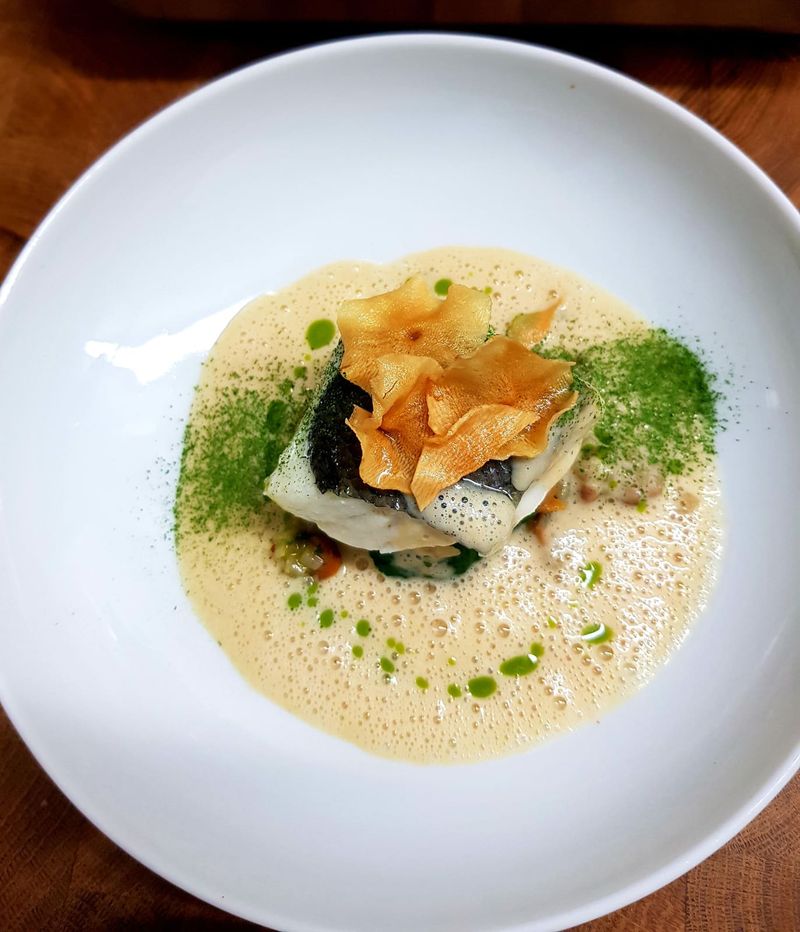
Feskekörka now hosts a two-day seafood festival each May, a new addition that signals how the city is leaning into its coastal identity. A few blocks away, Stora Saluhallen, a 19th-century market housed in a glass building, offers a different kind of abundance. Bar Bulot serves oysters with tapioca mignonette and pairs natural wines with sturgeon caviar. The halibut ceviche comes with thin melon slices. It is precise and light, the kind of food that does not announce itself.
A Former Shipyard Becomes a Food Fair
Gothenburg's north bank used to build ships. Now it builds restaurants. Vassen Market opened recently on the harbour, modelled after Copenhagen's Reffen. The setup is casual: beach bars, food stalls spanning Thai to Taiwanese, a tattoo parlour, a tarot reader. You can eat a tofu bao and som tam while a band plays and ferries glide past on the river.
The ease of getting around makes the city feel smaller than it is. A day pass for public transport costs around nine pounds and covers ferries to the archipelago, trams through the centre, and buses out to the islands. You can have breakfast in a market hall and dinner on a dock without much planning.
Where Michelin Meets Affordability
Gothenburg has six Michelin-starred restaurants, but the food scene is not confined to fine dining. Bhoga, a minimalist spot that recently reopened, runs a Thursday or Friday lunch deal for 295 kronor, about 23 pounds. You pick a main and the kitchen fills your table with seasonal sides: courgette with pickled mustard seeds, lettuce with marigold dressing, tomatoes in three colours. The coffee comes in ceramic bowls.
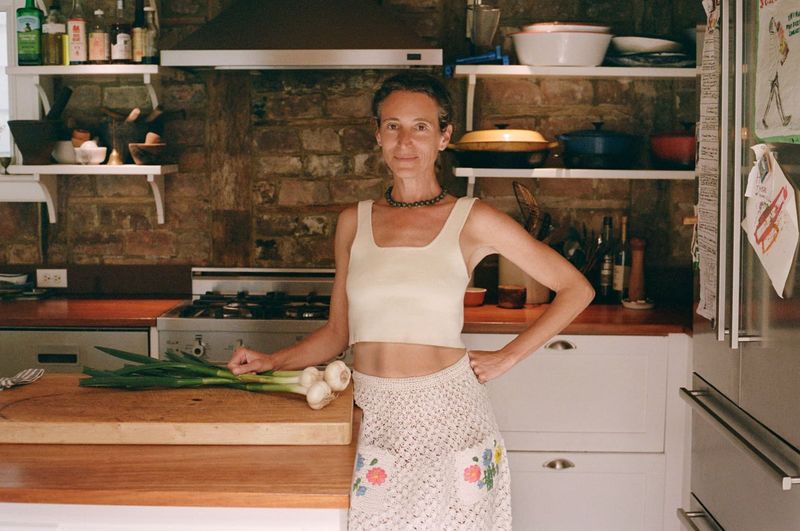
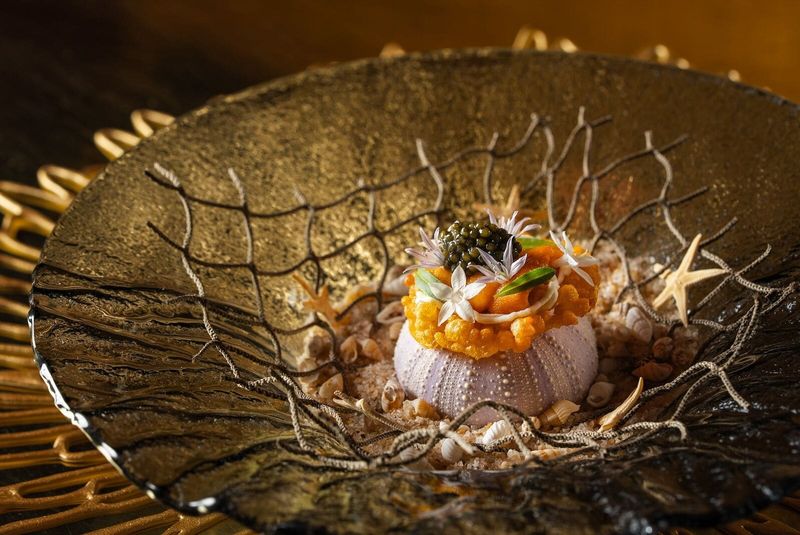
Project, run by Swedish-Australian chefs Anna and Cameron Irving, holds a Michelin star and operates from a bar where you can watch the kitchen work. The menu leans into contemporary Asian influences: monkfish in miso dashi, oysters glazed with bone marrow, langoustine sashimi with pickled roe. Cameron Irving notes that demand for this kind of cooking has grown sharply in Gothenburg, and that southern European flavours, particularly from France and Italy, are also shaping how Swedish chefs think about food. In August, Project is opening a wine bar next door in a former florist shop, focused on charcuterie and Mediterranean small plates at lower prices.
The Archipelago Adds Another Layer
The 7,600 islands around Gothenburg are not just scenery. Hönö, reachable by public transport in about an hour, has pastel houses, cherry trees, and Tullhuset, a family restaurant with a terrace over the water. The fish soup comes with saffron and crème fraîche. Blue mussels are cooked in beer. Captain Lasse, who served that island picnic, also runs mackerel trips in summer and lobster trips in autumn.
Further south, Popsicle operates out of a former fire station. The menu includes seared crayfish with rhubarb and yuzu, and an open sandwich called the Gothenburg royal: mussels, crab, turnip, sugar kelp. The garden is good for fika, the Swedish ritual of slowing down with coffee and something sweet. You can sit there for an hour and then be back in the city centre within another hour by boat.
What the Shift Means
Gothenburg is less visited than Stockholm, which has worked in its favour. There is room to experiment without the weight of expectation. The clean, cold water around the coast yields seafood that chefs here have always known how to handle. What has changed is the willingness to apply techniques and flavours from elsewhere: Asia, southern Europe, the contemporary natural wine movement.
The result is a city that feels like it is in the middle of figuring something out. Not every new restaurant will last, and not every idea will stick. But the volume of activity suggests this is more than a moment. The infrastructure is there, the ingredients are there, and the appetite, both local and from visitors, is growing.
Champagnebaren, tucked into a leafy courtyard, serves halibut crudo with sliced grapes and edible flowers. It looks like a painting. Bars like Bruno and Unity Jazz are nearby if you want a drink after. The city is small enough that you can walk between these places, but large enough that each neighbourhood has its own character. The north bank feels industrial and raw. The centre is elegant, almost continental. The islands are quiet and unhurried.
A City That Rewards Curiosity
Gothenburg does not announce itself the way some cities do. It is not trying to be the next Copenhagen or Stockholm. It is working with what it has: a river, an archipelago, a history of trade, and a generation of chefs who grew up eating one way and are now cooking another.
The city rewards people who wander. You might find a two-star Michelin restaurant in a boathouse on a lake, or a market stall selling the best Thai food you have had outside of Bangkok. You might end up on a yellow rock eating shrimp with a white-haired captain, or in a former fire station eating crayfish with rhubarb. The through line is that none of it feels forced. It all makes sense once you are there.