Pressure Builds on Brussels
ABTA, the United Kingdom's largest travel trade association, has called on European authorities to extend contingency measures for the Entry/Exit System well into 2027, arguing the biometric registration scheme still lacks the stability needed for full deployment. The organisation's intervention adds institutional weight to concerns already raised by airlines and airport operators across the continent.
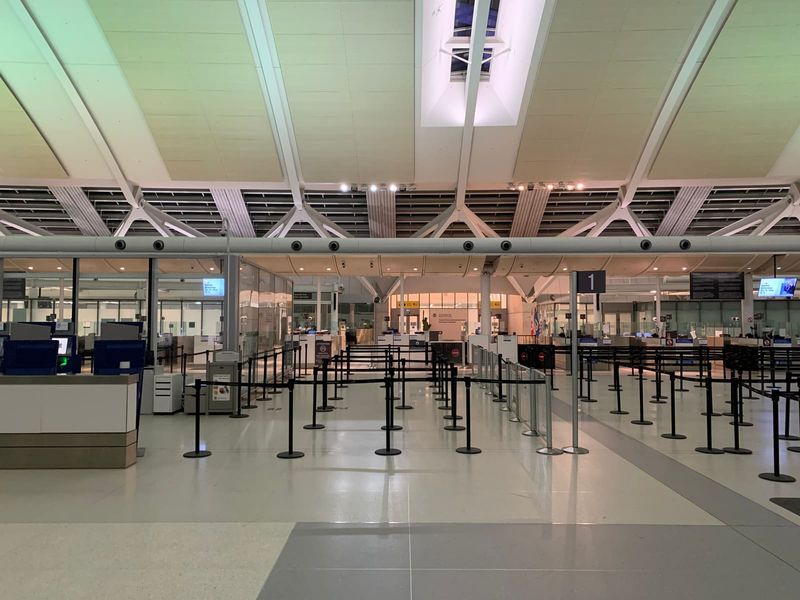
The system, which began operating in October 2026, requires non-EU travellers to register fingerprints and facial images at Schengen border crossings. Six months on, delays and crowding remain common at checkpoints from Lisbon to Brussels, prompting several member states to quietly suspend or modify procedures.
ABTA's director of public affairs, Luke Petherbridge, told media that Europe should maintain the "pragmatic approach" applied so far, even if that means keeping workarounds in place through next year. He pointed to two immediate priorities: better sorting of travellers who have already registered, and improvements to the companion app that would allow some checks before arrival.
What the Numbers Show
A survey of 2,000 travellers conducted by ABTA found that most respondents are not experiencing major delays under the new system. Only six per cent said the Entry/Exit System had made them much less likely to visit the European Union.
Yet fewer than half the consumers polled had actually passed through the system, a detail Petherbridge emphasised. The risk, he said, is that problems could worsen as volume increases and word spreads. "We don't want to see people being deterred," he noted.
On the European side, Migration Commissioner Magnus Brunner has defended the rollout, pointing to 230 million entries and exits recorded since launch and 80,000 refused arrivals, including 2,000 flagged for security reasons. Speaking to Politico, Brunner said member states had been given ample time to prepare and that further flexibility would not be granted.
Uneven Implementation Across the Bloc
Despite Brussels' official stance, enforcement has been anything but uniform. Greece unilaterally suspended the Entry/Exit System for UK arrivals to shield its tourism industry. France, the Netherlands, Germany, Malta, Portugal, and Switzerland have all been reported interrupting procedures to maintain what officials describe as "fluidity" at borders.
Major hubs including Lisbon, Milan, and Brussels have adapted protocols after severe operational strain, though no confirmed list of airports with suspended enforcement has been published. The patchwork approach has left travellers uncertain about what to expect and airlines struggling to advise passengers.
ACI Europe and Airlines for Europe released a joint statement days before ABTA's intervention, proposing a six-point action plan to address what they called "hardships" inflicted on passengers. Ryanair, Europe's largest carrier by passenger numbers, has separately urged that the option to suspend the system be kept open into 2027.
The Trade-Off Between Security and Flow
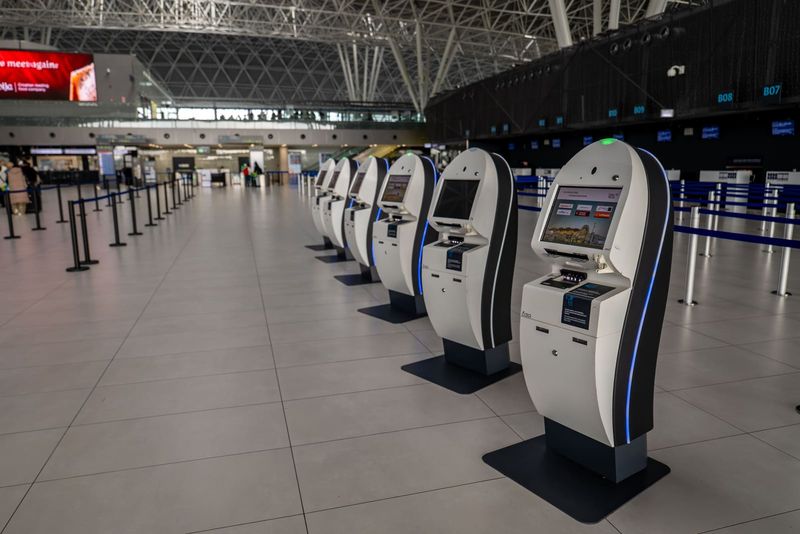
The Entry/Exit System was designed to tighten external border controls and replace manual passport stamping with a digital record of movements. In principle, it should speed processing once travellers are registered. In practice, the initial enrolment step has created bottlenecks, particularly at airports with limited space for biometric kiosks and at ferry terminals where vehicle queues compound delays.
The tension now is between security objectives and the operational reality of moving millions of people across borders during peak travel periods. Brunner's emphasis on refused entries and security flags suggests Brussels views the system as already delivering results. Industry groups counter that those gains are undermined if the process drives travellers away or forces airlines and airports into costly contingency planning.
ABTA's call for extended flexibility reflects a belief that the infrastructure and software are not yet mature enough to handle full-scale traffic without fallback options. Whether European authorities will yield to that pressure, or hold the line on enforcement, will shape the travel experience for millions heading to the continent this year.