Two Deaths and Hundreds Stranded
Istanbul has been hit by severe flooding following heavy rainfall that killed two people and left nearly 600 stranded across the city. A 14-year-old died from electrocution after stepping into a puddle at a park in the Fatih district, while a 34-year-old slipped on a pavement in Sariyer and sustained fatal head injuries.
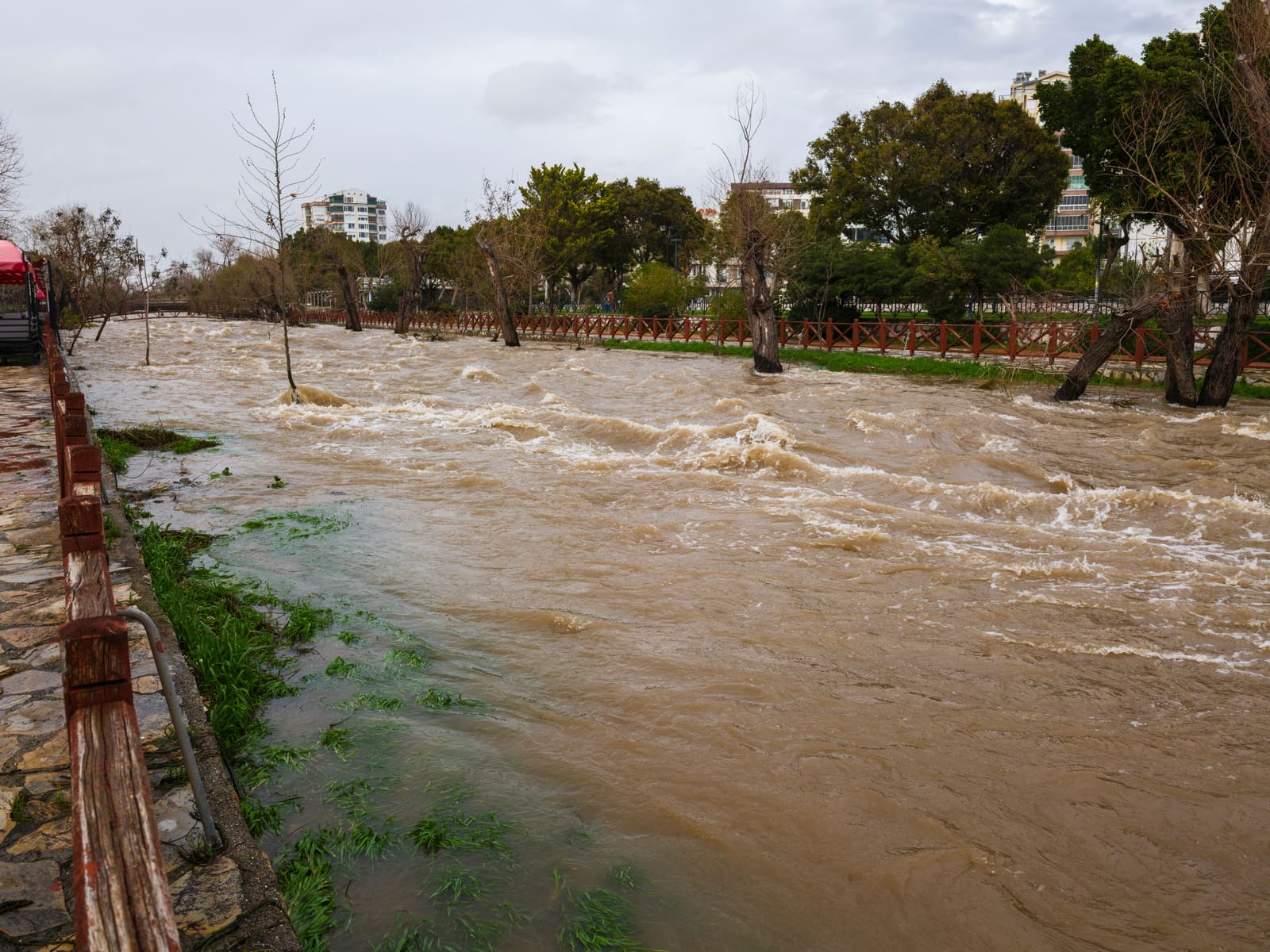
The downpour has transformed streets into waterways, with images showing vehicles submerged and debris accumulating on flooded roads. Homes and buildings have taken on water, schools have closed, and several routes have become impassable.
Istanbul Governor Davut Gül issued clear instructions to residents and visitors: "Avoid going outside unless absolutely necessary, and refrain from driving your private vehicles. Do not stay in basement levels or areas at risk of flooding; stay away from puddles, stream beds, and underpasses prone to flooding."
Transport Systems Recovering, but More Rain Expected
The city's deputy mayor, Nuri Aslan, described the rainfall as among the heaviest in recent years. Public transport has gradually resumed, with the M9 metro line and T1, T3, and T5 tram lines back in operation. Crews continue clearing roads, though Aslan urged people to avoid risky areas and roads closed to traffic.
The disruption is far from over. Turkey's State Meteorological Service warned that while Thursday's heavy rain was expected to ease by evening, a fresh system would arrive Friday morning. Northern districts on Istanbul's European side and eastern Kırklareli are forecast to see particularly intense rainfall from Friday night through Saturday, 17 October.
The meteorological service cautioned that the new rain system carries risks of floods, lightning, and landslides, urging authorities and residents to take precautions while the city is still recovering from the initial deluge.
Flight Disruptions Continue
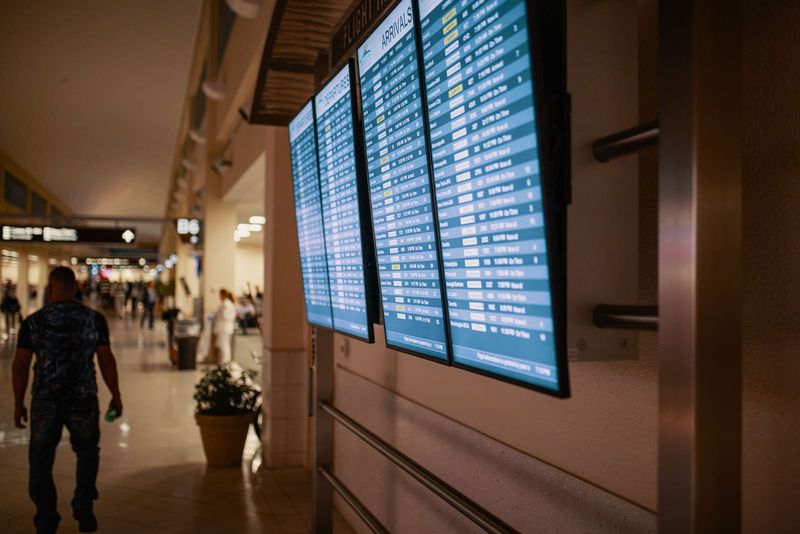
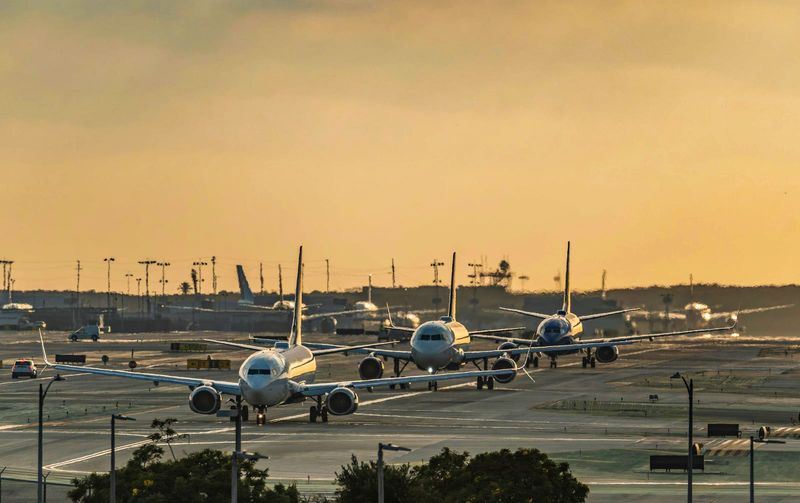
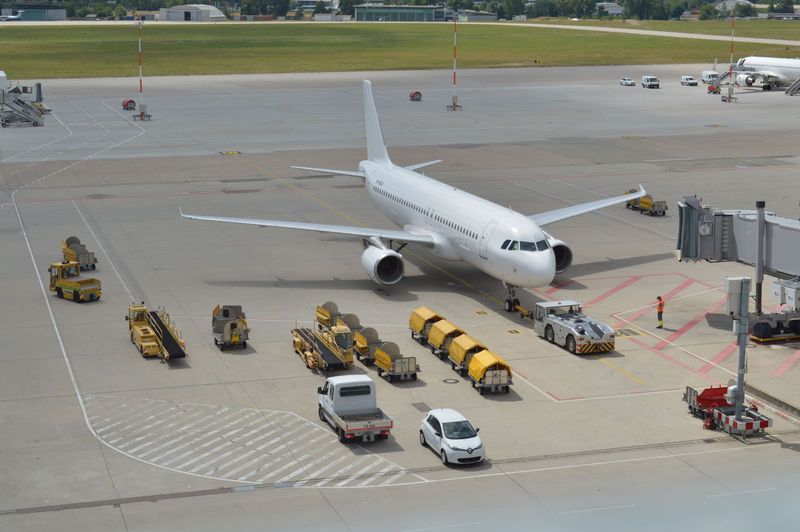
Air travel has been significantly affected. By mid-afternoon Thursday, 41 flights at Istanbul Airport had been cancelled, with more than 556 delayed, according to flight-tracking data. The city's secondary hub, Sabiha Gökçen International Airport, saw 12 cancellations and 272 delays. The situation was worse on Wednesday, with 89 combined cancellations and over 1,000 delays across both airports.
If your flight is cancelled and you're departing from the UK or arriving in the UK or EU on a UK or EU airline, carriers must provide care and assistance under UK passenger rights regulations. That typically includes meals, refreshments, and accommodation if an overnight stay becomes necessary.
What Official Guidance Says
The UK Foreign Office updated its travel advice to warn of the heavy rainfall and resulting floods. It recommends monitoring local media and following instructions from Turkish authorities, including any evacuation orders.
Crucially, the Foreign Office has not advised against non-essential travel to Turkey. That distinction matters for insurance and cancellation policies. Without a formal warning against travel, most holiday providers are under no obligation to offer refunds if you choose to cancel, and standard travel insurance won't cover claims based solely on safety concerns.
Some travel insurance policies do include natural-disaster cover that may apply if an event physically prevents you from reaching your destination. The specifics vary by insurer, so it's worth checking your policy wording and speaking directly with your provider if you're uncertain about your options.
Balancing Caution with Context
Istanbul draws millions of visitors each year to its bazaars, hamams, and layered architectural heritage spanning Roman, Byzantine, and Ottoman eras. The city is accustomed to handling large numbers of travellers, but the current weather system is testing that infrastructure.
For those already in Istanbul, the immediate advice is straightforward: stay indoors unless travel is essential, avoid flood-prone areas such as basements and underpasses, and keep clear of standing water. Emergency services can be reached by calling 112.
For those planning to travel in the coming days, the picture is more complicated. The forecast suggests heavy rain will persist through the weekend, and the city is still clearing debris and restoring full services after the first wave of flooding. Roads remain partially blocked, and further flight disruptions are likely if conditions worsen as predicted.
The absence of a formal travel warning doesn't mean conditions are normal. It means the situation doesn't yet meet the threshold for official restriction, but travellers still need to make informed decisions based on current weather forecasts, transport updates, and their own tolerance for disruption. Monitoring local announcements and staying flexible with plans will be essential for anyone heading to Istanbul in the next few days.