Frustration Builds at Border Checkpoints
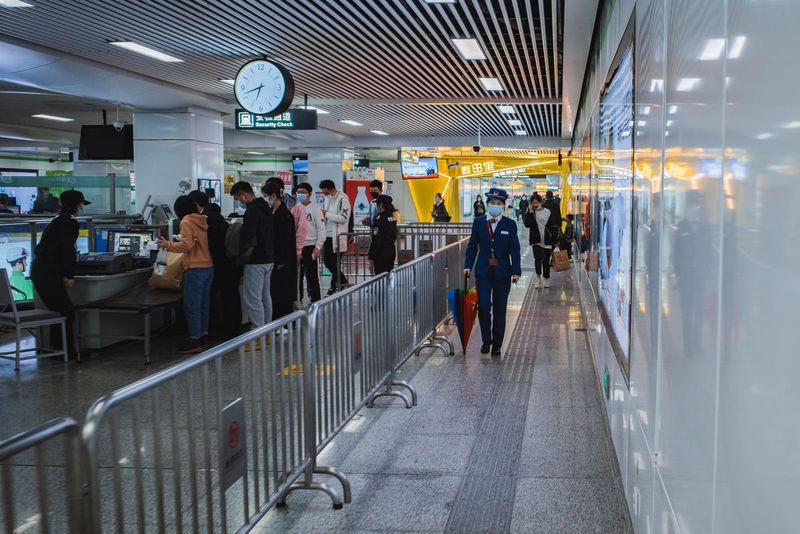
The European Union's Entry/Exit System is not working as promised, according to airport and airline trade bodies now pushing for urgent reforms. Six months after the border control framework rolled out across the Schengen Area, passengers at major hubs continue to face waits stretching up to five hours during peak periods.
ACI Europe and Airlines for Europe issued a joint statement calling the situation more than teething troubles. The system, which requires visitors from outside the EU to register passport details, facial scans, and fingerprints on arrival, was designed to improve security and track movement across the bloc. But the groups say severe congestion persists despite efforts by border authorities and airports to manage the flow.
The delays are placing strain on border guards, airport staff, and airline crews alike. Passengers describe confusion and exhaustion after hours spent in queues, and the operational burden has grown heavier as travel volumes return to pre-pandemic levels.
What the Numbers Show
The system has processed nearly 230 million entries and exits since implementation, according to EU Migration Commissioner Magnus Brunner. Authorities have refused entry to 80,000 arrivals, including 2,000 flagged for security concerns. Those figures suggest the EES is fulfilling its security mandate, at least in part.
But the operational cost is high. Temporary suspensions have been necessary at certain destinations when systems buckled under demand. The data storage component, which holds biometric information for up to three years or until a passport expires, functions as intended. The problem lies in the mechanics of registration at the border itself.
Where the System Falls Short
Industry groups point to several structural weaknesses. Border control staffing remains inadequate at many crossing points. IT systems underpinning the EES have experienced instability. Self-service kiosks and automated border control gates, meant to speed processing, are deployed inconsistently and used less than anticipated. The Travel to Europe pre-registration app, which was supposed to allow visitors to submit information ahead of arrival, offers limited functionality and has seen low uptake.
ACI Europe Director General Olivier Jankovec and Airlines for Europe Managing Director Ourania Georgoutsakou said in their statement that the promise of faster, more seamless travel remains unmet. They argue the time for managing symptoms is over and that decisive action is needed to fix structural problems.
A Six-Point Plan
The two organisations have proposed a detailed action plan. First, they want to eliminate what they call double verification, where data are checked more than once in the same journey. Second, they advocate optimising biometric verification processes to reduce time spent at each checkpoint.
The third proposal addresses duplicate EES profiles, which can occur when a traveller's data are entered more than once, creating confusion and delays. Fourth, the groups call for a rethink and upgrade of the Travel to Europe app and web portal to make pre-registration genuinely useful.
Fifth, they want accelerated and harmonised deployment of automated border control for third-country nationals, ensuring consistent standards across member states. Finally, they propose restoring the option to partially suspend the EES, specifically the registration of biometrics, during periods of excessive waiting times. This flexibility mechanism, they argue, should be permanent rather than ad hoc.
Brussels Pushes Back
Commissioner Brunner has resisted calls for major changes, telling journalists that responsibility for smooth implementation rests with EU member states. He noted that those governments agreed to the EES and had sufficient time to prepare.
That stance suggests limited appetite in Brussels for systemic intervention. Member states vary widely in resources, infrastructure, and border traffic volumes, and the Commission appears reluctant to impose one-size-fits-all solutions.
The disconnect between industry demands and official response points to a longer road ahead. Without coordination or willingness to adjust the framework, the disruption is likely to persist through the next travel season and beyond.
What It Means for Travellers
For now, anyone entering the Schengen Area from outside the EU should expect longer waits, particularly at busy airports and during peak travel periods. The variability between borders means experiences differ sharply. Some crossings have managed the transition more smoothly; others remain bottlenecks.
Pre-registration through the Travel to Europe app may help, though its current limitations mean the time saved is often marginal. Automated gates, where available, can cut wait times, but access is inconsistent.
The broader question is whether the system can be adjusted without undermining its security objectives. The data collected have already led to thousands of refusals, suggesting value in the framework. But if operational strain continues to mount, political pressure for change may eventually outweigh bureaucratic inertia.