A Different Kind of Border Queue
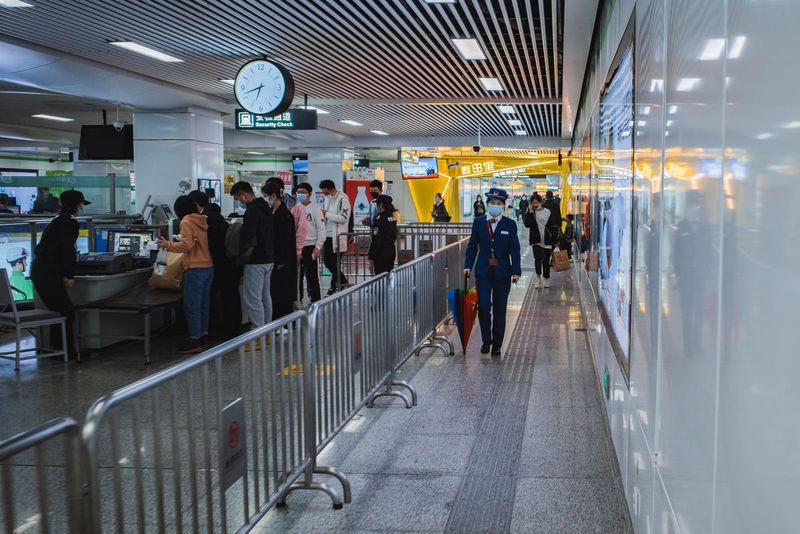
British passport holders returning home through select airports will soon keep their passports in their pockets. The UK Border Force is introducing what it calls "contactless borders," where facial recognition systems at e-gates replace the familiar routine of queuing, presenting a passport, and waiting for an officer's nod.
The technology is set to launch in autumn 2026 at Birmingham and East Midlands airports. If the trial runs smoothly, the system will expand to major hubs including Heathrow, Gatwick, Manchester, Edinburgh, Glasgow, Stansted, Luton, Bristol, Cardiff, London City, and Newcastle by early 2027, according to UK Border Force director Phil Douglas.
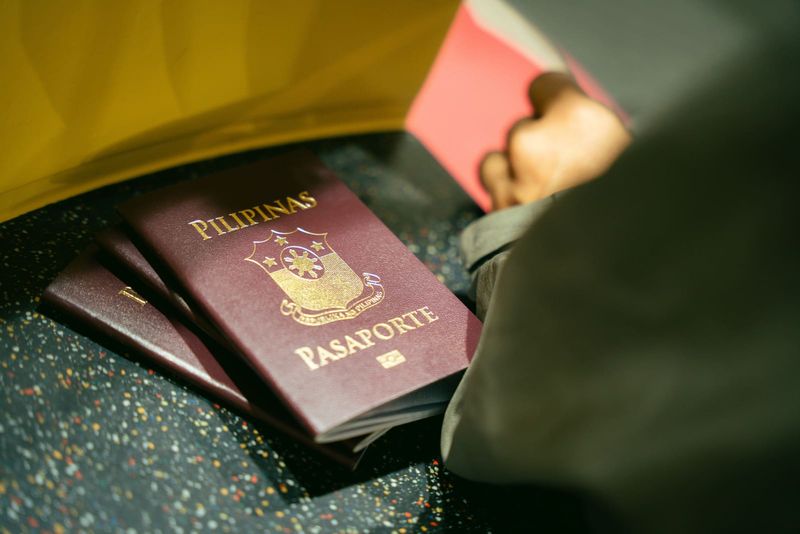
Travellers will still need to carry their passports when flying, but they won't have to produce them at the gate. Instead, cameras will match their face to the digital photo stored in their passport chip and to passenger data sent by airlines before departure. Anyone the system fails to recognise will be directed to a staffed desk for manual verification.
The Speed Argument
Douglas told media that the contactless system could cut border processing times by up to 25 per cent. "It will mean we have a more secure border and a much faster transit through the airport," he said. "It's quicker, it's more modern, it's more secure."
The shift also changes how border officers work. Rather than standing at fixed checkpoints, staff will be freed to move through terminal areas, focusing on crime prevention and safeguarding tasks. The Border Force frames this as a double win: shorter queues for passengers, more flexible deployment for officers.
Officials have hinted that the contactless gates could eventually be opened to travellers of other nationalities, though no timeline has been announced for that expansion.
Where the System Can Break Down
The technology depends on several links holding firm. Passport chips must be functional. Airlines must transmit accurate passenger photo data to border authorities ahead of travel. The facial recognition algorithm must correctly match a live face to stored images.
Any failure in that chain sends a traveller back to a human officer. And critics argue the system introduces new vulnerabilities. Privacy advocates point to the broader expansion of facial recognition across the UK, which already ranks among the most surveilled populations globally.
Big Brother Watch, a civil liberties group, has highlighted research showing facial recognition technology disproportionately misidentifies Black people, who account for 80 per cent of errors in some deployments. The UK's biometrics and surveillance camera commissioner has warned that the technology could expose the public to rights breaches and open police forces to legal challenges.
There's also the question of what happens when machines make mistakes. Anyone flagged incorrectly will face delays, and the system offers little recourse if errors become frequent or systematic.
A Global Trend, With Variations
The UK is not pioneering this approach. Similar passport-free entry systems are already operating at airports in Singapore, Abu Dhabi, and Dubai, where facial recognition has been integrated into border control for several years.
Those deployments have generally been received as efficiency gains, though they operate in regulatory environments quite different from the UK's. Singapore's system, for instance, is part of a broader national digital identity infrastructure, while Gulf hubs have used biometric gates to manage high volumes of transit passengers.
The UK's rollout will be watched closely by other European countries considering similar upgrades. If the system delivers on speed without triggering a backlash over privacy or accuracy, expect more airports to follow. If it stumbles, particularly on bias or data security, the contactless border may remain a niche experiment rather than a new standard.
What Travellers Should Know
For now, British passport holders flying into the UK should prepare for a gradual shift. The first contactless gates will appear at Birmingham and East Midlands later this year, with major airports joining in 2027.
Passports remain mandatory for international travel, even if you don't scan them at the gate. Keep your document accessible in case you're directed to manual verification. And if you're flying into one of the trial airports, expect some teething issues as staff and systems adjust to the new process.
The promise is a faster, smoother arrival. The trade-off is another layer of biometric data collection, with all the questions that raises about who holds that data, how it's used, and what happens when the technology fails.