A Simpler Entry Process
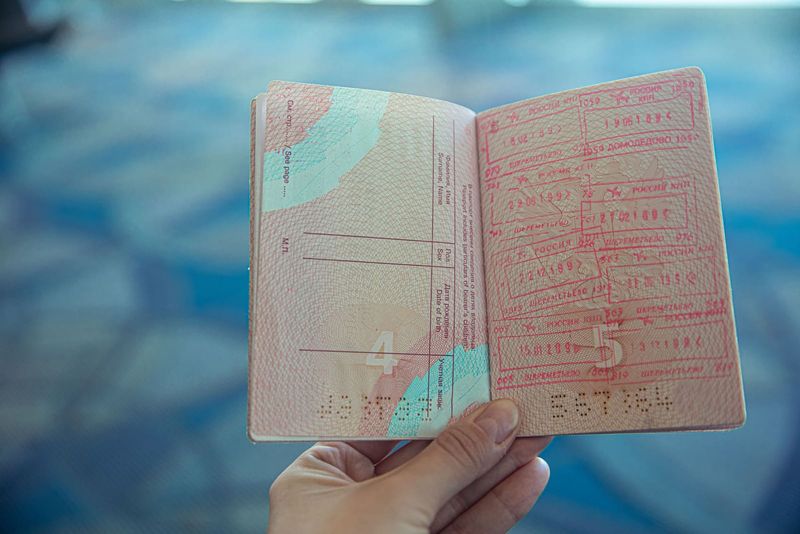
Since February 2026, British passport holders have been able to enter China for stays of up to 30 days without obtaining a visa in advance. The arrangement places the UK alongside 50 other countries, including European Union member states, that already enjoy similar access. Before this change, British visitors faced an application process and fees exceeding £100 for entry permission.
The removal of this administrative barrier represents a significant shift in accessibility for UK travellers. While the agreement has not yet been formally extended beyond 2026, the expectation among industry observers is that the arrangement will continue into the following year. For anyone who has weighed the cost and paperwork involved in securing travel documents, the difference is substantial.
Yet the absence of visa requirements does not translate to straightforward travel once inside the country. The practical realities of moving through China, particularly in provinces that see fewer international visitors, present a different set of obstacles that no border stamp can resolve.
The Digital Divide
China's internet infrastructure operates under a system commonly referred to as the Great Firewall, which monitors, filters, and in some cases blocks access to certain online content and platforms. For British travellers accustomed to seamless connectivity, this can come as a jolt. Applications that form part of daily routines back home, including WhatsApp and Gmail, may not function in parts of the country.
The issue extends beyond blocked services. Wifi connectivity itself can prove unreliable, with technical and practical barriers compounding the challenge. Travellers report varied experiences depending on location, but the common thread is that staying connected requires forethought rather than assumption.
An eSIM offers one solution. Services such as Airalo, Holafly, and Saily provide data coverage that bypasses some of the connectivity problems tied to local networks. For those without international roaming on their existing phone plans, an eSIM can be set up before departure and activated on arrival, offering a degree of independence from hotel wifi or public hotspots.
The Cash-Free Reality
China's economy has moved decisively towards digital payments, and in many areas cash has become almost obsolete. Two platforms dominate: WeChat and Alipay. Both are deeply embedded in daily transactions, from street food vendors to transport services, and travellers who arrive without them can find themselves at a disadvantage.
Setting up these apps requires some preparation. WeChat, in particular, functions as more than a payment tool; it is also a messaging platform, social network, and service hub. Alipay focuses more narrowly on transactions but is equally ubiquitous. Both apps can be linked to international credit cards, though the process is not always intuitive for first-time users.
Despite the prevalence of digital payments, carrying a small amount of cash remains prudent. Not every vendor accepts card payments, and in rural or less-touristed areas, cash can still be the default. The balance is in recognising that while China has leapfrogged much of the world in payment technology, the transition is not uniform across all regions and demographics.
Power Banks and Certification
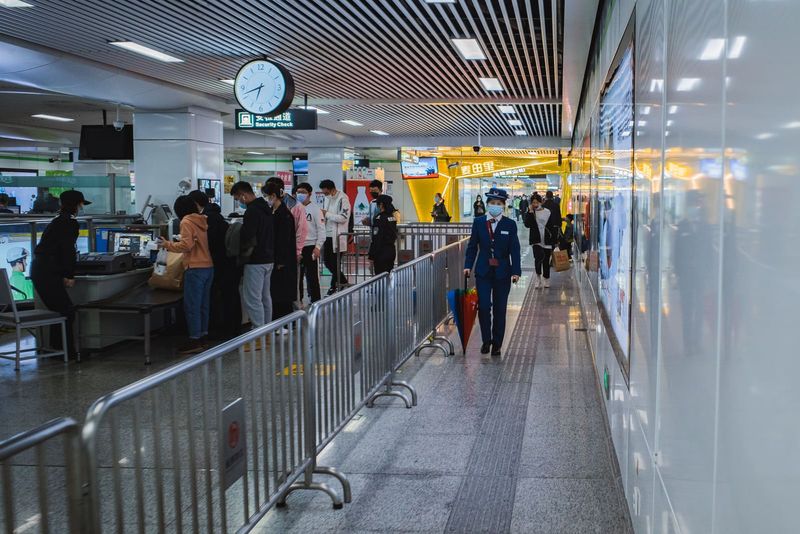
A less obvious but potentially frustrating issue involves portable chargers. China enforces a compulsory certification system, marked by the CCC or 3C logo, for electronic devices including power banks. Chargers that lack this certification are routinely confiscated at airports, often without warning.
For travellers who depend on portable power to keep devices running throughout long days of sightseeing or travel, losing a power bank at the departure gate can be more than an inconvenience. The solution is to check for the certification mark before packing, or to purchase a compliant device after arrival. It is a small detail, but one that can have outsized consequences.
Regional Variation in Tourist Infrastructure
The experience of travelling in China varies sharply depending on location. Cities such as Beijing, Shanghai, and Chengdu have developed infrastructure that accommodates international visitors, with English signage, multilingual services, and a higher density of travellers familiar with foreign customs. Provinces like Guizhou, by contrast, see far fewer international arrivals.
Guizhou is a region of dramatic landscapes: waterfalls, mist-covered mountains, bridges suspended above valleys, and villages where traditional crafts persist. It is also a place where local knowledge becomes essential. Navigating transport, finding accommodation, and communicating without Mandarin can be challenging without support.
Tour operators with experience in these less-visited regions can bridge the gap. Wendy Wu Tours, for example, specialises in China itineraries and has built a network of local guides and logistical support that independent travellers would struggle to replicate. The trade-off is between the flexibility of solo travel and the practical advantages of organised support in areas where language barriers and limited tourist infrastructure make self-navigation difficult.
The Value of Discomfort
Travel to China, particularly outside the major urban centres, demands a willingness to operate outside familiar systems. There are no instant translations for every sign, no guarantee that the apps on your phone will work, and no assumption that payment methods will be accepted everywhere. For travellers accustomed to the ease of European rail networks, budget flights across the continent, or the convenience of roaming agreements that make phones work seamlessly across borders, China presents a contrast.
That discomfort, however, is part of the value. The effort required to navigate unfamiliar systems, to communicate across language barriers, and to adapt to different technological ecosystems can sharpen the experience of a place. It forces engagement rather than passive consumption, and it reveals aspects of a destination that would otherwise remain hidden behind the convenience of frictionless travel.
The visa-free arrangement removes one layer of complexity, but it does not eliminate the others. What it does is lower the threshold for entry, making it easier for British travellers to decide to go. What happens after that decision is made remains a matter of preparation, patience, and a willingness to accept that not everything will work as it does at home.