Fewer Boxes to Tick
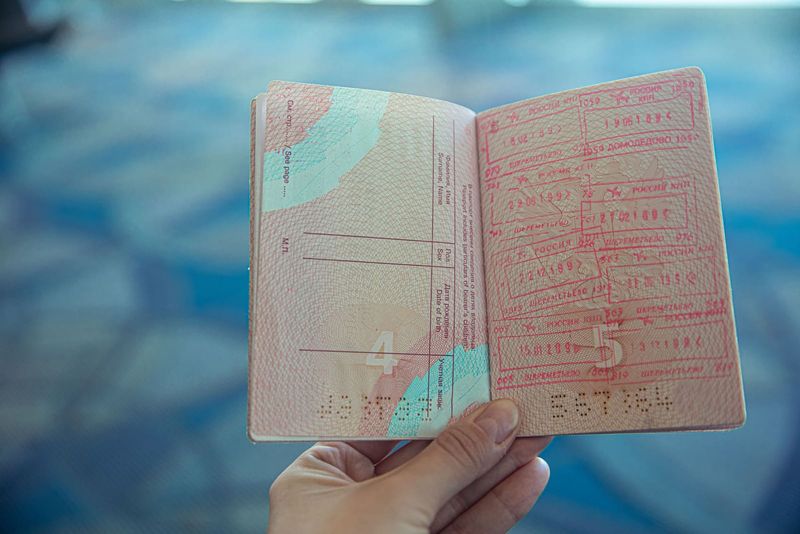
India's home ministry has announced a second round of visa simplification in just over a year, cutting the number of main visa categories from 13 to nine and reducing the information required on application forms by as much as 70 per cent. The revised system is expected to be operational by the end of 2026.
The ministry also trimmed sub-categories from 49 to 23, building on an earlier round of consolidation in October 2025. The changes are intended to make entry less cumbersome for foreign visitors, addressing longstanding criticism that the application process is unnecessarily complex for leisure travellers.
The Numbers Tell a Different Story
The timing reflects a deeper struggle. India received 9.2 million foreign tourists in 2025, a drop of 9.4 per cent from the previous year and roughly 16 per cent below the pre-pandemic peak of 10.9 million recorded in 2019. Those figures sit uncomfortably alongside the government's stated ambition to welcome 100 million visitors by 2047.
The gap between current performance and future targets is wide. Even if India were to recover to its 2019 level tomorrow, it would still need to multiply arrivals nearly tenfold over the next two decades to meet the 2047 goal. That kind of growth demands more than a streamlined application form.
What Visa Reform Actually Solves
Simplifying the visa process removes a genuine irritant. Travellers planning a holiday to India have long complained about the number of fields to complete, the documentation required, and the opacity of which category applies to their trip. Cutting the main categories by nearly a third and reducing form length by 70 per cent will make the initial hurdle lower, particularly for first-time visitors who might otherwise choose a destination with less administrative friction.
For business travellers and repeat visitors, the reduction in sub-categories from 49 to 23 should bring clarity. Fewer boxes mean fewer opportunities for applicants to select the wrong one and face delays or rejections. The changes signal that the government recognises the problem and is willing to act on it.
The Limits of Paperwork
Yet visa reform addresses only one layer of the challenge. A simpler application does not solve infrastructure constraints, inconsistent service standards, or the perception gaps that shape where people choose to travel. India competes for visitors not just with its immediate neighbours but with destinations across Asia and beyond, many of which have spent years refining both their entry processes and the on-the-ground experience that follows.
Thailand, for example, has long offered visa-free entry or visa-on-arrival to a wide range of nationalities, and it received more than 35 million international visitors in 2024. Vietnam has steadily expanded its visa exemptions and e-visa eligibility, contributing to a recovery that saw arrivals surpass pre-pandemic levels. Both countries have invested heavily in airport capacity, transport links, and tourism marketing alongside their visa policies.
India's visa overhaul is a necessary step, but it is not sufficient on its own. The country's tourism infrastructure varies widely by region. Major cities and well-trodden circuits have international-standard hotels and transport, but connectivity to secondary destinations remains patchy. Domestic air routes have expanded, yet rail and road journeys can be slow and unpredictable for visitors unfamiliar with the system.
Perception and Reality
Marketing also plays a role. India's tourism campaigns have emphasised cultural heritage and spirituality, which resonate with certain segments but may not capture the full range of experiences the country offers. Coastal states, mountain regions, and emerging food and design scenes receive less international attention than they might. The narrative around Indian tourism has been slower to evolve than the destination itself.
Safety perceptions, particularly among solo female travellers, continue to weigh on decision-making. While millions of visitors travel to India without incident each year, high-profile incidents receive disproportionate coverage and shape the conversation in key source markets. Addressing those perceptions requires sustained effort across law enforcement, tourism training, and public communication, none of which can be fixed by a visa form.
What Comes Next
The home ministry's changes are a signal of intent, but they leave the harder questions unanswered. How will India improve connectivity to destinations beyond the Golden Triangle? What investments are planned for tourism infrastructure in states that currently see few international visitors? How will the country position itself against competitors that offer similar cultural and natural assets with fewer logistical hurdles?
The 100-million target for 2047 is ambitious, and ambition has its place. But reaching it will require a strategy that goes well beyond making the first step easier. Visa reform clears one obstacle. The rest of the path remains to be built.