A Different Kind of Food Town
Ciutadella does not shout about its restaurants the way some Spanish cities do. There are no queues snaking around corners for pintxos bars, no crowds three-deep at counters. Yet the port town on Menorca's western edge has quietly assembled a dining culture built on the same principles that made other Spanish destinations famous: tight proximity between farm and kitchen, chefs who follow the seasons, and a willingness to use everything that arrives.
Three restaurants in the town centre hold recognition in the Michelin Guide, with four more in the surrounding area. The concentration is modest compared to cities with global reputations, but the approach is similar. Ciutadella participates in Menorca's Custòdia Agrària, a land stewardship programme that connects farms practising lower-impact agriculture with restaurants, shops and markets across the island. The result is a supply chain short enough that a lobster caught in the morning can appear in caldereta, the island's traditional seafood stew, by evening.
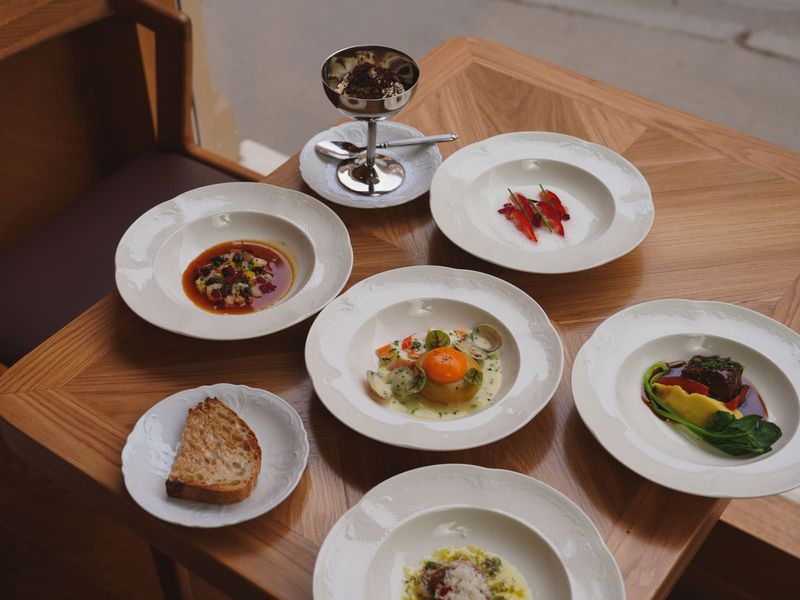
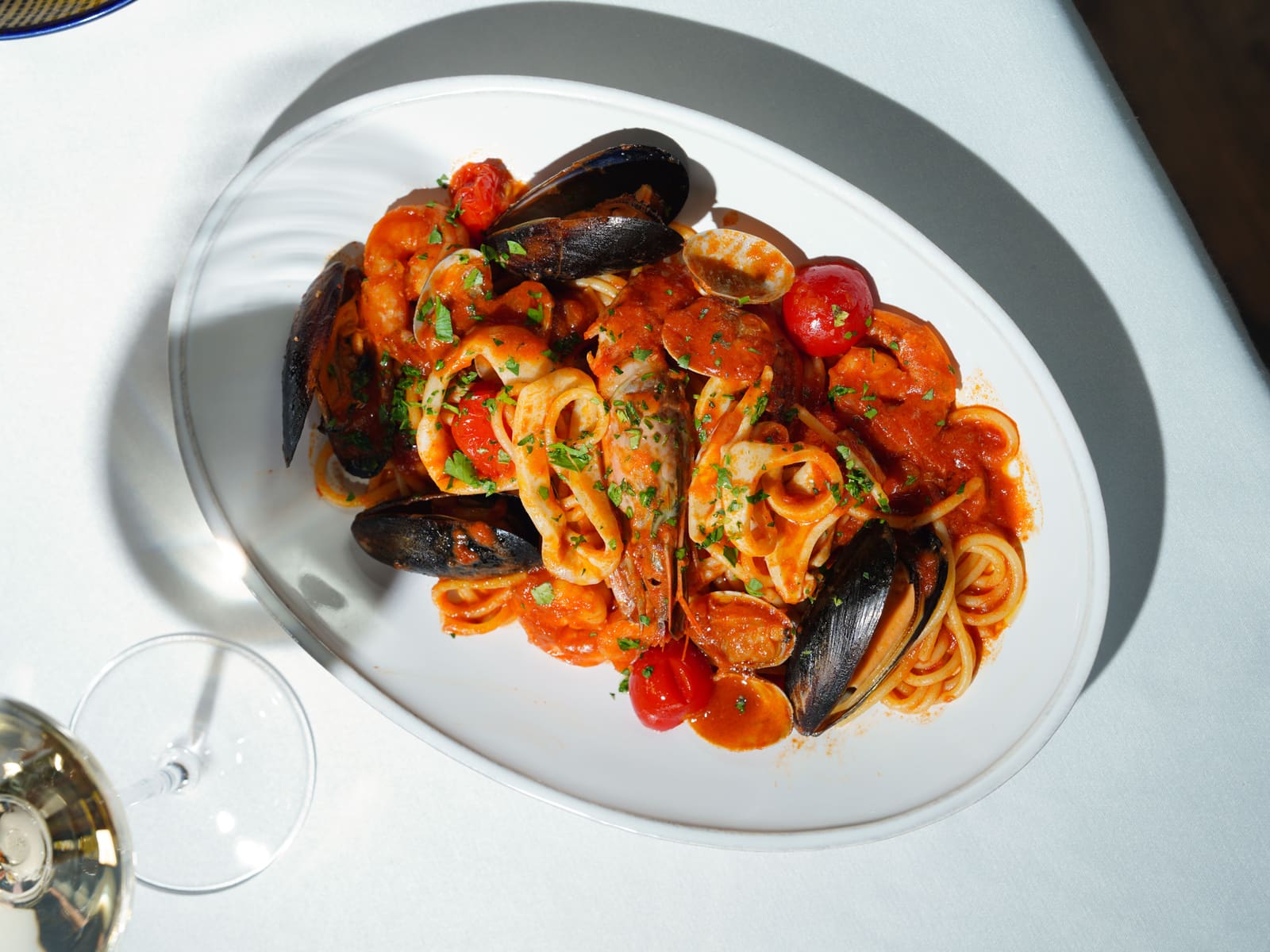
At Aquarium, a restaurant near the port, much of the seafood comes from Ciutadella's own fishermen. The kitchen works through each catch methodically, adopting what amounts to a nose-to-tail philosophy for fish. A single lobster might be divided across multiple dishes rather than served whole, reducing waste and allowing the kitchen to experiment with different preparations.
Mahón Cheese Meets Basque Tradition
The town's commitment to local ingredients shows up in unexpected places. Aquarium's Basque cheesecake, for instance, substitutes Menorca's protected Queso Mahón for the cream cheese typically used in the Basque Country. The designation requires that milk come from cows raised on the island, a rule that limits production but keeps the supply chain visible. The cheese brings a slightly sharper flavour to the dessert, cutting through the sweetness of the caramelised top.
The same restaurant won first prize for Spain's best bluefin tuna tapa at the 2023 GourmeTapa competition with a dish that layers unctuous tuna and guacamole into a crisp taco shell, finished with Japanese spices. It is the kind of cross-pollination that happens in cities with confident food scenes, where chefs borrow techniques from other traditions without losing track of their own.
Vegetables Take Centre Stage
Menorca's Mediterranean climate supports the kind of vegetable-forward cooking common along Spain's eastern coast. At Fang i Aram, a vegetarian restaurant near the waterfront, the menu runs to aubergine cannelloni with sweet potato sauce, courgette ravioli stuffed with cauliflower, and piquillo peppers filled with pea and spinach. The interior fills quickly at lunch, with diners seated on mismatched recycled chairs, a detail that signals the restaurant's broader approach to sustainability.
The emphasis on vegetables is not a niche concern here. It reflects the broader food culture of the Balearics, where produce plays a central role in daily cooking. Fang i Aram's menu changes with the seasons, a practice that keeps dishes tied to what is actually growing rather than what can be imported.
Fusion Without Fanfare
Katú de Smoix, a Mexican-Mediterranean fusion restaurant set up by the chef behind Smoix, one of Ciutadella's Michelin Guide entries, takes a similar approach to what some Basque restaurants have done with Latin American ingredients. The set menu includes corn fritters, fish ceviche, and green bean pasta served alongside seasonal fruit salad. Dessert arrives as tarta tres leches, the classic Mexican milk cake, rather than anything rooted in Spanish tradition.
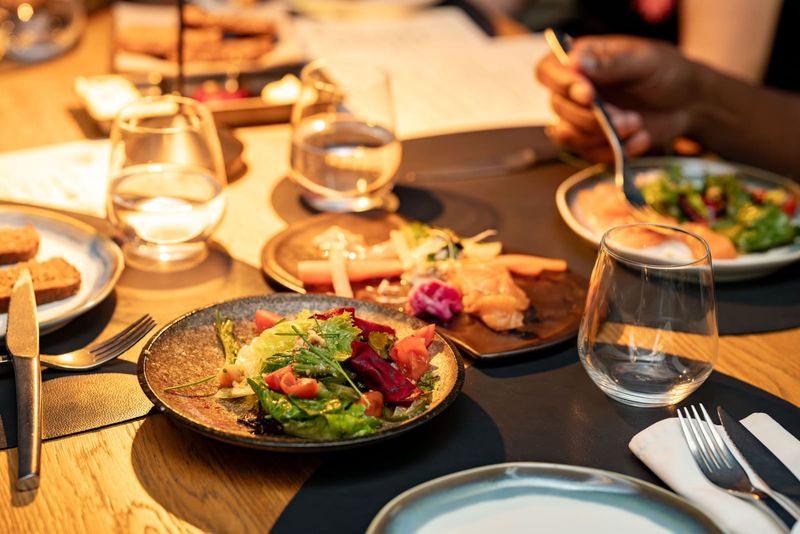
The cross-cultural borrowing works because the kitchen does not treat it as a gimmick. The dishes are straightforward, well-executed, and served without ceremony. On a warm autumn evening, diners spill onto the outdoor patio, sharing plates and staying late into the night, the rhythm of the meal falling into the same relaxed pattern found across much of Spain.
Fewer Visitors, Same Commitment
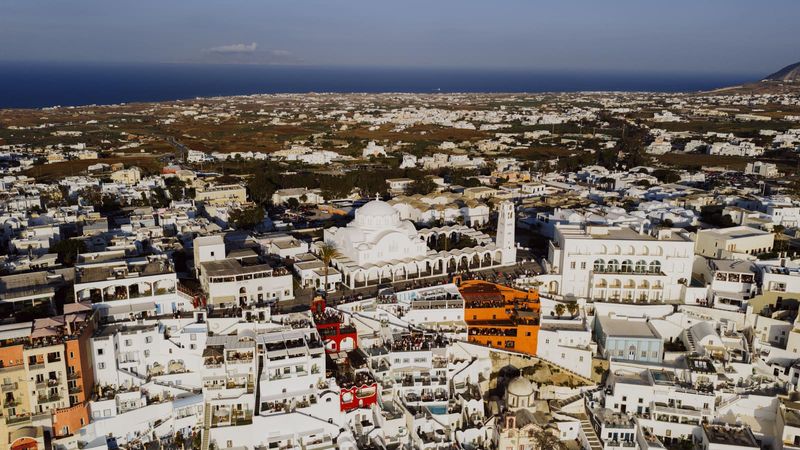
Ciutadella draws tourists, but not in the numbers that have made some Spanish food destinations difficult to navigate. The 14th-century Gothic cathedral, built on the site of a former mosque, sees a steady stream of visitors during the day, and groups linger over coffee and tortillas at pavement tables near the waterfront. Yet the town does not feel overwhelmed. It is possible to walk through the centre at noon without fighting through crowds, a contrast to cities where popularity has begun to strain infrastructure.
The town's food scene benefits from that relative quiet. Restaurants are busy, but not impossible to book. Chefs have room to experiment without the pressure to scale up or replicate success elsewhere. The result is a dining culture that feels sustainable, both in terms of sourcing and in terms of the experience itself.
Getting There and Around
Mahón, Menorca's capital, sits roughly 50 minutes by car from Ciutadella. Direct flights from London start at £41 return, with seasonal routes from Manchester, Birmingham, Bristol, Edinburgh, Glasgow, Liverpool, Newcastle, Leeds Bradford, East Midlands, Bournemouth and Belfast. From Mahón Airport, the number 10 bus runs to the bus station for €2.80, followed by the L01 bus to Ciutadella for €5.75. The total journey takes approximately 90 minutes, depending on connections. A prebooked private transfer costs around €57 one way and cuts the journey to 50 minutes.
Accommodation in the town starts at roughly £61 per night for a double room, with options within walking distance of the cathedral and the port. The compact size of the centre makes it easy to move between restaurants on foot, and most dining happens within a few blocks of the waterfront.