A River That Changed Drinking
The Detroit River looks placid now, with cyclists on the waterfront trail and tour boats idling between the city and Windsor, Ontario. A century ago, this narrow stretch of water moved contraband on an industrial scale. Historians reckon three-quarters of illegal alcohol entering the United States during Prohibition flowed across this border, much of it in Ford Model Ts light enough to drive over winter ice.
Michigan banned alcohol in 1918, nearly two years before the rest of the country, giving local smugglers time to refine their trade. By the time national Prohibition arrived in 1920, Detroit had the infrastructure, the geography and the vehicles to become America's unofficial front door for Canadian whisky. The city earned a nickname that predated Motown or the motor industry: Whiskeytown.
That trade left a mark on how the city drinks. Around 15,000 unlicensed drinking dens operated behind barber shops, warehouses and unmarked doors during the 1920s. Locals called them Blind Pigs. Many of Detroit's best bars still use that playbook, hiding behind service lanes and concealed entrances that would have made perfect sense to their Prohibition-era predecessors.
Engineering and Crime
Henry Ford built a car that bootleggers loved, though he never intended to. Ford himself abstained from alcohol and promoted discipline and efficiency. The Model T, meanwhile, became the smuggler's vehicle of choice. Its dependable engine handled rough roads and bitter winters. Its relatively light weight meant it could cross the frozen Detroit River without breaking through the ice.
The Henry Ford complex in Dearborn, 12 miles west of downtown, still runs 13 Model Ts from the 1920s. They ferry visitors around Greenfield Village, where Edison's laboratory and the Wright brothers' bicycle shop have been relocated and rebuilt. A century ago, identical vehicles were ferrying whisky.
Ford's reputation attracted other admirers. The museum holds a letter from Clyde Barrow, half of the Bonnie and Clyde duo, praising the quality of Ford's cars. Barrow acknowledged that his business was not strictly legal but felt compelled to write anyway. The endorsement never made it into Ford's advertising.
Bars That Remember
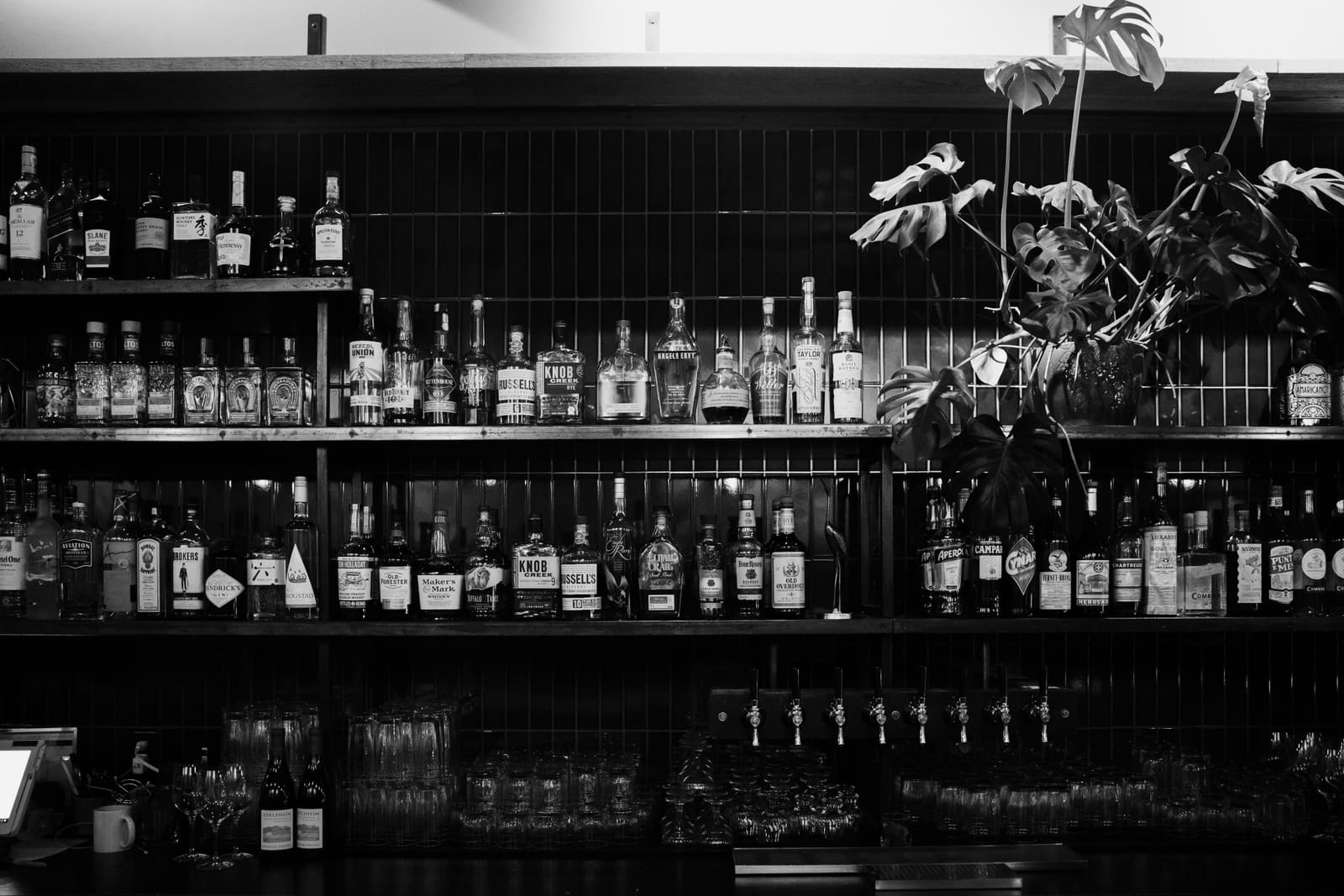
Bad Luck sits behind an anonymous metal door in a downtown service lane, marked only by a painted snake. Inside, the atmosphere shifts: dark walls, low lighting, a tall back bar. A bartender named Robert serves cocktails with flourishes that include spraying perfume on the back of a guest's hand to open up the palate. The ritual works.
Speakeasy-style bars exist in many cities, but in Detroit they connect directly to local history rather than borrowed aesthetics. Café D'Mongo's, a Black-owned establishment, has family ties to the Prohibition trade. Owner Larry Mongo's relatives ran Blind Pigs and moved liquor during the 1920s.
In Corktown, Detroit's oldest neighbourhood, Sugar House takes its name from the concealed storage levels bootleggers used to stash alcohol. The bar occupies a handsome brick building on Michigan Avenue, the artery linking downtown with Corktown. On a weekday evening, every seat is filled. The menu ranges from classic cocktails to a Midnight Munchies section inspired by taco trucks and sweets.
The conversation often drifts to local lore. Staff point towards Michigan Central Station, visible through the window, and mention rumours of a tunnel to Canada built for bootleggers. No one has found it, but the station itself has a verified history. Once the city's grand gateway, it closed in 1988 and sat abandoned for decades. Detroit lacked the funds to demolish it. Ford purchased the building in 2018, and restoration crews spent two years pumping millions of litres of water from flooded lower levels. The station reopened with cafes, exhibitions and co-working spaces. Some graffiti from its abandoned years remains on the walls, a deliberate reminder that the city's trajectory includes both decline and recovery.
Drinks With Local Roots
Detroit's cocktail menus carry a sense of humour. The IO Godfrey serves a Second Bridge Sour, a reference to a long-delayed second crossing into Canada. Willow, a Black-owned bar, adds pecan syrup to an Old Fashioned for a southern twist.
The city's most significant cocktail contribution predates Prohibition. The Last Word appeared on the Detroit Athletic Club's menu in 1916, then vanished for decades before being rediscovered during the modern craft cocktail revival. The Shelby serves it in a former bank vault, one of Detroit's most atmospheric drinking rooms. Guests enter through a concealed doorway behind a mock cafe, then walk through enormous circular vault doors into low-lit spaces. The location would have appealed to bootleggers, who were skilled at repurposing private spaces.
What Remains
Detroit's talent for giving old buildings new functions extends beyond bars. Michigan Central Station, once a symbol of urban decay, now hosts co-working spaces and exhibitions. The riverfront, once a crime scene, is now a public park with a five-mile trail. Speakeasies that once concealed illegal activity now welcome guests looking for atmosphere and well-made drinks.
The bootlegging era ended nearly a century ago, but its influence persists in the city's approach to hospitality. Hidden doors, repurposed buildings and a willingness to experiment with what already exists all trace back to the years when proximity to Canada and a reliable car turned Detroit into America's bootlegging capital. Some journeys across the river have simply become easier to explain.