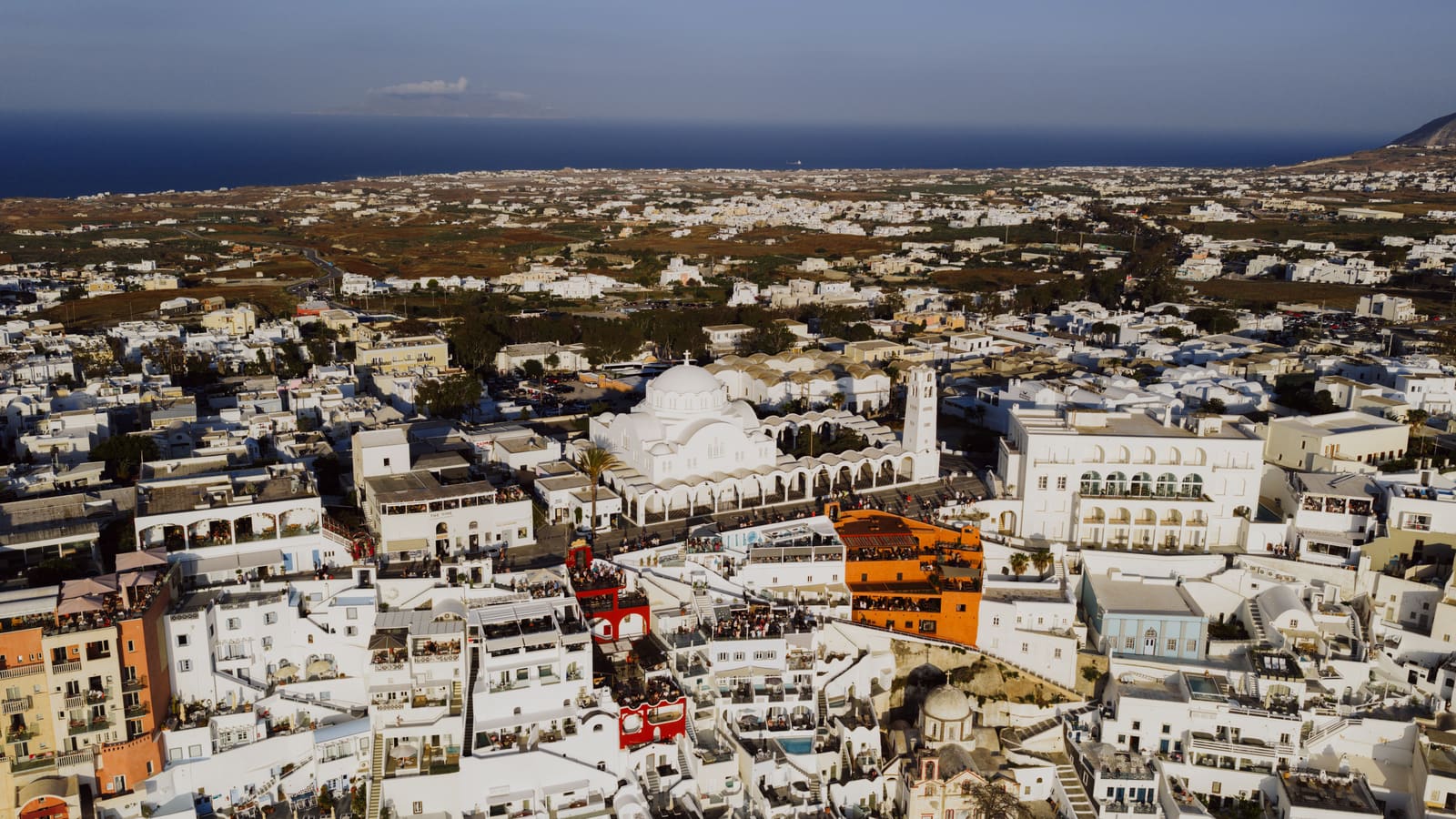
A Push Beyond Peak Season
Santorini is working to reposition itself as a destination that offers more than summer sunsets. The Greek island, long synonymous with whitewashed villages and caldera views, is now emphasising its culinary scene and wine culture in an effort to attract visitors during spring and autumn.
Nearly half of Santorini's international air arrivals typically occur in July and August, a concentration that puts pressure on infrastructure and limits economic benefits to a narrow window. Addressing that imbalance has become a stated priority for Greek tourism officials.
In October, the Greek National Tourism Organisation held a forum on Santorini and Mykonos aimed at broadening the cultural profile of both islands and diversifying what they offer visitors. Andreas Fiorentinos, the organisation's secretary general, said the goal is to ensure tourism success extends across all seasons and reaches every part of the country.
Food and Wine as the New Draw
A digital campaign featuring 32 short videos is planned, showcasing pottery classes, cooking demonstrations, cultural events and food production. The initiative is designed to expand Santorini's international image beyond its iconic blue-domed churches and clifftop views.
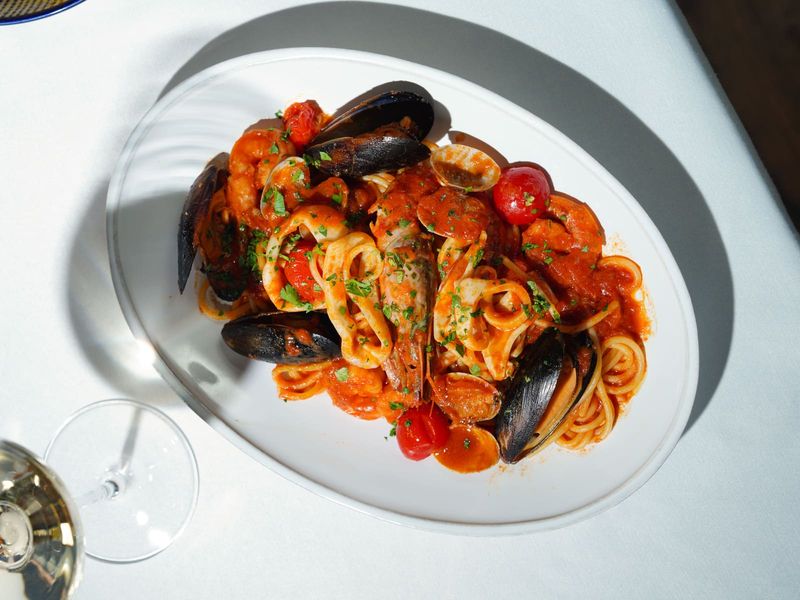
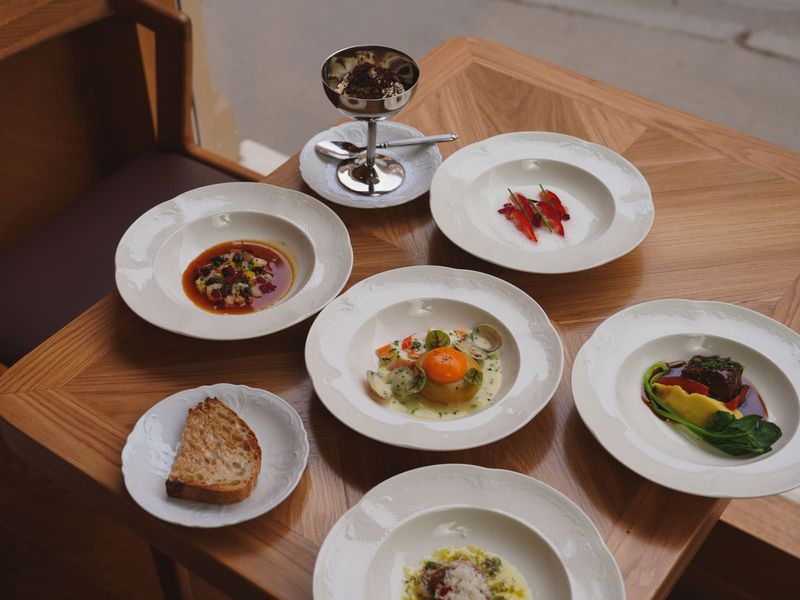
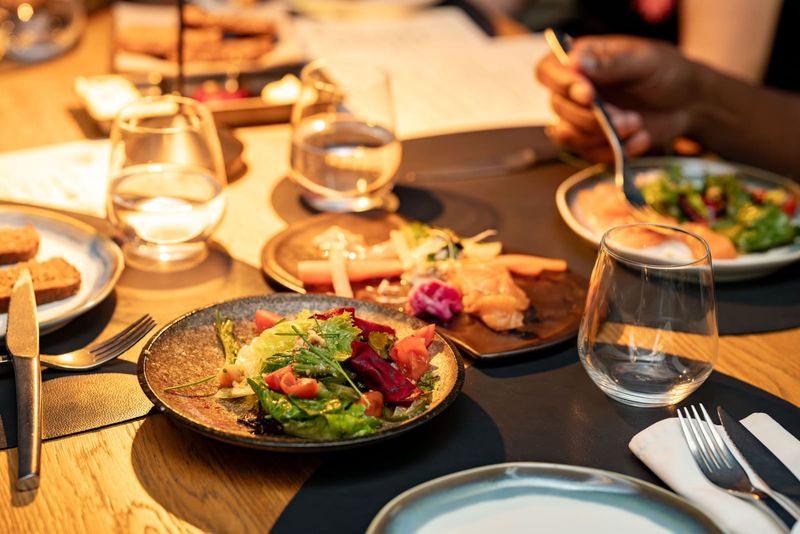
The timing coincides with the Michelin Guide's first foray into Santorini. On 20 October, four restaurants on the island received stars: Lycabettus earned two, while Lauda, Botrini's Santorini in Oia, and Selene in Fira each received one. The recognition marks a formal acknowledgement of the island's culinary ambitions and gives it a credential that resonates with a different segment of travellers.
The Michelin Guide noted that Santorini's cuisine is shaped by volcanic soil and the surrounding Aegean Sea. Local ingredients such as cherry tomatoes, yellow fava and assyrtiko wines define a cooking style that prioritises clarity of flavour and a connection to place. The guide described the island as appealing to visitors seeking authenticity, dramatic landscapes and food that values simplicity, freshness and quality produce.
The Wine Advantage
Santorini already has a foothold in the wine world. Its basket-trained vines, known as kouloura, and the indigenous white grape assyrtiko have built a reputation among wine enthusiasts. The volcanic terroir produces wines with a distinctive minerality and acidity, qualities that have attracted attention from sommeliers and collectors.
That existing wine profile gives the island a platform to build on. Wine tourism tends to draw visitors outside high summer, when harvest activity and cooler weather make vineyard visits more comfortable. Pairing wine with a growing roster of high-end restaurants creates a narrative that extends beyond beach season.
The Infrastructure Question
Expanding the season requires not just marketing but also logistics. Air connectivity plays a role. Wizz Air launched a twice-weekly summer service from London Gatwick in July, operating on Wednesdays and Sundays. Jet2 is scheduled to add flights from Leeds Bradford in 2027.
These routes reflect demand but also reinforce the summer pattern unless they extend into shoulder months. The success of a year-round strategy will depend in part on whether airlines see enough demand to operate outside the traditional window, and whether hotels, restaurants and tour operators remain open to serve visitors who arrive in April or October.
What Shoulder-Season Tourism Means
Spreading arrivals more evenly across the calendar has economic and social implications. For residents and businesses, a longer season can mean steadier income and less reliance on a frantic two-month period. It can also reduce the strain on water supplies, waste systems and roads that occurs when visitor numbers peak.
For travellers, the trade-off is weather. Spring and autumn offer milder temperatures and fewer crowds, but swimming conditions are less reliable and some beach-oriented services may be limited. The appeal of a culinary-focused visit is that it does not depend on beach weather, making it a better fit for those months.
A Model for Other Islands
Santorini's effort is part of a broader conversation in Greece about how to manage tourism. The country has seen visitor numbers grow steadily, and popular islands face questions about capacity and quality of life for residents. Mykonos, which shares some of the same challenges, was included in the October forum for similar reasons.
Fiorentinos described both islands as global brands with more stories to tell. That framing suggests an awareness that brand strength alone is not enough; the content of the visit needs to evolve to sustain interest and manage pressure.
Other Mediterranean destinations have pursued similar strategies, with varying results. Malta, Cyprus and parts of Spain have promoted cultural and culinary offerings to extend their seasons. Success tends to depend on the depth of the product, the consistency of messaging and the willingness of the local industry to invest in off-season operations.
The Risk of Over-Promising
One challenge is ensuring that the experience matches the marketing. A Michelin star or a well-produced video can raise expectations, and visitors who arrive in November expecting the same energy and options as August may be disappointed if restaurants are closed or activities are limited.
The digital campaign and restaurant recognition are tools, but they need to be supported by a functioning ecosystem: open hotels, available transport, trained staff and a critical mass of activity. Building that takes coordination across public and private sectors, and it requires patience.
What Comes Next
The October forum and the Michelin announcement signal intent, but the real test will be whether visitor patterns shift in measurable ways over the next few years. If spring and autumn arrivals grow as a share of the total, and if businesses find it viable to stay open longer, the strategy will have gained traction.
For now, Santorini is making a case that it has more to offer than a summer postcard. Whether that case persuades enough travellers to visit outside peak season will depend on execution, infrastructure and the island's ability to deliver an experience that justifies the trip when the weather is less certain and the crowds have thinned.