A Grocer That Outlasted Seven Decades
Corti Brothers sits in Sacramento, surrounded by farmland that supplies more than 150 crop varieties from over 1.5 million acres in the Central Valley. The shop opened in 1947 under brothers Frank and Gino Corti; today it is run by Darrell Corti, Frank's son, who is 84 and still wears a suit to work.
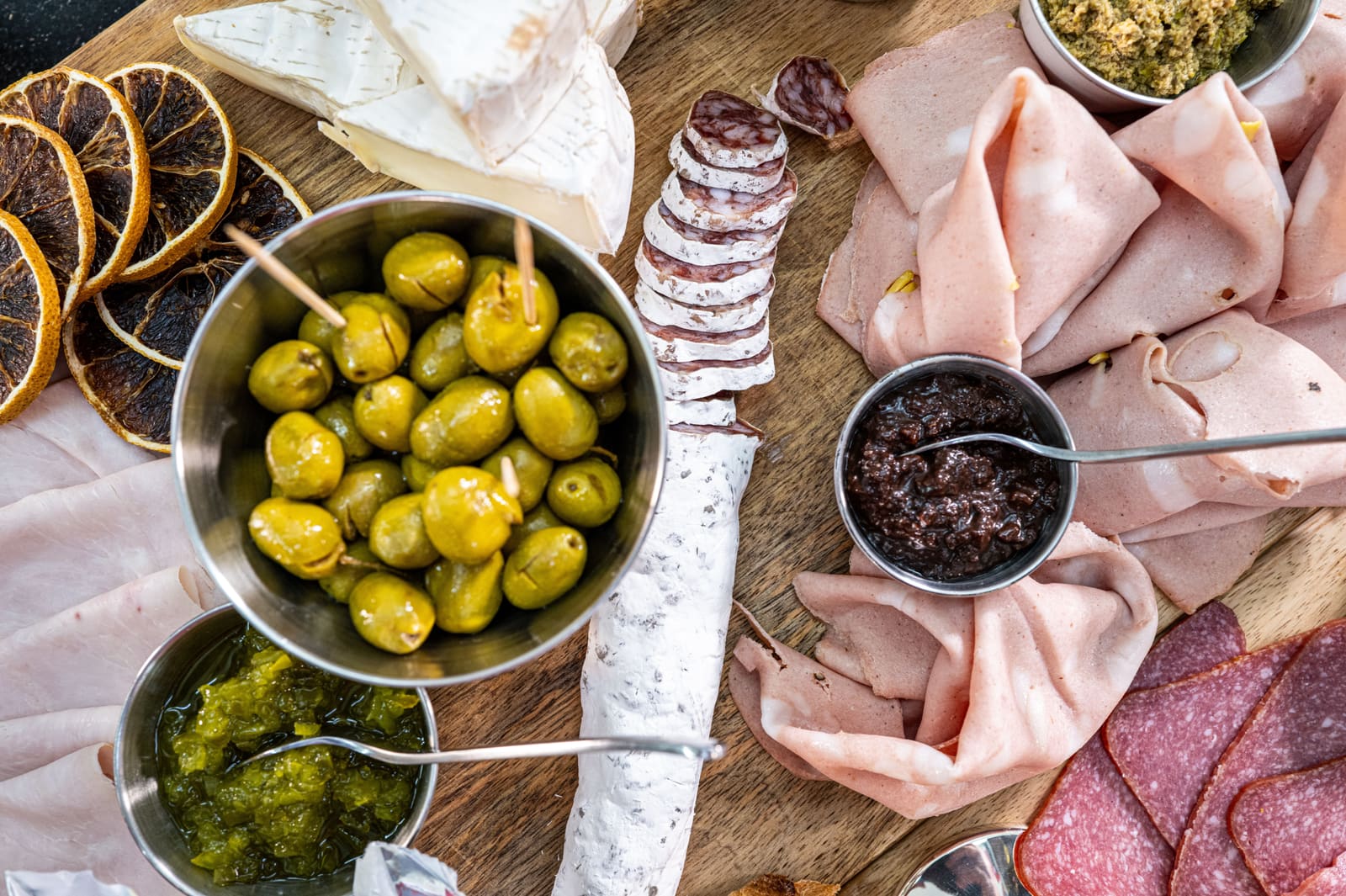
The store stocks balsamic vinegar priced at 500 US dollars and whiskey made in collaboration with Van Winkle. On Wednesdays, staff make fresh ravioli in the back room. But what has drawn attention recently are the sandwiches from the deli counter. Customers write their orders on paper, choosing meat, cheese, bread and salad, though the house combinations exist for a reason. The Corti Special, named after the family, is built on decades of knowing what works.
Darrell Corti selects products for their quality, not their packaging. Many items on the shelves were developed with his input, a reflection of his long career in food and wine. The shop is not designed for tourists, yet it has started appearing in online discussions about places worth visiting for what they sell, not what they look like.
Why People Travel to a Farmers' Market
Davis Farmers' Market, half an hour west of Sacramento, has operated twice weekly since 1976. It draws more than 25,000 visitors each month, many of whom are not local. The produce is grown nearby, and several stalls have built reputations that extend beyond the region.
The popsicle stand offers flavours such as lime and avocado or Thai tea sweet potato, made from ingredients bought at the same market. A few stalls down, Guilty Pleasures Pantry sells bread baked by one person, Joe, who produces over 400 loaves the night before each market day. His granola has also developed a following.
Markets like this one provided the original model for stores such as Erewhon in Los Angeles, which repackaged the farmers' market aesthetic for a wealthier, more urban clientele. But the Davis market remains closer to its agricultural roots, both in price and in the directness of the supply chain.
The Broader Shift
Visiting supermarkets, delis and food markets whilst travelling is not new, but the intent behind it has shifted. What was once incidental - picking up snacks, checking local prices - has become, for some, a primary reason to visit a city. Sacramento markets itself as the farm-to-fork capital of the United States, a claim tied to its proximity to one of the world's most productive agricultural regions.
The city benefits from this geography in ways that are hard to replicate. Freshness is measured in hours, not days, and variety is tied to what grows within driving distance rather than what can be shipped in. For travellers interested in food systems rather than just meals, that proximity matters.
The appeal is not limited to California. Grocery tourism, as it is sometimes called, reflects a wider curiosity about how food is grown, sold and eaten in different places. It also reflects a willingness to spend time - and money - on experiences that are mundane for residents but revealing for outsiders.
What It Means for Smaller Cities
Sacramento is not a typical tourist destination. It does not have the beaches of Los Angeles or the density of San Francisco. But it has farmland, a long-established food culture and a handful of businesses that have been doing the same thing well for decades. That combination has started to draw a different type of visitor.
This trend benefits cities that might otherwise struggle to compete for attention. A strong food scene, particularly one tied to local agriculture, offers an alternative to the usual list of museums and landmarks. It also creates demand for businesses that were never designed to serve tourists, which can be both an opportunity and a challenge.
For now, Corti Brothers remains a working grocery store, and the Davis market serves the people who live nearby. But as more travellers plan trips around where to shop rather than what to see, those distinctions may matter less.