A Different Rhythm
Noma's reopening brings one immediate structural change: the menu now rotates every month instead of quarterly. That compression means diners encounter a tighter window of whatever Danish waters, forests and farms are yielding at that moment, and the kitchen must turn over ideas faster than it did under the old seasonal model.
The shift reflects both ambition and practicality. Monthly cycles let the restaurant respond to fleeting ingredients that a three-month rotation would miss entirely, but they also demand a different pace from the brigade. Where the previous format allowed refinement over weeks, the new cadence requires the team to concept, test and execute dishes in shorter bursts.
Pablo Soto now leads the kitchen. He joined Noma as an intern in 2012 and has spent more than a decade inside its system. His promotion signals continuity in technique but also, he insists, a departure in tone. In public remarks around the reopening, Soto described the moment not as a restoration but as the start of something distinct from what came before.
The Kitchen Culture Question
Copenhagen's restaurant scene has spent years reckoning with the culture that accompanied its rise to global attention. Noma sat at the centre of that conversation, praised for culinary innovation whilst facing scrutiny over working conditions, unpaid stages and the intensity expected of its staff.
The restaurant now says it has introduced better hours and welfare provisions, though specifics remain thin in public statements. During service, the kitchen's energy is still high; the frequent chorus of "yes chef" still punctuates the room. Whether the changes run deeper than scheduling adjustments is harder to gauge from the dining side of the pass.
Several staff members mentioned long tenures at the restaurant when speaking with diners, a point that suggests either loyalty or the gravitational pull of a name that still carries significant weight on a CV. The question of whether Noma has genuinely shifted its internal culture, or simply adjusted its public messaging, will be answered over time by those who work there rather than those who eat there.
What Arrives on the Plate
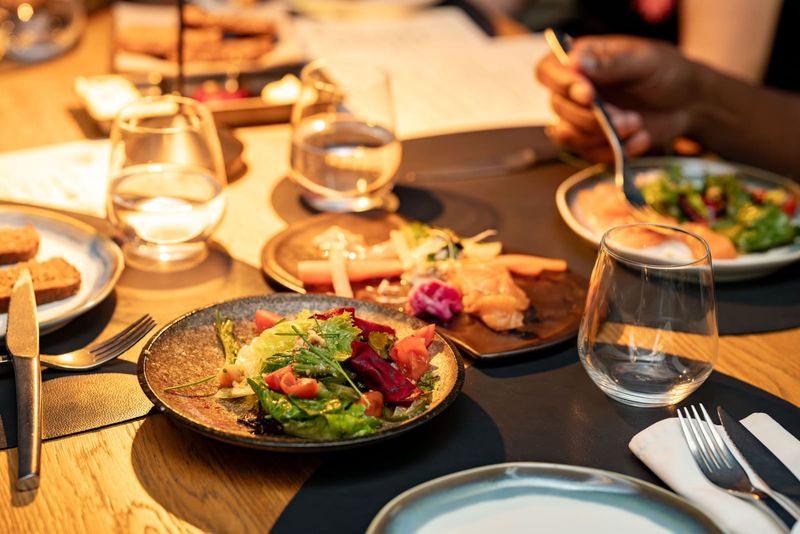
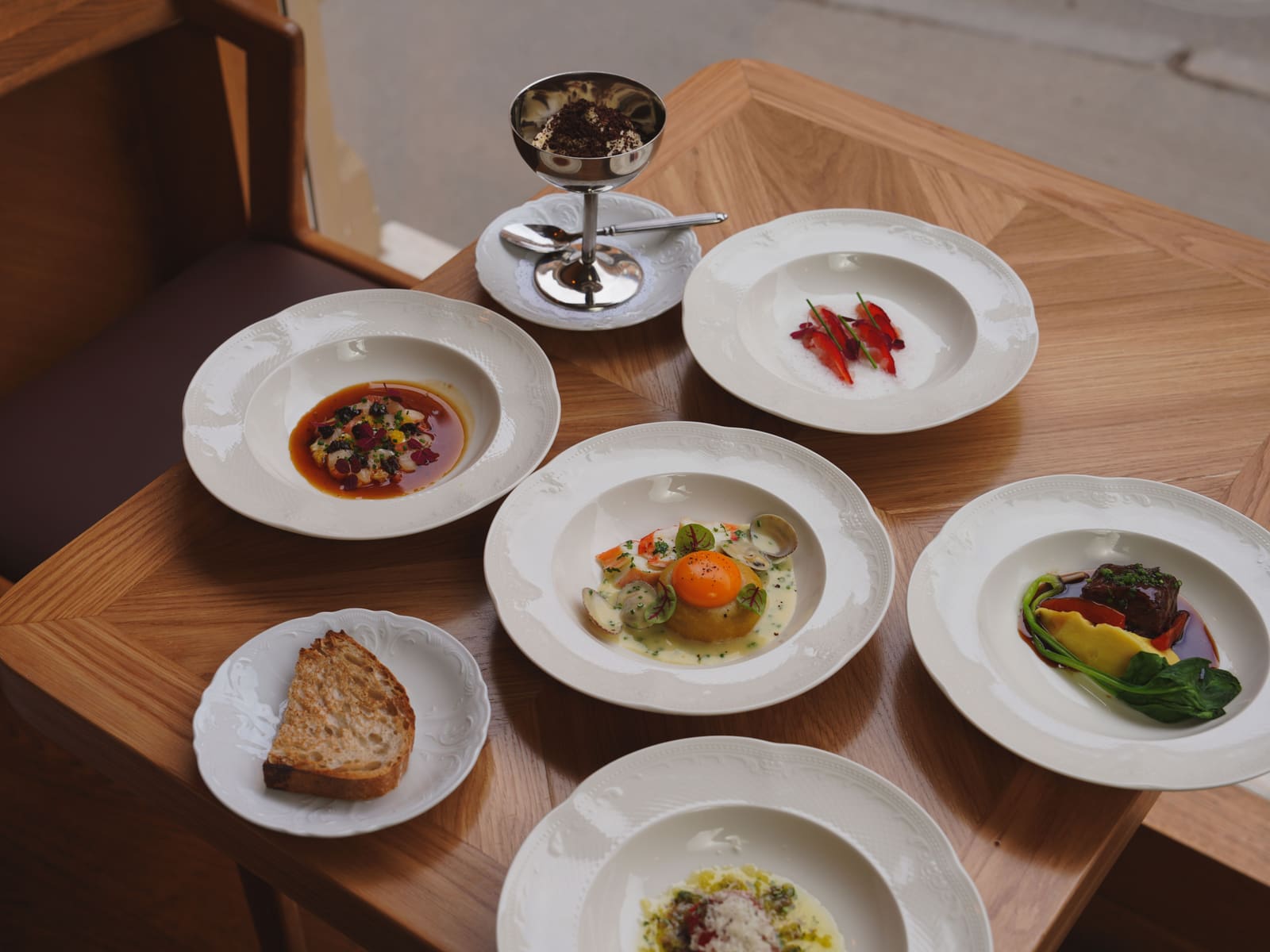
The meal itself stretches across 22 courses, many of them single bites that push against the edges of what feels like food. Danish lobster tail paired with grapes opened the sequence, the sweetness of the shellfish meeting fruit in a combination that felt less like fusion than like two expressions of the same idea.
A rosehip berry, stuffed and sweet, prompted the kind of double-take that makes you reconsider the bushes you walk past every day. It is the sort of dish that lingers not because it was the most delicious thing on the table, but because it reframes something ordinary into something worth noticing. A rose petal gazpacho followed, almost too delicate to disturb with a spoon, the kind of dish that feels more like sculpture than soup.
Pike-perch appeared not as a fillet but as a head, served whole and treated as a course in its own right. It is a choice that underscores Noma's philosophy: nothing is too strange, too small or too unfamiliar to deserve attention. A tartlet combining mould and seaweed landed somewhere between intriguing and underwhelming; the concept was bolder than the flavour it delivered, though few other kitchens would attempt the pairing at all.
The Appeal of Disorientation
Experimental dining of this kind divides opinion cleanly. For some, a parade of unfamiliar textures and flavours is exhausting, a meal that demands too much work from the person eating it. For others, that disorientation is precisely the point.
Noma's appeal has always rested on its willingness to make diners uncomfortable, to serve things that require explanation or that challenge ingrained ideas about what belongs on a plate. The new iteration does not retreat from that position. If anything, the monthly menu cycle may sharpen it, giving the kitchen licence to test ideas that would not survive a full season of repetition.
The experience is immersive in a way that conventional fine dining often is not. Each dish prompts questions, starts conversations, forces you to slow down and consider what you are tasting and why it works or does not. That level of engagement is part of what you are paying for, alongside the ingredients and the technique.
The Weight of Influence
Noma's influence on global dining over the past two decades is difficult to overstate. It popularised foraging, elevated Nordic ingredients, and made localism a defining ethos for a generation of chefs. Its techniques, its plating style, and even its vocabulary spread through kitchens on every continent.
That influence brings scrutiny. When a restaurant positions itself as a leader, its practices come under sharper examination, and its missteps carry wider implications. Noma's previous closure, announced in early 2023, was framed partly as a response to the unsustainability of its model, both financially and in terms of the demands it placed on staff.
The reopening, then, is a test of whether the restaurant can maintain its creative edge whilst addressing the structural problems that led to its pause. Monthly menus and promises of better working conditions are steps, but they are not yet proof.
What the Reopening Means
For diners, Noma's return means access to a style of cooking that remains rare even as its influence has spread. The restaurant's willingness to experiment, to risk dishes that do not quite land in pursuit of those that do, sets it apart from kitchens that play safer.
For the broader industry, the reopening is a signal about what is possible when a high-profile establishment attempts to course-correct. Whether Noma's changes are substantive or superficial will shape how other restaurants approach similar reckonings.
The verdict on this new chapter will not come quickly. It will emerge over months, through the voices of staff who stay or leave, through the consistency of the monthly menus, and through whether the kitchen can sustain the intensity of its ambitions without reverting to the patterns it claims to have left behind. For now, Noma is back, and the industry is watching.