A Harbour Economy
Bruinisse sits at the edge of Zeeland's lowlands, where the rhythm of daily life has followed the mussel calendar for generations. The harbour anchors the community, sending out cutters every day between July and April to tend cultivation plots scattered across the Grevelingen, a salt water lake whose tides and shallow channels create conditions that shellfish farmers consider near-ideal.
The industry shifted fundamentally in the late 1800s. Before then, fishermen gathered wild mussels wherever they found them. After that turning point, the trade moved towards deliberate cultivation, a change that allowed for greater control over supply and opened the door to the network of wholesalers, guild inspectors and specialist restaurants that now cluster around the waterfront.
Income from mussels has supported families here for centuries, and at one time a significant share of Bruinisse's population earned wages directly from the shellfish sector. That concentration has lessened as economies diversified, but the cultural imprint remains visible in everything from street names to the artwork that greets visitors on the main road.
Blue Barrels and Seed Columns
Walk along the estuary and you will see columns rising from the water, each topped with a floating blue barrel. These markers denote individual cultivation plots, underwater parcels where farmers grow mussels from seed to market size.
Seed mussels are juvenile shellfish harvested from the wild, then transferred to the plots and left to mature in columns that mimic natural growing conditions. The process takes advantage of the estuary's tidal flow, which delivers a steady supply of plankton and nutrients while flushing away waste. Regulations govern how much seed can be taken and where plots can be established, measures intended to prevent overharvesting and protect the broader marine environment.
Quality varies depending on salinity, current strength and the density of plankton in each patch of water. Farmers learn to read these variables, adjusting harvest schedules and plot locations to produce shellfish with the flavour and texture that wholesalers demand. The result is a product that commands premium prices in Dutch markets and abroad, though the reputation rests as much on collective discipline as on natural advantage.
The Guild System
The Mussel Guild operates as both trade association and quality gatekeeper. Restaurants that meet guild standards earn the right to advertise their membership, a signal to diners that the shellfish on the plate have passed inspection and come from approved suppliers.
This system emerged as a way to protect Bruinisse's reputation. When every boat in the harbour competes for the same buyers, one substandard batch can damage the entire fleet's standing. The guild enforces minimum quality thresholds and traces each shipment back to its origin, creating accountability that individual cutters would struggle to achieve alone.
For visitors, guild membership offers a shortcut through the menu. Restaurants displaying the seal source their mussels from the local fleet and prepare them according to standards that have been negotiated over decades. The arrangement benefits both sides: diners get consistency, and the harbour maintains its premium positioning.
A Boulevard and a Symbol
Mussel Boulevard runs along the dyke that holds back the estuary, a pedestrian route lined with benches and views across the water. At the far end stands a sculpture shaped like an opened mussel shell, oversized and visible from the road that connects Bruinisse to the rest of Zeeland.
The sculpture functions as both landmark and declaration. It tells passing drivers that this community identifies with the shellfish trade, and it gives residents a focal point for the industry that still employs a portion of the workforce. Public art of this kind often feels generic, but in Bruinisse the choice of subject is straightforward: mussels are the reason the harbour exists in its current form, and the sculpture simply makes that relationship explicit.
The dyke itself is a reminder of the bargain Zeeland has struck with the sea. The land here sits below or near sea level, and the estuary that makes mussel farming possible also poses a flood risk. Engineering holds the water at bay, and the boulevard occupies the top of that engineering, a space where residents can walk above the threat and look out at the source of their livelihood.
Fishing Day
Every third weekend in July, Bruinisse holds Fishing Day, a three-day event that marks the official start of the mussel season. The festival honours the fleet and the families who depend on it, with ceremonies, music and meals centred on the harbour.
Timing matters. July is when the first mussels of the new season reach market size, and Fishing Day serves as both celebration and signal. It tells buyers that fresh stock is available and reminds the community that the lean months are over. The event has grown over the years, attracting visitors from beyond Zeeland, but its core function remains local: a chance for the town to acknowledge the work that sustains it.
Festivals of this kind are common in coastal Europe, but Fishing Day reflects Bruinisse's particular history. The mussel industry here is not a side activity or a tourist attraction grafted onto a broader economy. It is the foundation, and the festival reinforces that fact each summer.
What It Means for Travellers
Bruinisse offers a window into how a single industry can shape a place. The harbour, the guild, the sculpture and the festival all exist because mussels grow well in the Grevelingen and because generations of residents chose to build their economy around that fact.
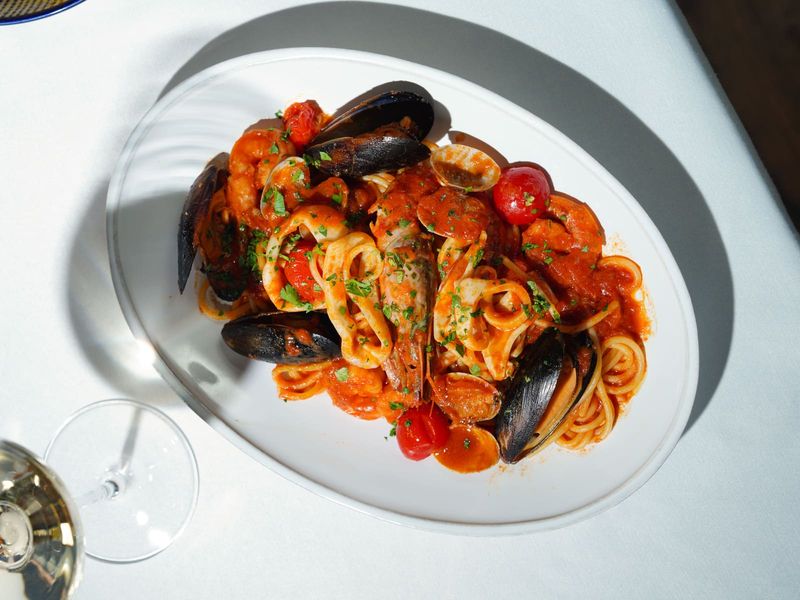
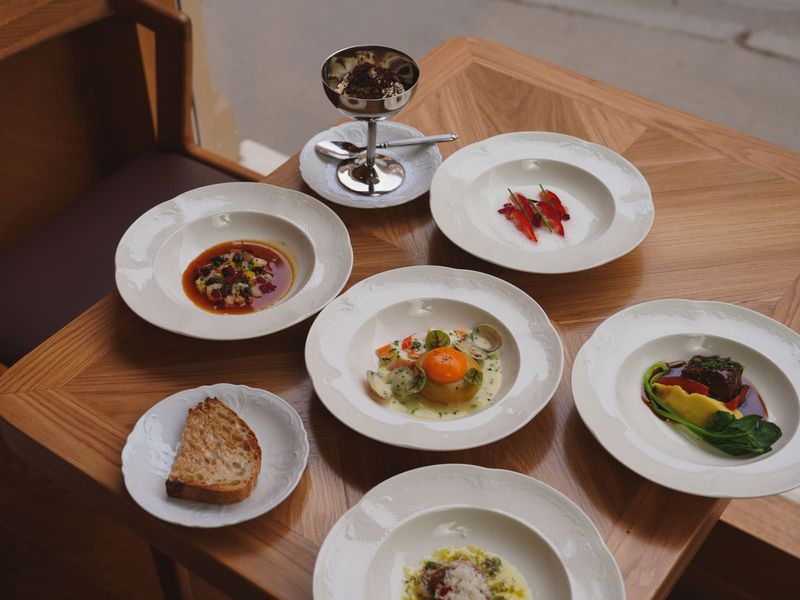
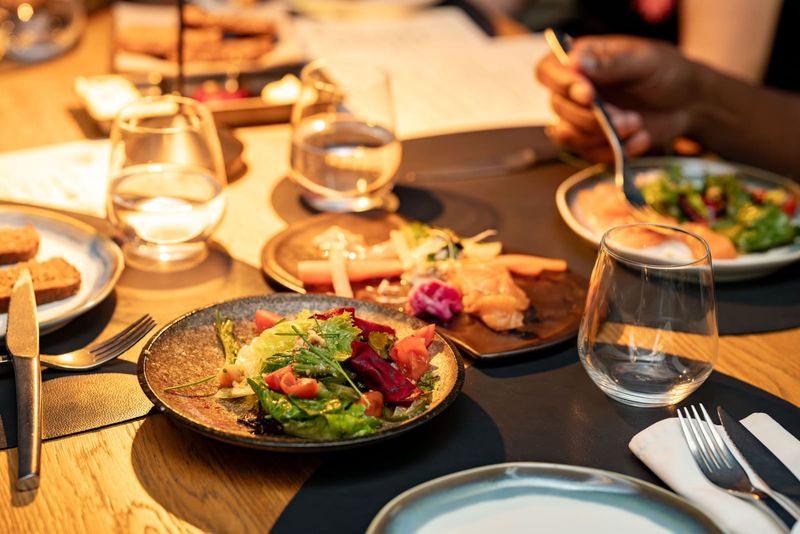
For visitors interested in food systems, the town illustrates how quality controls and collective branding work in practice. The guild system is not unique to Bruinisse, but seeing it operate in a community this size makes the mechanics easier to grasp. Restaurants serve mussels prepared in traditional styles, and the proximity to the source means menus change with the season in ways that urban restaurants struggle to replicate.
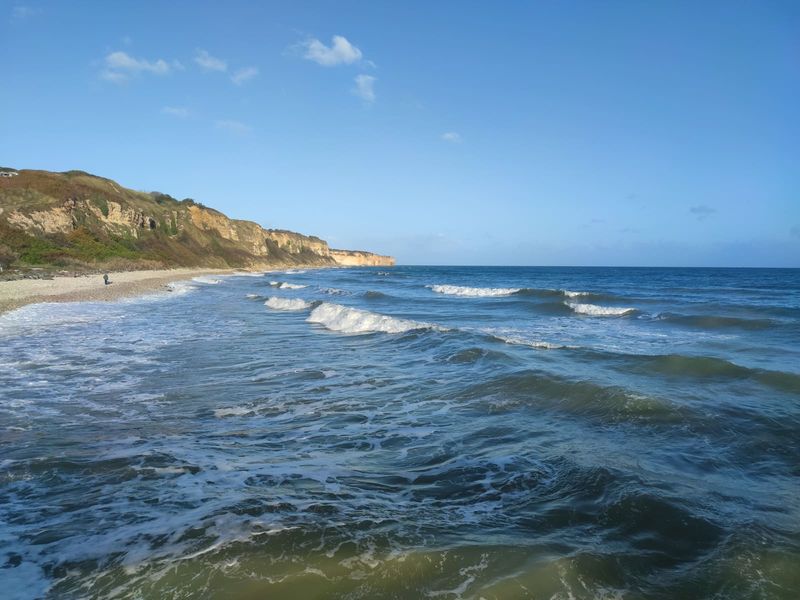
The estuary itself is worth exploring, whether by boat or on foot along the dyke. The blue barrels that mark cultivation plots create a geometric pattern across the water, a visible reminder that this landscape is as managed as any agricultural field. The difference is that the crop grows underwater, out of sight until it reaches the harbour and the market stalls that line the waterfront.
Bruinisse is not a destination that announces itself with dramatic scenery or historic monuments. What it offers is specificity: a town that does one thing well and has organised itself around that competence. That focus has costs, particularly when markets shift or environmental conditions change, but it also creates a coherence that more diversified places often lack. The mussels are excellent, and the infrastructure that produces them is worth understanding.