A Different Path
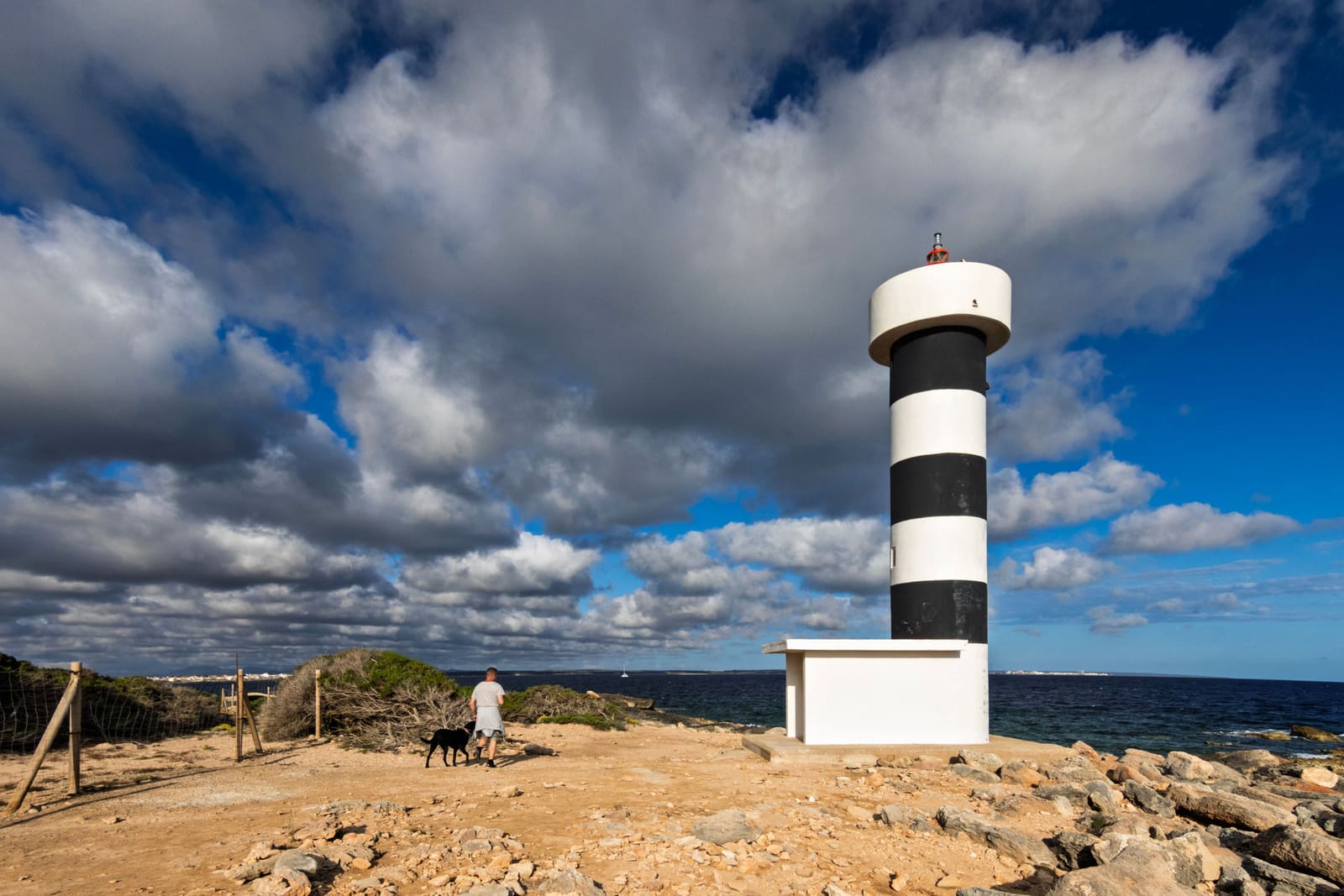
Menorca is small. The drive from Mahón in the southeast to Ciutadella in the southwest takes 45 minutes, yet you cannot circle the island by car. Instead, a 185-kilometre horse trail dating to the 14th century, the Camí de Cavalls, wraps around the entire coastline. Knights once rode it between fortresses. By the 20th century, landowners had fenced off sections, and the trail fell into ruin. The government declared it public heritage in 2000, restored it over a decade, and reopened it to hikers, cyclists, and equestrians in 2010.
That decision shaped everything that followed. Because the trail encircles the island, car parks for most beaches sit near the main road. Visitors walk or cycle the rest of the way. There are no sprawling beach clubs or hotel towers pressed against the sand. The island government also stopped issuing new short-term rental licences. The effect is cumulative: Menorca fills up in July and August, but it does not tip into the chaos that defines peak season on Mallorca or Ibiza.
Two UNESCO Designations
Menorca holds dual UNESCO recognition. In 1993, it became a Biosphere Reserve, protecting marine ecosystems, wetlands, dunes, and caves that support endemic bird and plant species. Scuba divers prize the waters for visibility and biodiversity. In 2023, UNESCO added the Talayotic Menorca cultural landscape to the World Heritage list. The designation covers megalithic monuments, tombs, and watchtowers scattered across the island, remnants of Iron Age Balearic cultures. They look like rock piles to the untrained eye, but archaeologists regard them as some of the Mediterranean's best-preserved examples of prehistoric settlement.
The two designations work in tandem. The Biosphere Reserve limits coastal development. The Talayotic sites, many located inland, draw visitors away from the beaches. Together, they reinforce the island's positioning as a place where nature and history take precedence over infrastructure.
Mahón and Ciutadella
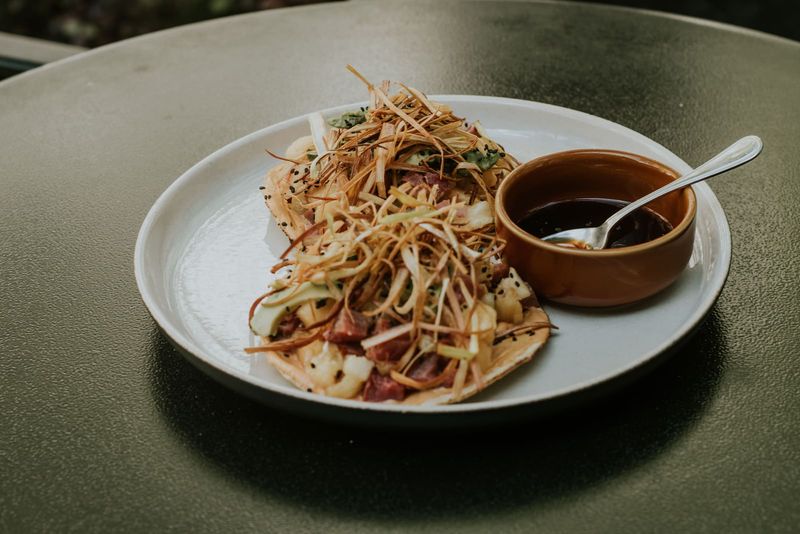
Mahón, ten minutes from the airport, has one of the world's longest natural harbours. Cruise ships dock here, which means mornings are the best time to visit, before the groups arrive. In 2023, Hauser & Wirth opened a gallery on Illa del Rei, a tiny island a 15-minute boat ride from the Port of Mahón. The space occupies two large buildings with gardens and Cantina, an alfresco restaurant. The combination of contemporary art, food, and a quick swim before the return ferry has made it a draw for visitors who might otherwise skip the capital.
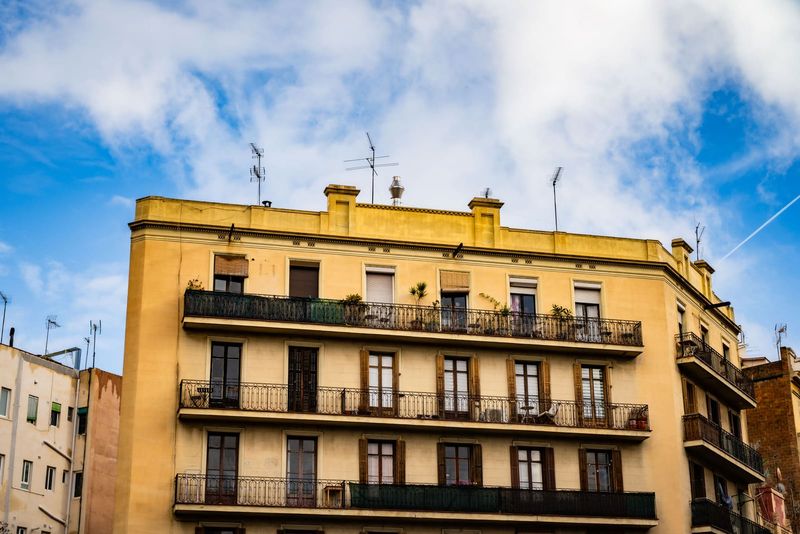
Ciutadella, at the western end, is a walled city with baroque, gothic, and neoclassical architecture. The streets are narrow and pedestrianised, lined with buildings whose plain exteriors give no hint of the courtyards and staircases inside. The Basilica of Ciutadella and Convent of San Augustine offer relief from the heat. Late afternoon light turns the antique stone a deep gold.
Where People Stay
Accommodation choice shapes how visitors experience the island. Cristine Bedford Guesthouses Mahón, a few minutes' walk from the harbour, has rooms decorated with vintage furniture and fabrics, many overlooking a private courtyard and pool. It also offers secure car parking at a low daily rate, a practical detail that matters when rental cars are standard.
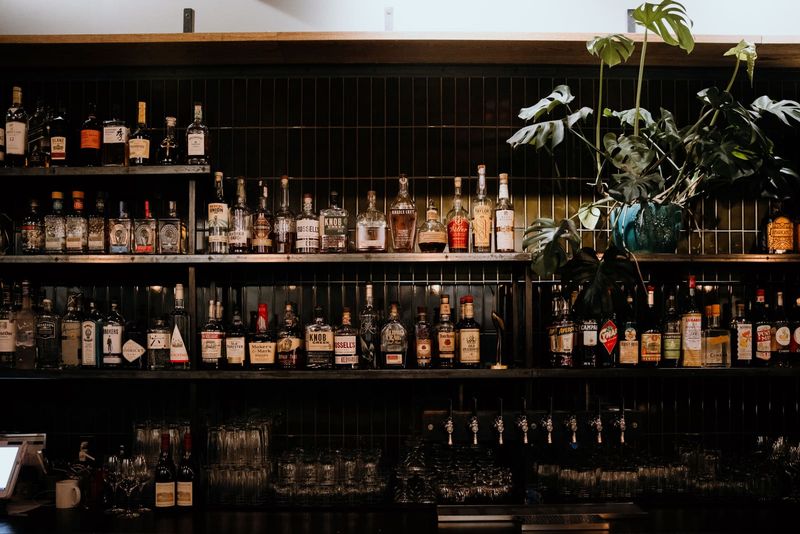
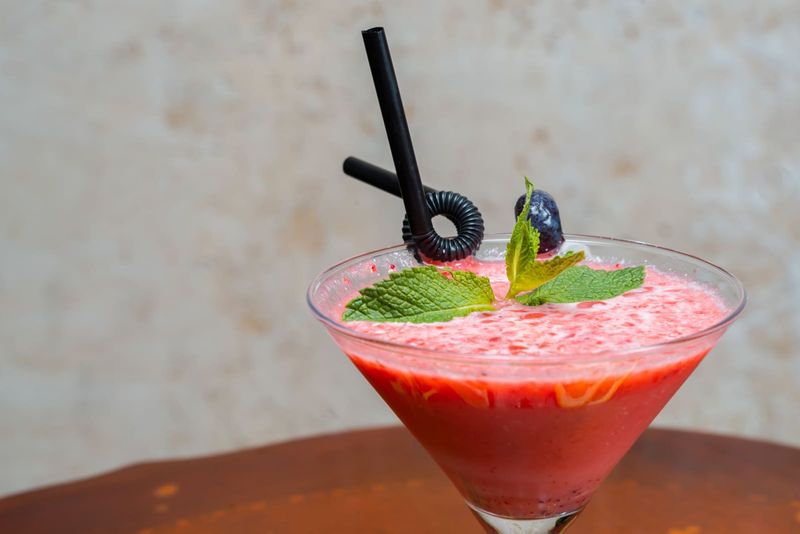
Several restored country estates now operate as hotels. Santa Ponsa Menorca, part of Fontenille Collection, is a 22-room finca near Alaior. The grounds are planted with agapanthus, pine, palm, and lemon trees. The spa, built behind old limestone walls, has an underground pool and hammam. Menorca Experimental, near the south coast, opened a few years ago in a white manor house. It was the island's first branded hotel and draws a repeat international clientele. The cocktail menu and restaurant are strong.
Son Vell, opened by Vestige in 2023, is a restored 18th-century estate on 180 hectares west of Ciutadella. The 34-room property is geared towards couples rather than families. Vestige also opened Son Ermità and Binidufà this spring, two neighbouring hotels on 800 acres on the north side, offering even greater isolation.
Son Blanc Farmhouse is a 14-room hotel on a regenerative farm. The building was a ruin before a couple spent years restoring it with a focus on sustainability and wellness. The chef, a Menorca native, sources ingredients from the property's garden and changes the set menu daily. Breakfast includes an industrial juicer next to baskets of farm produce. The hotel hosts weekly community dinners and a rotating schedule of residents who lead workshops on wellness and creativity. The owners' sister property, Es Bec d'Aguila, is available for private weekly rental.
Beaches and Swimming
In July and August, car parks for popular beaches fill early. The alternative is to arrive on foot, by bicycle, or by taxi. Wind direction determines which coast is calmer on a given day.
Cala Pregonda, on the north coast, has red sand and no services. The walk from the car park keeps crowds thin. Playa Binisafuller and Playa Binibèquer Nou, both in the southeast, are sandy coves popular with families. Cala Macarelleta, in the southwest, is a white-sand cove framed by cliffs.
For swimming from rocks rather than sand, Cala Alcaufar, Cala Es Canutells, Cala Morell, and Cala 'n Brut offer access to deep water and good visibility. Cala 'n Brut has cliff-jumping platforms that attract younger swimmers.
The Trade-Off
Menorca's model is not replicable everywhere. The island is small enough that a single trail and a handful of policy decisions can shape visitor flow. The dual UNESCO designations give local authorities legal backing to resist development pressure. And the island was never a mass-market destination to begin with, so the shift towards preservation did not require dismantling an existing tourism economy.
But the trade-off is clear. Menorca will not absorb the visitor numbers that Mallorca or Ibiza handle. Hotel rooms are limited. Beach access requires effort. The island is betting that a segment of travellers will pay more for less crowding and better-preserved landscapes. So far, that bet appears to be paying off. Summer bookings are strong, and the properties that opened in the past few years report high occupancy.
The question is whether other islands can follow a similar path, or whether Menorca's approach only works because it started early, stayed small, and never tried to compete with its neighbours on volume.