A City Built on Stories
London has always drawn people who care about books. Writers lived here, set novels in its streets, argued in its pubs. That literary past hasn't faded into museum exhibits. Instead, it has evolved into a network of spaces where reading and socialising overlap: bookshops that serve wine, bars lined with vintage volumes, pubs where Dickens once sat.
The appeal is straightforward. You can sit with a novel and a drink without feeling rushed. You can stumble into a Q&A with an author while ordering coffee. You can stand in a room where someone wrote something that mattered. For visitors and residents alike, these spots turn reading from a solitary act into a reason to go out.
Bookshops That Pour Drinks
Reference Point in Temple, which opened in early 2026, stocks around 10,000 photobooks and magazines alongside a full bar. The concept is simple: browse visual literature, order a cocktail, stay as long as you like. The space attracts fashion students, curious actors, and anyone who prefers their reading material with a drink in hand. Jonah Freud, who founded the venue, designed it to feel less like a hushed library and more like a place where people actually talk.
BookBar takes a similar approach across two locations in Islington and Chelsea. It is part wine bar, part bookshop, with regular author events and a monthly book club. Members receive a selected title, discuss it with others, then join a virtual interview with the writer. The model works for people who want structure around their reading, plus the option to drink while doing it.
Pubs With Footnotes
The Spaniard's Inn in Hampstead has been serving drinks since the sixteenth century, and its list of literary patrons runs long. Robert Louis Stevenson, Lord Byron, and Mary Shelley all drank here. Bram Stoker gathered local ghost stories at the bar while writing Dracula. Charles Dickens referenced it in The Pickwick Papers. John Keats reportedly composed Ode to a Nightingale in the garden. The pub has not been renovated into a themed attraction. It remains a working pub that happens to have an extraordinary literary past.
The George Inn on Borough High Street is the only surviving galleried coaching inn in London, now managed by the National Trust. Dickens was a regular and mentioned it in Little Dorrit and Our Mutual Friend. The building sits near Shakespeare's Globe, and scholars believe the playwright and his circle likely visited. The George appears in his play King John. Like the Spaniard's Inn, it functions as a pub first, a historical site second.
Bars Designed Around Books
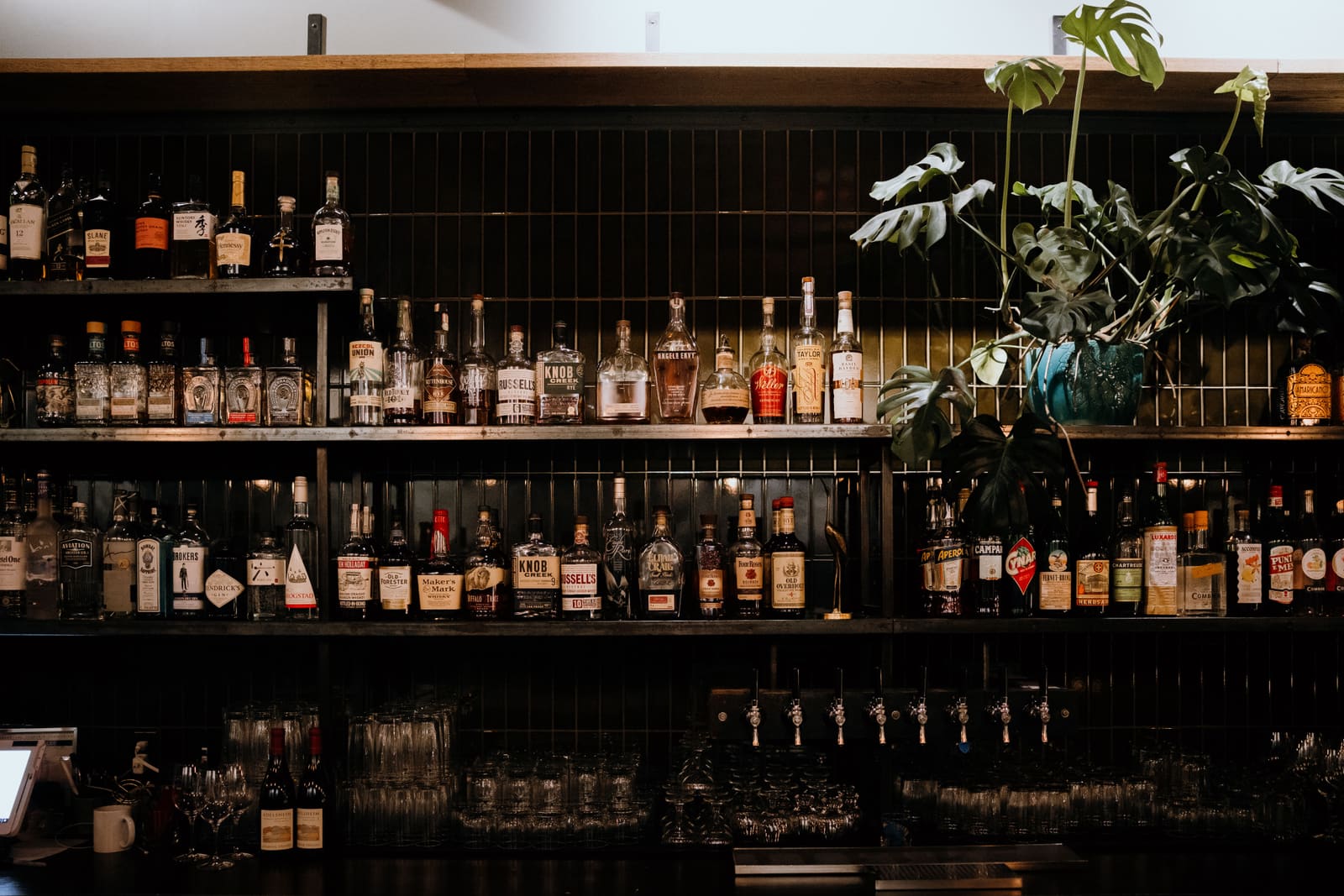
Scarfes Bar at the Rosewood London holds more than a thousand antiquarian books, selected by a Portobello antique dealer. The bar was named after cartoonist Gerald Scarfe, whose illustrations line the walls. The design nods to old gentlemen's clubs but without the exclusivity. It is a place where you can argue about nineteenth-century novelists without drawing stares, partly because the room expects that kind of conversation.
The Drawing Room at the BFI Bar on the Southbank hides behind an unmarked door. Inside, floor-to-ceiling shelves display vintage books chosen for appearance rather than reading. The cocktail menu references films, fitting for a bar inside the British Film Institute. It is popular with people debating book-to-screen adaptations, particularly after a screening upstairs.
Quo Vadis in Soho has functioned as a gathering point for journalists and writers since the 1920s. Karl Marx wrote parts of Das Kapital here. The restaurant includes a Library Bar, designed specifically for reading, drinking, and conversation. It has remained a fixture for people working in publishing and media nearby.
Cafés That Let You Linger
Rustique Literary Café in Tufnell Park has operated since 2000 with a simple rule: sit as long as you want. Staff will not pressure anyone to order another coffee or give up a table. The menu offers jacket potatoes, quiche, soup. In summer, a small garden provides outdoor seating. The café appeals to people who need a few uninterrupted hours with a book and prefer neighbourhood spots over chains.
A Bookshop With Royal Warrants
Hatchards in Piccadilly opened in 1797, making it the oldest bookshop in the United Kingdom. It holds two Royal Warrants and employs staff known for tracking down rare editions and signed first prints. The desk where Oscar Wilde once signed copies of his books remains in the shop. Virginia Woolf wrote a scene in Mrs Dalloway where the title character pauses at its windows. Hatchards has managed to preserve that sense of history without feeling frozen in time.
Why These Spaces Endure
Other cities have bookshops and literary bars, but London's feel embedded in daily life rather than curated for tourists. Many of these venues operate as neighbourhood spots first. Regulars come for the atmosphere, the lack of pressure, the chance that someone at the next table is reading something worth discussing.
The blend of old and new also matters. Pubs that hosted nineteenth-century writers still pour pints. Modern bookshops add bars because people want both. The city has not turned its literary history into a static display. Instead, it keeps building on it, one drink and one book at a time.