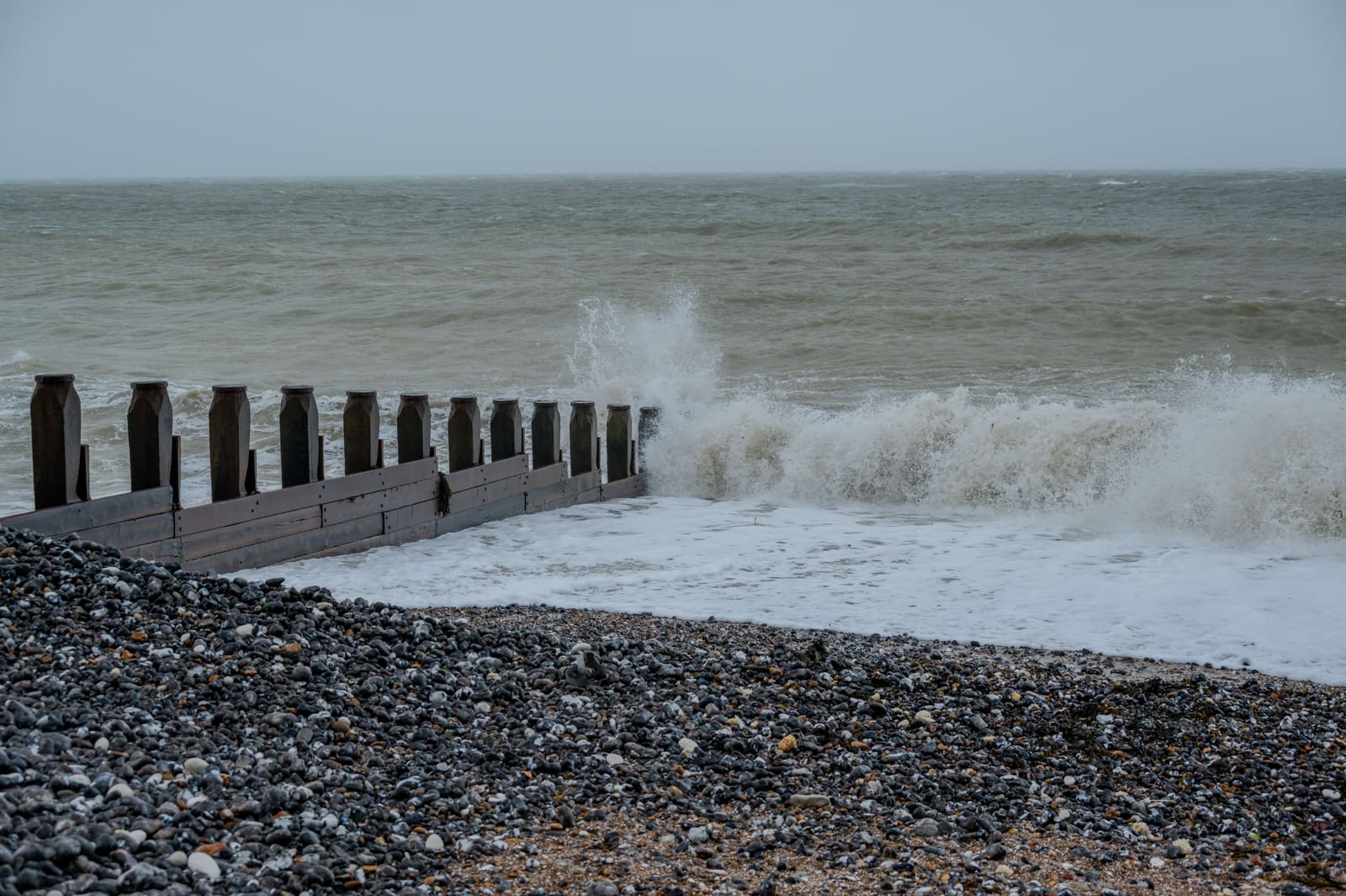
A Coast Redrawn by Temperature
When Thomas Large lays blue mussel seedlings in the beds off Brancaster Staithe, he spreads them one mussel thick across the creek floor. The spot sits sheltered between the north Norfolk salt marshes and Scolt Head Island, and this year the meat yield has been exceptional. Large attributes the performance partly to warming seas; his mussels, farmed in the same beds his father worked since 1988, have thrived as water temperatures edge upward.
The shift is subtle but measurable. Warming waters are quietly redrawing the seafood map along England's eastern flank, from the Wash down to the Suffolk shingle. Species that once vanished are returning in numbers, while familiar staples grow plumper. For the string of restaurants, fish shacks and smokeries dotting the coast, the changes translate into menu recalibrations and, in some cases, new festivals built around a single fish.
Short Chains, High Yield
At the White Horse in Brancaster Staithe, general manager Rob Williamson describes a supply chain measured in metres rather than miles. Billy Ward, a local fisherman, operates 4,000 lobster pots in the Wash and drops his catch at the restaurant door. Thomas Large arrives at the back entrance with mussels. Ben and Cyril Southerland sometimes wheel up the car park with orange nets full of oysters.
The White Horse runs eight seafood festivals a year, including an October event dedicated to mussels. Williamson credits the clarity of the water, filtered by Scolt Head Island, for the quality of shellfish harvested nearby. He uses the term "merroir" to describe the marine equivalent of terroir, the way local conditions shape flavour.
George Pell, who owns The Suffolk in Aldeburgh, sources year-round from Wightman Fishing Company, a family operation based in Lowestoft. He has noticed growing demand for crab, oysters and whole wild bass. Pell rates the lobster and bass from the East Anglian coast as world-class, and he is planning an oyster festival for next year to spotlight the region's bivalves. East Coast oysters, he says, carry a slightly more saline, buttery and creamy flavour than those from Scotland or Colchester.
The Herring Project
In 1913, 12 million tonnes of Atlantic herring were landed on the east coast in three months. Post-war overfishing collapsed the fishery, and a 1977 North Sea herring ban effectively erased the fish from dinner tables for a generation. Now herring populations have resurged, and chefs are working to reintroduce them to diners who have no memory of eating them.
Pell is leading the charge in Aldeburgh. He has served grilled herring on toast with spicy nduja butter and plans to pickle, make rollmops and test a herring slider this autumn. He is also involved in organising a herring festival in town, aiming to make the fish "sexy and approachable."
Mike Warner, a Suffolk-based seafood and fisheries consultant, describes the gap as a generational loss. Herring is rich in vitamins B12 and D, as well as omega-3 fatty acids, but an entire cohort grew up without it. Warner is in talks to re-establish a herring fishery in Suffolk and reconnect the industry to consumers. Next summer he will take over one of the black fishing huts on the shingle at Aldeburgh to run seafood workshops, host chefs and lead shrimping safaris in nearby Walberswick.
Warner notes that while the east coast lacks the species diversity of the south, quality is high. Bass has been prolific, and 2026 has been a strong year for lobster and crab. Bluefin tuna, absent for decades, has returned in large numbers, travelling as far as the German Bight and Dogger Bank. In August, the first North Sea catch of Atlantic bluefin in 60 years was landed in Whitby.
Festivals and Fish Huts
The restaurant scene along the coast swings between formal dining rooms and no-frills shacks on the shingle. At Fino in Cromer, co-owner Dan Goff sources crab from the fishmonger next door and serves skate wing from Suffolk with capers and crispy anchovies. The restaurant sits a short walk from the chalky-turquoise sea and has won awards for its use of local ingredients.
Butley Orford Oysterage, run by second-generation oyster farmer Bill Pinney, farms rock oysters on the Butley River and fishes the North Sea for lobster, crab, skate and herring. The restaurant operates as a no-fuss temple of shellfish, with Pinney smoking fish at a smokehouse near the oyster creek.
Rocky Bottoms in West Runton offers picnic tables with sea views, where families order Brancaster oysters and lobster platters. Specials include lobster tails battered in Lacon's Encore amber ale, a Norfolk brew.
The informal end of the spectrum is anchored by fish huts. The Crab Hut, on stilts at Brancaster Staithe harbour, has been run by Mary Wacey and her family for two decades. Rolls come stuffed with crab from the beds at Scolt Head Island and wild-caught crayfish from Norfolk and Suffolk rivers. At Aldeburgh, a row of black huts lines the pebbled beach. Wightman's, which operates three fishing boats, serves shellfish platters, lobster brioche and crab rolls. Ash Smoked Fishes smokes on the shingle, selling brown shrimps, herring and mackerel pate.
Calibrating to the Calendar
Many restaurants along the coast still calibrate menus to the seasons, even as warming waters extend some harvest windows. Mussels signal the start of autumn and the arrival of moules-frites platters. Lobster and Cromer crab, prized for their sweet flavours, are increasingly sourced out of season, but oysters remain a cold-water speciality. Herring spawn on the Dogger Bank and migrate to the southern North Sea in autumn.
Thomas Large has observed that the internet and social media have expanded his market. Local restaurants are busier, and diners are more adventurous. They want to see where their shellfish comes from, and they are willing to travel modest distances to eat it metres from where it was harvested.
The coast attracts summer crowds for fish and chips, ice cream and beach days. When those visitors disperse, the restaurants fill with diners chasing sea-to-plate dining and seasonal menus that track the water temperature as closely as the calendar. In autumn, more than 350,000 pink-footed geese arrive to feed on harvest leftovers. For human diners, the season brings mussels, oysters and, increasingly, herring that spent the last four decades rebuilding in the cold North Sea.