A Landmark Reduced to Ash
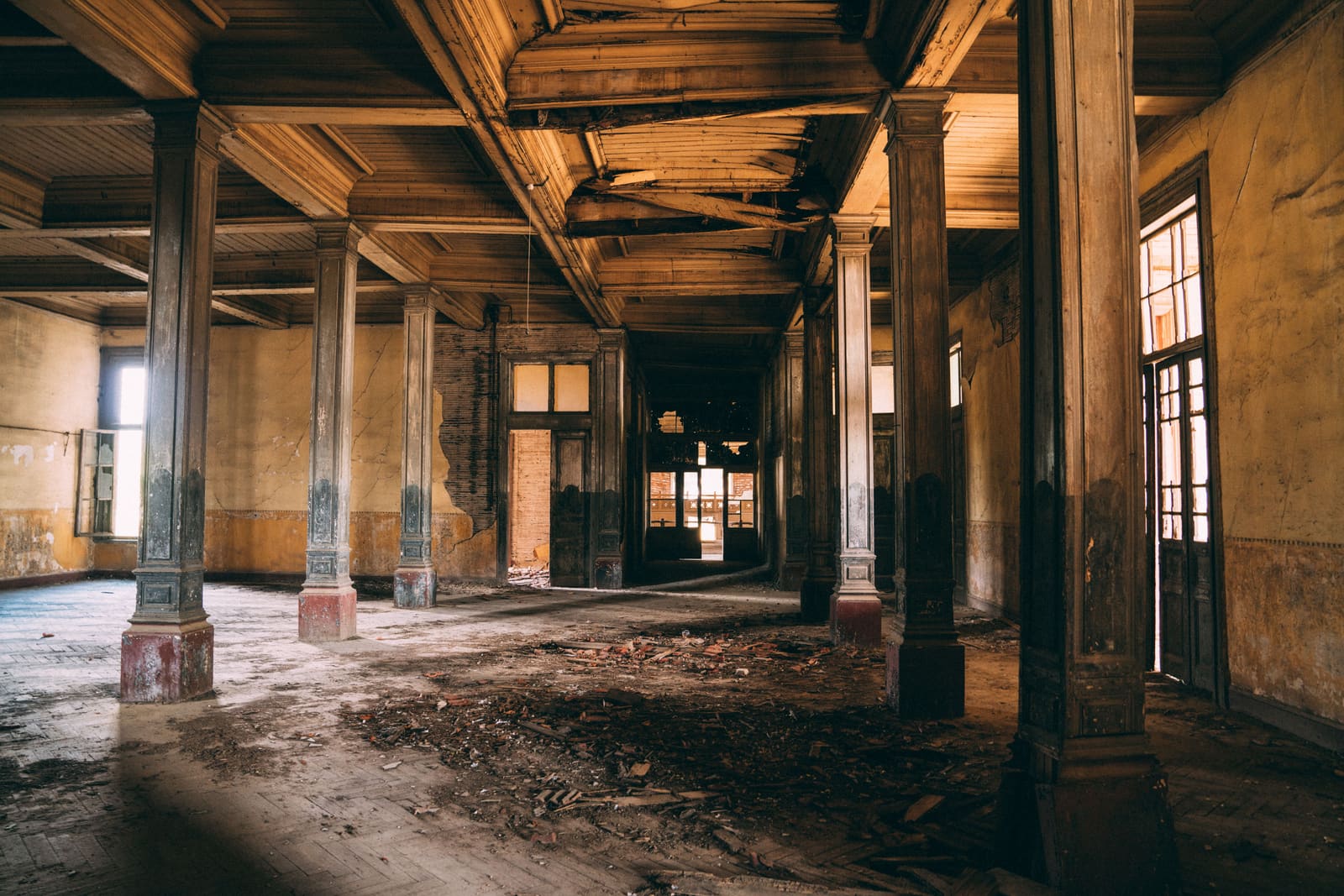
Around 150 firefighters responded to a blaze that broke out overnight on 12 October at Marché des Enfants Rouges, the oldest covered market in Paris. The fire consumed roughly 1,000 square metres of stalls in the Marais neighbourhood, leaving the structure, according to Lieutenant-Colonel Pierre de Bouvier of the Paris fire brigade, "completely destroyed". Crews managed to keep the flames from jumping to the residential buildings that press close on all sides. No serious injuries were reported.
The cause remains under investigation. Nearby green spaces, including Jardin Madeleine de Scudéry and Square du Temple, have been closed temporarily as authorities secure the site and assess the damage.
Four Centuries of Food and Trade
The market opened in 1615, during the reign of Louis XIII, making it more than four hundred years old. Its name comes from a long-vanished orphanage whose wards wore red uniforms. Granted historic-monument status in 1982, the market was a working archive of Parisian food culture: a place where shoppers picked up vegetables in the morning and lingered over lunch at tiny counters in the afternoon.
Independent traders formed the soul of the market. Japanese chef Taeko Inai ran a stall there from the early 2000s. Moroccan, Italian and other cuisines jostled under the iron-and-glass canopy. In recent years, international visitors began arriving in greater numbers, drawn in part by social-media posts highlighting oversized sandwiches at Chez Alain Miam Miam. But for Parisians, the market was a neighbourhood fixture: a spot for a weekday tajine, a Friday glass of wine or a crêpe before a walk through the surrounding streets.
Survival and Uncertainty
The market has faced existential threats before. In the 1990s, city planners proposed demolishing the deteriorating structure and replacing it with underground car parking. Local residents and stallholders organised, and the campaign succeeded. The market underwent extensive renovations and reopened in 2000.
This time, the damage is far more severe. Ariel Weil, mayor of Paris Centre, told reporters at the scene that there was "a lot of emotion and sadness, but also a sense that we've escaped something much worse", referring to the narrow avoidance of a wider conflagration in a densely built quarter.
What Comes Next
The fire inevitably recalls the 2019 blaze at Notre-Dame, though the cathedral's stone vaults and walls survived that night. Marché des Enfants Rouges, built largely of timber and metal, offered less resistance. What remains now is a question of political will and funding: whether the city will commit to rebuilding a market that has fed Parisians since the seventeenth century, or whether the site will be repurposed.
For the traders who lost their livelihoods overnight, and for the residents who relied on the market for daily shopping and spontaneous meals, the answers cannot come quickly enough. The Marais has changed dramatically over the past two decades, shifting from a working-class neighbourhood to a destination for boutiques and tourists. The market was one of the last places where that older Paris still felt within reach.