A Lane Under Pressure
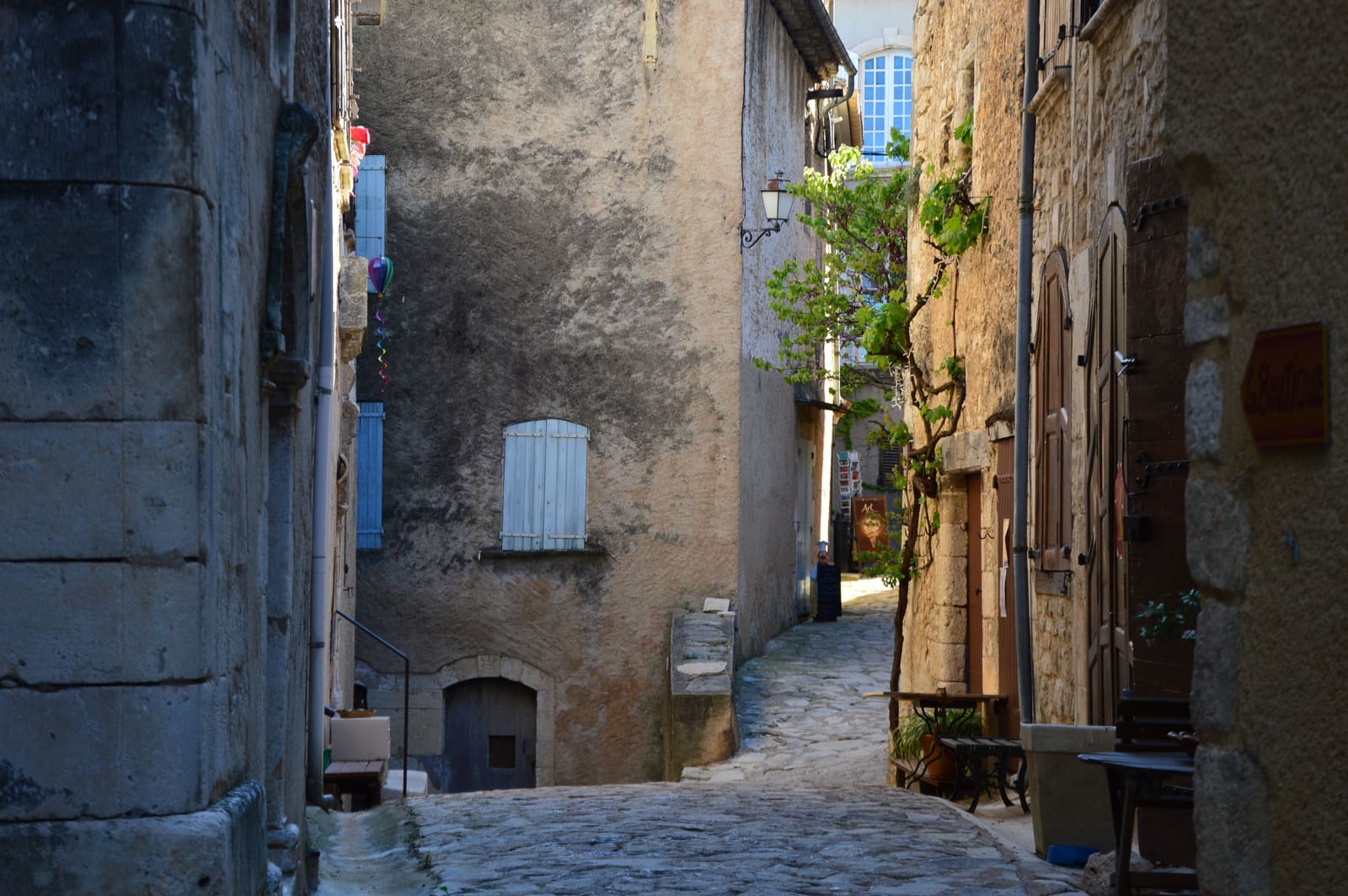
Starting 16 October 2026, coaches longer than 12 metres will be barred from Priory Lane in Burford unless they hold a special permit, according to Oxfordshire County Council. The measure follows a string of minor collisions on the narrow street, which is flanked by high stone walls, parked cars, and the town's primary school. New "School Keep Clear" markings will also prohibit parking outside the school gates from 8 am to 5 pm on weekdays.
Burford sits on the Windrush River in West Oxfordshire, a classic market town whose honey-coloured stone cottages and Georgian facades draw steady coach traffic through the warmer months. Priory Lane has been a flashpoint for at least two years, residents say, with large vehicles scraping walls and bollards meant to separate footpaths from the carriageway.
Andrew Foster, Burford's deputy mayor, framed the decision as a matter of priorities. "Large coaches continue to present safety and safeguarding concerns regarding pupils at the primary school, and risk repeated damage to the posts segregating the footway from the road," he said in a statement. He added that the safety of schoolchildren should outweigh the convenience of tour operators and their customers.
A Regional Pattern
Burford is the latest in a cluster of Cotswolds settlements to tighten vehicle rules. Bibury, a village roughly 20 kilometres south, has asked visitors to arrive in smaller cars after its narrow roads began handling up to 20,000 people a day during peak season. The surge has strained the village's 600 residents, according to former local council chair Craig Chapman, who described the traffic as imposing "intolerable and unacceptable pressures."
Bourton-on-the-Water, sometimes called the Venice of the Cotswolds for the streams that wind through its centre, has already banned coaches from its high street. The village can see 75 tourists for every resident at the height of summer, and local authorities are working with Cotswold District and Gloucestershire County councils to address litter and wear on pavements and verges.
Harold Goodwin, founder of the International Centre for Responsible Tourism, has noted that restricting vehicle access and relocating parking away from village cores may be among the few practical tools for easing overtourism. Yet those steps can be read by some as efforts to fence off places that are, in principle, open to everyone. Enforcement also carries a cost, both financial and political.
The Arithmetic of Access
The Cotswolds occupies an awkward position. Its villages are picturesque and historically significant, which is precisely what draws visitors. But the infrastructure that makes them appealing - narrow lanes, low stone bridges, centuries-old cottages - was never designed for the volume or size of modern tourism.
Coach operators argue that group travel is often the most carbon-efficient way to move people around the countryside, and that banning vehicles above a certain length shifts congestion elsewhere or simply scatters it across more trips in smaller vans. Residents counter that their streets, schools, and walls are bearing the brunt of an economy that benefits tour companies and regional councils more than the people who live there.
Burford's new rules apply only to Priory Lane. Coaches can still enter the town on other routes, though the 12-metre threshold effectively excludes most full-size touring coaches, which typically run between 12 and 15 metres. Operators seeking permits will need to demonstrate a specific need, though the criteria for approval have not been made public.
What Comes Next
The October start date gives operators a few days to adjust itineraries or apply for exemptions. Whether the restriction will reduce congestion or simply reroute it remains unclear. Priory Lane is not the main artery through Burford, but it offers a shortcut for coaches heading towards the town centre car parks.
Other Cotswolds towns are watching. If the Burford model proves enforceable and effective, more councils may follow. If it triggers legal challenges or proves difficult to police, the appetite for similar measures elsewhere may cool. For now, the balance tips towards residents and schoolchildren, at least on one street in one market town.