A Digital Shift in Tourism Strategy
Barcelona's tourism board has rebranded itself as "This is Barcelona" and launched a platform that uses algorithmic recommendation technology to shape visitor behaviour. The system, which learns from user interactions similar to streaming services, aims to direct tourists towards cultural events, lesser-known neighbourhoods, and experiences that reflect what the board describes as the city's authentic identity.
The platform prioritises festivals, exhibition openings, and tours over individual landmarks. La Sagrada Família, the city's most visited site, now appears several pages down rather than at the top of search results. According to Mateu Hernández, chief executive of Barcelona Turisme, the approach is deliberate: recommendations are tailored not only to user interests but also to timing and capacity in specific areas, attempting to manage tourist flows across the city.
The technology creates personalised itineraries for both visitors and residents, adjusting what appears on the page and in what order. Alongside these suggestions, the site includes reminders on respectful behaviour, such as keeping quiet during traditional human tower festivals, as well as historical context and practical information on transport and accessibility.
Targeting a Different Visitor
The rebrand drops the word "visit" from the tourism board's name, a linguistic choice intended to shift away from simply inviting people to come. Instead, the board says it is selecting the type of traveller it wants by promoting what it calls higher-quality, culture-focused activities.
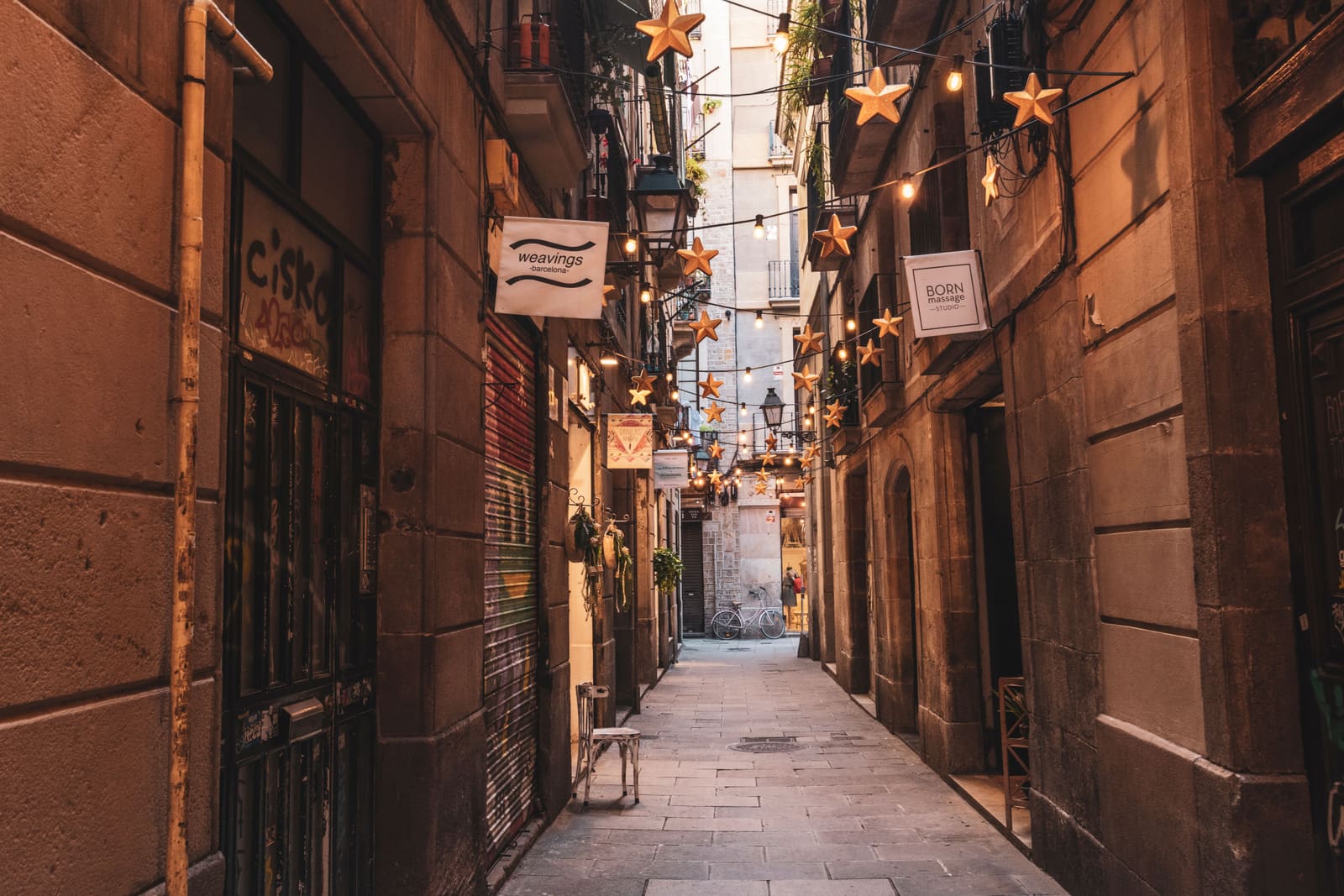
The platform is designed for those interested in museums, independent restaurants, and events like classical music concerts. It is not, the board states, intended to appeal to visitors seeking what it terms low-quality tourism. The goal is to attract travellers who align with values the city wants to project: culture, quality, respect, and authenticity.
This approach mirrors strategies employed elsewhere. Several destinations have introduced high tourist taxes or visitor caps to discourage mass-market tourism. Thailand, for instance, has publicly stated its intention to move away from its backpacker image and attract higher-spending visitors. Barcelona's tourist tax already reaches up to €12 per night, among the highest in Europe, with plans to increase it to €15 by 2029.
Bureaucratic Measures and Local Frustration
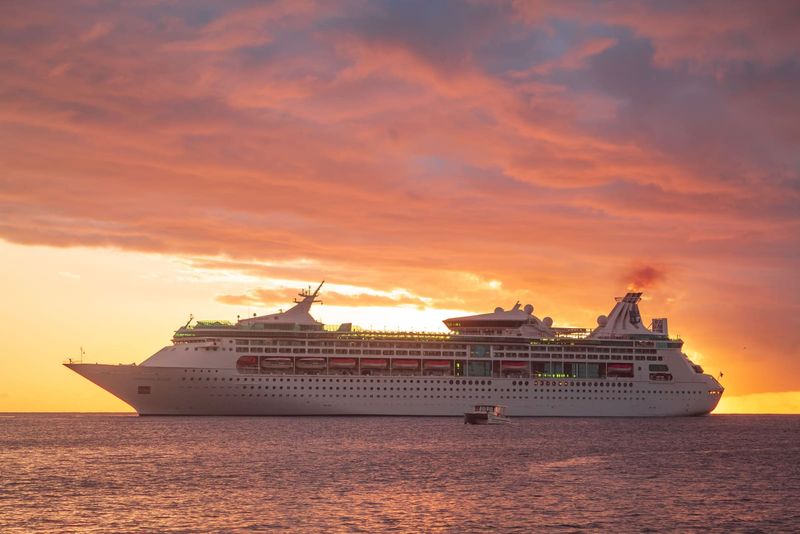
The new platform is part of a broader set of measures aimed at addressing overtourism. Barcelona receives around 16 million visitors annually, ten times its resident population. Over recent years, the city has banned new hotel construction in the centre, committed to eliminating 10,000 short-term rental licences by 2028, and plans to reduce its cruise ship terminals from seven to five by 2029.
Local frustration with tourism has become visible. Protests in crowded areas have included residents using water guns to spray unsuspecting tourists, an act that became symbolic of the strained relationship between the city and its visitors. The tourism board acknowledges that the conversation around tourism has focused heavily on negative impacts for the past 15 to 20 years, though Hernández argues that positive aspects should also be recognised.
The board's strategy is to shift the narrative by influencing demand rather than simply managing supply. By steering visitors towards events and experiences rather than static attractions, the hope is to distribute tourist activity more evenly and reduce the pressure on the most congested sites.
Centralised Ticketing and Practical Features
One of the platform's practical additions is centralised ticket sales for shows and attractions, accessible through the website and a forthcoming app called MyBarcelona. This consolidation is intended to make planning easier while guiding visitors towards the experiences the board wants to highlight.
The platform also includes pages on Barcelona's history, cultural traditions, and local stories, framing the city as more than a collection of landmarks. Hernández describes social media virality and external media promotion as having "killed the identity of the city," with many visitors arriving with a mental checklist shaped by short videos rather than an interest in the place itself.
The tourism board's suggestion is to reverse that pattern: come for a concert, an exhibition, or a particular restaurant, then consider visiting a Gaudí or Gothic building. The idea is to make the event or experience the anchor of the trip, with well-known sites as secondary.
Managing Identity and Flow
Hernández describes "massification and touristification" as the enemy. The platform is an attempt to reclaim some control over how Barcelona is experienced and understood, both by those who visit and those who live there. Whether the technology can meaningfully alter tourist behaviour, or simply nudge it at the margins, remains to be seen.
The rebrand and the algorithm represent a shift in thinking: rather than passively providing information, the tourism board is actively curating what visitors see and, by extension, what they do. The success of that strategy will depend on whether tourists engage with the platform as intended, and whether residents feel the changes make a difference in their daily lives.