A Different Kind of Queenstown Experience
Queenstown has built its reputation on speed and adrenaline, but a working sheep station across Lake Whakatipu is drawing visitors with something slower: the chance to dig into soil, learn where food comes from, and contribute to reforestation efforts in New Zealand's South Island.
Walter Peak High Country Farm remains a functioning sheep station, but it has opened parts of its operations to travellers interested in understanding how food moves from field to plate. The station's horticulturists walk visitors through orchards and gardens where produce ranging from pumpkins to elderberries grows, then offer tastings of honey and seasonal ingredients harvested on site.
The experience includes a practical conservation component. Visitors plant native trees as part of the station's reforestation work, a hands-on activity that connects tourism directly to ecological restoration. It is a model that addresses one of the tensions in New Zealand's tourism economy: how to welcome visitors without depleting the landscapes they come to see.
Getting There by Steamship
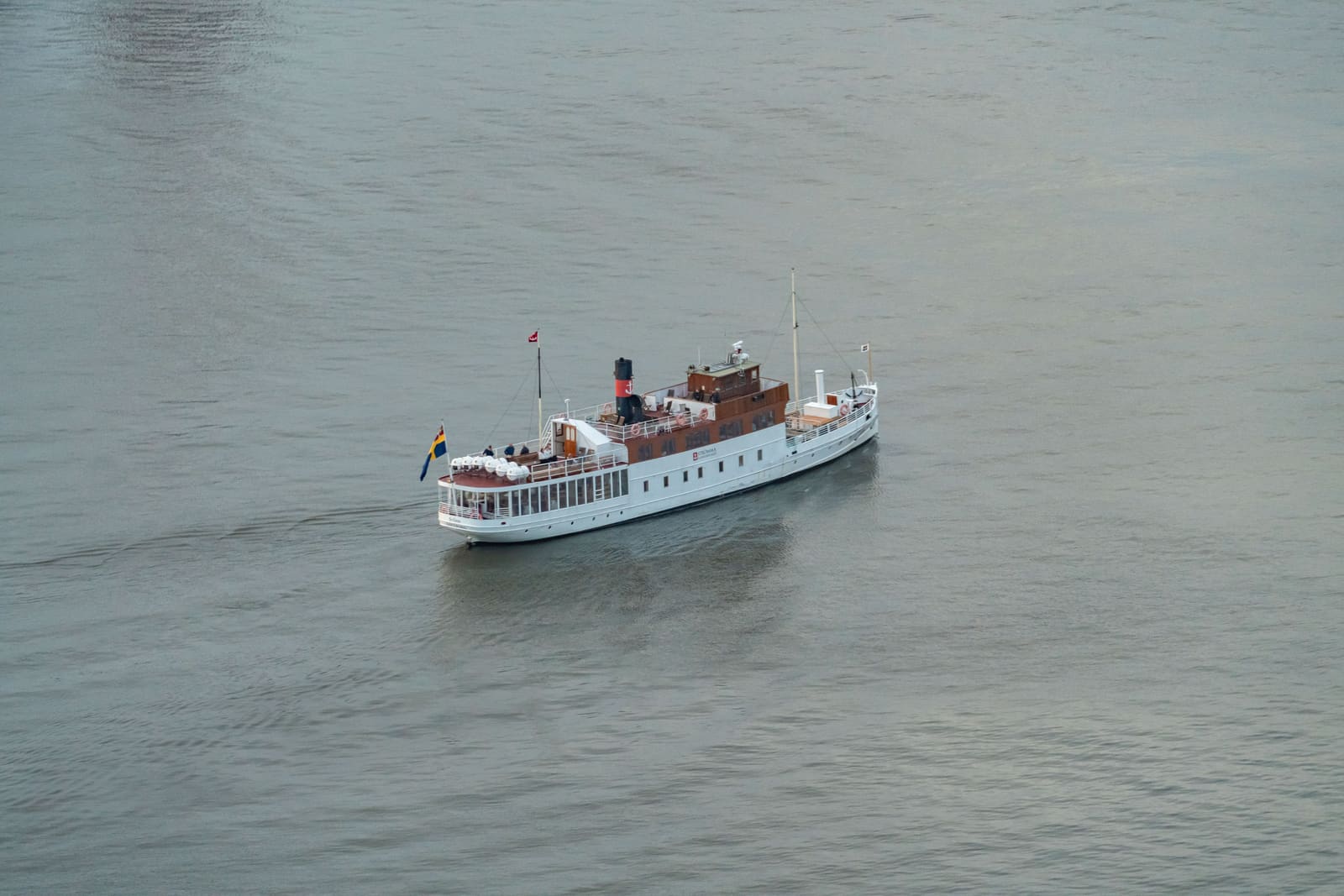
Access to Walter Peak requires a crossing on the TSS Earnslaw, a coal-fired steamship that has been moving passengers across Lake Whakatipu since 1912. The vessel travels at ten knots, a pace that feels almost comically unhurried in a town known for bungee jumping and jet boating.
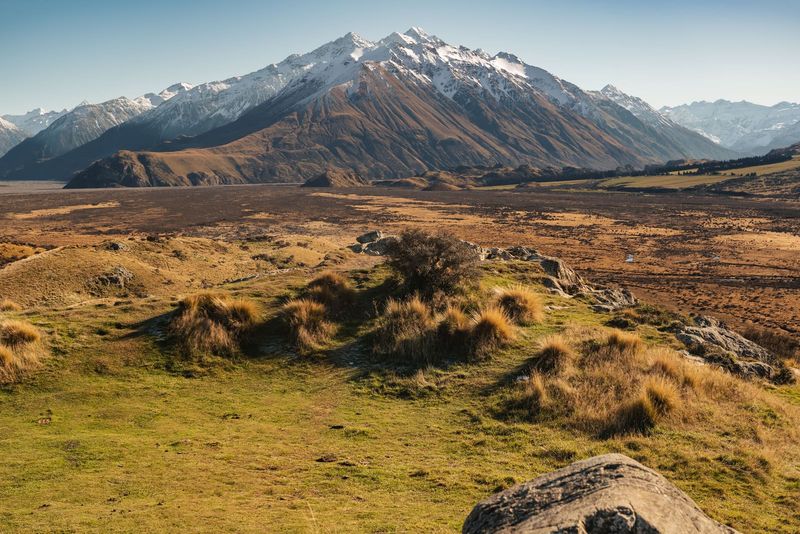
But that slowness serves a purpose. The crossing takes long enough to notice the surrounding peaks, the way light shifts on the water, and the scale of the landscape that makes Queenstown a magnet for outdoor tourism. The Earnslaw itself has become part of the region's identity, a visible piece of infrastructure that links the town to its agricultural hinterland.
The ship's continued operation is not purely nostalgic. It provides a functional transport link to Walter Peak and other lakeside properties, and its steam engine remains a working example of early 20th-century marine technology. For visitors, it offers a rare chance to experience a form of travel that has largely disappeared from commercial use.
Food Production as Education
Walter Peak's farm-to-table programme is built around transparency. Visitors see where food is grown, learn about the challenges of high-country horticulture, and taste the results. The station's honey comes from hives kept on the property; the seasonal platters feature vegetables and fruits grown in its gardens.
This kind of direct engagement with food production has become more common in tourism, but it remains relatively rare at scale. Most farm visits are either working operations with no visitor infrastructure or polished experiences that have little connection to actual agriculture. Walter Peak attempts to occupy a middle ground, maintaining its function as a sheep station while creating space for education.
The approach has practical appeal. Visitors leave with a clearer understanding of what it takes to grow food in a challenging climate, and the station gains an additional revenue stream that can support both its agricultural work and its conservation projects. It is a model that other rural properties in New Zealand and elsewhere are beginning to explore.
Conservation Tied to Visitation
The tree-planting component is more than a token gesture. Native reforestation is a priority across New Zealand, where introduced species and historical land clearing have reduced forest cover and threatened endemic plants and animals. Every tree planted by a visitor contributes to habitat restoration, and the cumulative effect over time can be significant.
Linking conservation work to tourism also creates a form of accountability. Visitors who plant a tree have a tangible connection to the place, and the station has an incentive to maintain and expand its reforestation efforts. It is a structure that aligns the interests of the business, the visitor, and the landscape.
This model is not unique to Walter Peak. Other properties in the region have begun incorporating conservation activities into their visitor offerings, recognising that travellers increasingly want to contribute positively to the places they visit. The challenge is ensuring that these activities are substantive rather than performative, and that they are integrated into broader ecological strategies rather than treated as isolated gestures.
Working Dogs and Agricultural Heritage
Before returning to Queenstown, visitors can watch a working dog demonstration. Sheep dogs are essential to high-country farming in New Zealand, where steep terrain and large properties make manual herding impractical. The demonstrations show how dogs respond to commands, move livestock, and work as part of a team with their handlers.
These shows are common on New Zealand farms that host visitors, but they serve a purpose beyond entertainment. They illustrate a skill set that remains central to the country's agricultural economy, and they connect visitors to a tradition that has shaped the South Island's rural culture for more than a century.
The demonstrations also highlight the intelligence and training required for this kind of work. The dogs are not performing tricks; they are doing the job they were bred and trained for, and the precision involved is immediately apparent. For visitors unfamiliar with farming, it is a reminder that agriculture is skilled labour, not a backdrop.
The Pace of Appreciation
The return journey on the Earnslaw offers a chance to reflect on the contrast between Walter Peak's unhurried rhythms and the high-speed activities that dominate Queenstown's tourism industry. Both have their place, but the slower experience provides something that adrenaline sports often do not: time to notice details, to absorb information, and to think about the systems that sustain a place.
That pace is increasingly relevant as tourism grapples with questions of sustainability and impact. Faster is not always better, and more is not always desirable. The challenge for destinations like Queenstown is to offer experiences that satisfy visitors without overwhelming the environment or the community.
Walter Peak's model suggests one possible direction: tourism that educates, that involves visitors in conservation, and that operates at a scale and pace that allows for genuine engagement. It is not a complete solution, but it is a step towards a more thoughtful relationship between travel and place.
Broader Context for Queenstown
Queenstown's tourism economy has grown rapidly over the past two decades, driven by international visitors drawn to adventure sports and dramatic scenery. That growth has brought economic benefits but also strain on infrastructure, housing, and natural resources. The town has been working to balance visitor numbers with livability and environmental protection, a challenge shared by many popular destinations worldwide.
Initiatives like Walter Peak's conservation-focused tourism offer one way to address that balance. By creating experiences that contribute to ecological restoration and education, they shift tourism from a purely extractive activity to one that can support environmental goals. Whether this model can scale, and whether it can generate sufficient revenue to be economically viable for more properties, remains to be seen.
For now, Walter Peak represents an alternative to the dominant narrative of Queenstown as an adrenaline capital. It is a reminder that the region's appeal is not only about speed and thrill, but also about landscape, agriculture, and the slower work of caring for land.