A Different Kind of Travel Guide
Fodor's Travel has published its 2027 Go and No Lists, a dual-track guide that points travellers toward 27 destinations with room to grow whilst naming eight popular places where visitor numbers are straining local resources. The lists function less as commandments and more as a framework for thinking through where your next trip might do the least harm and offer the most substance.
The Go List spans six continents and includes national parks, small cities, and islands that haven't yet hit saturation. The No List, meanwhile, identifies destinations where infrastructure, housing, or natural systems are buckling under tourism pressure. Neither list is absolute. The point is to prompt a question: does this trip make sense right now, and if so, how should it be done?
Shikoku and the Case for Japan's Quieter Side
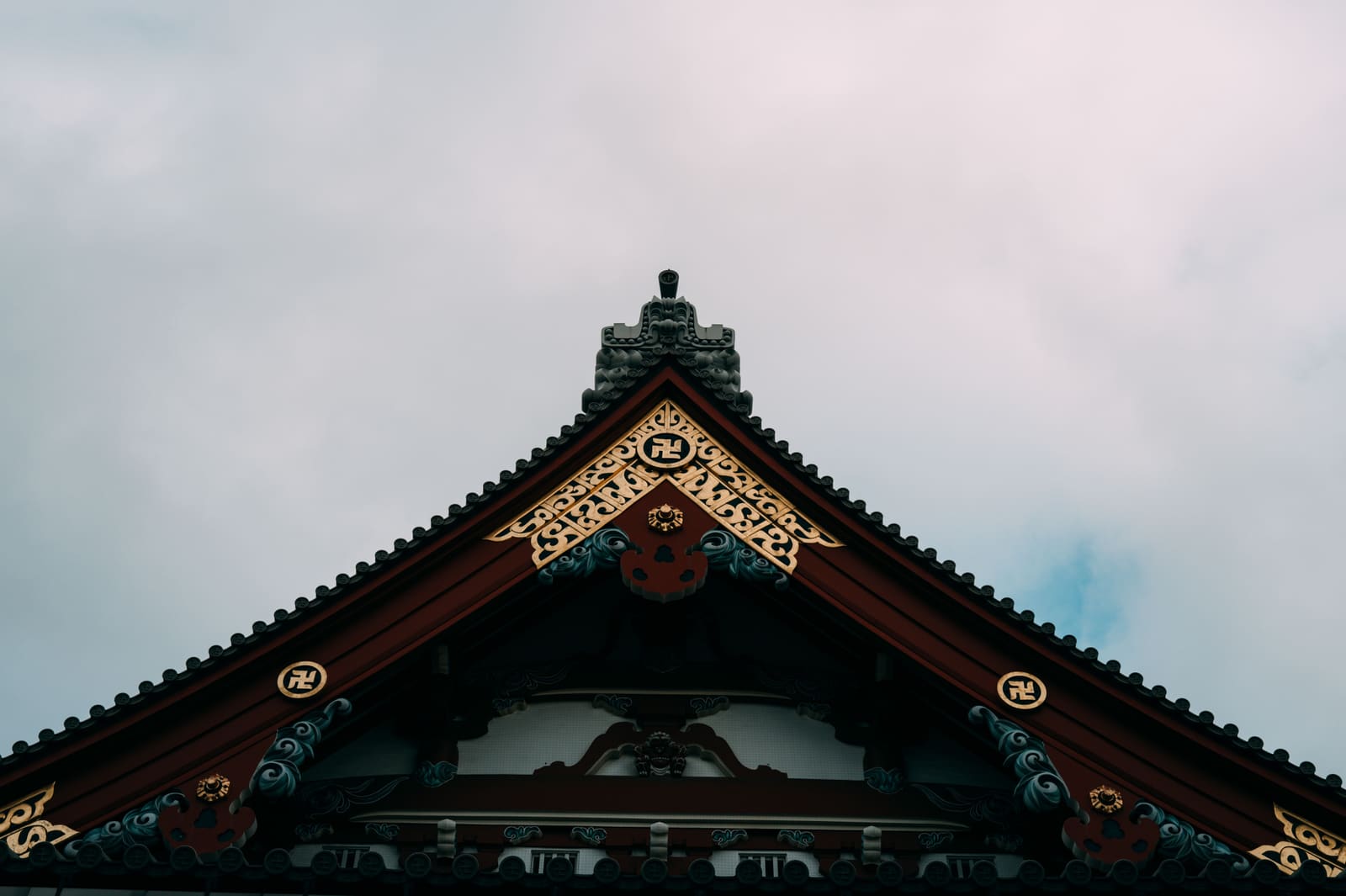
Japan's smallest main island, Shikoku, appears on the Go List as an alternative to Tokyo and Kyoto, both of which draw millions of visitors annually. Shikoku is known for its 88-temple pilgrimage route, a 1,200-kilometre loop that winds through rural valleys, coastal stretches, and traditional villages. Travellers don't need to walk the entire circuit to engage with it. Shorter sections offer access to the island's temple culture and mountain scenery without the commitment of a multi-week trek.
The island's appeal lies in its slower pace. Outside the pilgrimage season, visitor numbers are manageable, and accommodation options range from temple lodgings to family-run guesthouses. For travellers seeking a cultural experience in Japan without the queues, Shikoku offers a workable option.
Grenada's Spice Heritage and Caribbean Depth
Grenada, a small island nation in the eastern Caribbean, earns its place on the list for reasons beyond its beaches. Known as the Spice Isle for its nutmeg and cinnamon plantations, the island has a food culture shaped by African, French, and Indian influences. Markets in the capital, St George's, sell fresh spices alongside cocoa products, and chocolate-making tours trace the island's long history with cacao cultivation.
The island's terrain includes rainforests, waterfalls, and hiking trails, whilst its underwater sculpture park near Molinere Bay has become a draw for snorkellers and divers. Grenada sees fewer visitors than neighbouring islands such as Barbados or St Lucia, which means accommodation and tour operators tend to be locally owned and smaller in scale. For travellers looking for a Caribbean destination with substance beyond the resort strip, Grenada offers depth.
Gwaii Haanas and the Logistics of Remote Access
Gwaii Haanas National Park Reserve and Haida Heritage Site in British Columbia requires effort to reach. Located in the Haida Gwaii archipelago off Canada's west coast, the protected area is co-managed by the Council of the Haida Nation and Parks Canada. Access is by boat or floatplane only, and visitor numbers are capped to protect the area's ancient forests, shoreline ecosystems, and Haida heritage sites.
The remoteness is part of the appeal. Travellers willing to arrange guided trips or chartered transport gain access to old-growth forests, marine wildlife, and ancestral Haida villages that few others will see. It's not a casual weekend trip, but for those seeking an experience shaped by cultural stewardship and ecological sensitivity, Gwaii Haanas delivers.
Where the Pressure Shows
The No List names eight destinations where tourism growth has outpaced infrastructure or community capacity. Bali faces waste management failures, water shortages, and pollution linked to rapid development in tourism zones. Kyoto's historic neighbourhoods are dealing with congestion that disrupts residents' daily routines, prompting local authorities to introduce visitor management measures.
Italy's Amalfi Coast struggles with narrow coastal roads and limited parking, particularly during summer months when visitor numbers peak. In Edinburgh and Sedona, Arizona, short-term holiday rentals have reduced the availability of long-term housing for local residents, a pattern that plays out in many tourism-dependent places.
The Albanian Riviera, Corsica, and Tanzania's Ngorongoro region also appear on the list, each facing distinct pressures related to infrastructure, resource use, or ecological impact.
What the No List Actually Means
Being named on the No List doesn't translate to a blanket warning to stay away. It signals that a destination is under strain and that travellers should weigh the timing, duration, and structure of their visit. Visiting Kyoto in November rather than April, staying in a locally owned guesthouse rather than a chain hotel, or spending a week in one neighbourhood instead of ticking off landmarks across the city all shift the impact.
The distinction matters because tourism isn't inherently destructive. It becomes problematic when volume exceeds capacity, when profits leave the community, or when visitor behaviour disregards local norms. The No List asks travellers to consider whether their presence adds to those problems or whether thoughtful planning can mitigate them.
Shoulder Seasons and Spending Patterns
One of the most effective ways to reduce pressure on popular destinations is to travel outside peak periods. Shoulder seasons typically bring milder weather, lower accommodation costs, and fewer crowds. They also distribute tourism income across more months of the year, which benefits businesses that rely on seasonal trade.
Where you spend money also shapes impact. Locally owned hotels, independent restaurants, and neighbourhood tour operators keep a larger share of tourism revenue within the community compared to international chains or online platforms that route profits offshore. Choosing these businesses doesn't require sacrifice. It often leads to better food, more personalised service, and a clearer sense of place.
The 2027 Roadmap
Fodor's full Go List includes 27 destinations spanning South Africa's Addo Elephant National Park, England's emerging wine country, Vermont's lakeside city of Burlington, and Indonesia's island of Sumba. The range reflects an intent to showcase places where tourism infrastructure exists but hasn't yet overwhelmed local life or ecosystems.
The lists won't solve overtourism on their own, but they offer a starting point for travellers willing to ask harder questions about where to go and when. As visitor numbers continue to rebound globally, the challenge isn't to stop travelling but to travel in ways that leave destinations better positioned to host the next wave.