A Narrowing Calendar
The rhythm of travel has long followed the weather. Summer means beaches, winter means skiing, and shoulder months offer a sweet spot between crowds and comfort. That rhythm is about to change. Research covering 2,588 destinations in 263 countries and territories suggests that by mid-century, more than a third of those places will face conditions less suited to the activities that draw visitors today.
The analysis, produced by NGO Travel Forward working with risk modelling firm Risklayer and the Centre of Expertise Leisure, Tourism and Hospitality in the Netherlands, looks at how climate hazards and shifting weather patterns will affect sightseeing, swimming, and hiking. The term it uses is "squeezed": destinations where extreme weather becomes more frequent whilst the climate simultaneously becomes less favourable for common outdoor pursuits. Under a moderate emissions pathway, 36 per cent of destinations fall into that category by 2050. If emissions remain high, the figure climbs to 62 per cent.
The report, called Destination Climate RiskScan, does not predict disaster so much as disruption. Beach towns may lose weeks or months when the water is pleasant and the sun tolerable. Mountain trails may become uncomfortably hot in what used to be prime hiking season. City breaks may require planning around heat rather than rain.
What "Squeezed" Actually Means
The study defines a squeezed destination as one facing a double burden: rising exposure to extreme events such as storms, floods, or heat waves, combined with a climate that becomes less hospitable for the activities visitors expect. It is not simply about danger; it is about comfort, timing, and the viability of long-established itineraries.
For operators, this presents a planning challenge that goes beyond crisis management. A destination that remains safe but uncomfortable for half the year requires a different business model. Tour companies, hotels, and activity providers built around peak summer or winter seasons may find those peaks flattening or shifting. The question is not whether to adapt, but when to start.
Regional Patterns Emerge
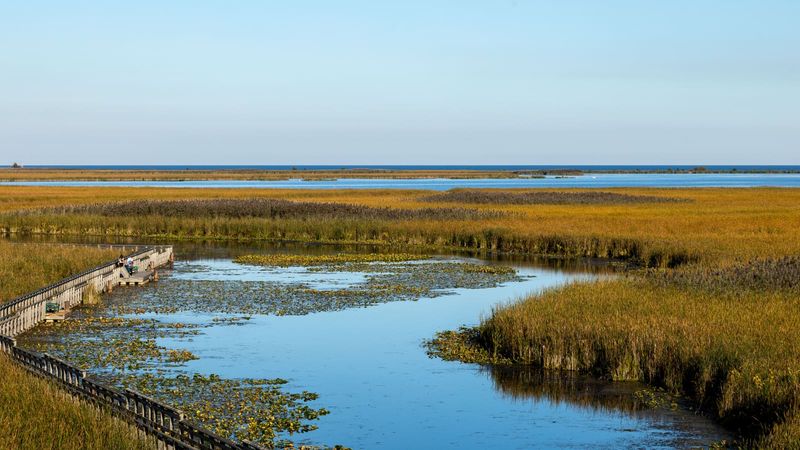
Whilst the report covers destinations globally, the pressure will not be evenly distributed. Coastal regions dependent on beach tourism are particularly exposed. If water temperatures rise or air temperatures make midday sun unbearable, the traditional summer holiday loses its appeal. Some Mediterranean and Caribbean destinations already see visitor numbers drop during the hottest weeks; that window may widen.
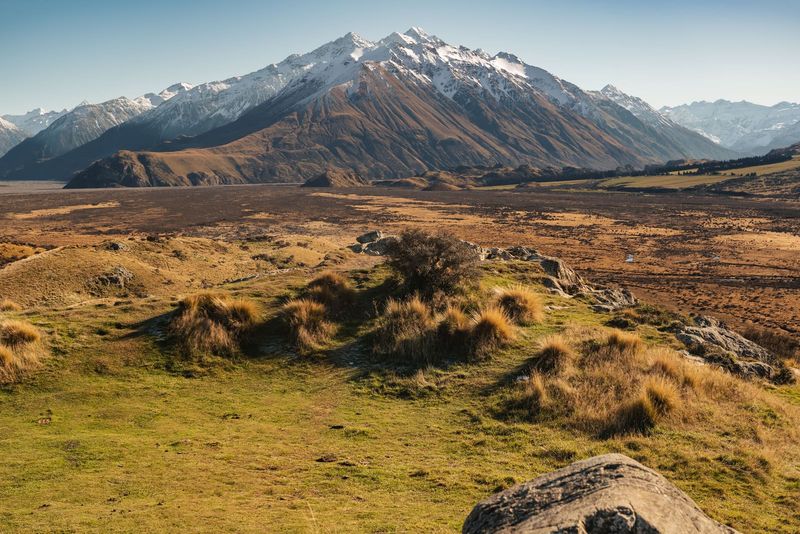
Mountain and alpine areas face a different set of risks. Warmer temperatures may extend the hiking season at higher altitudes but make lower trails unpleasant earlier in the year. Ski resorts, already grappling with shorter snow seasons, may find their winter window compressed further. The knock-on effects reach beyond the slopes: mountain villages, equipment hire, and transport networks all depend on predictable seasons.
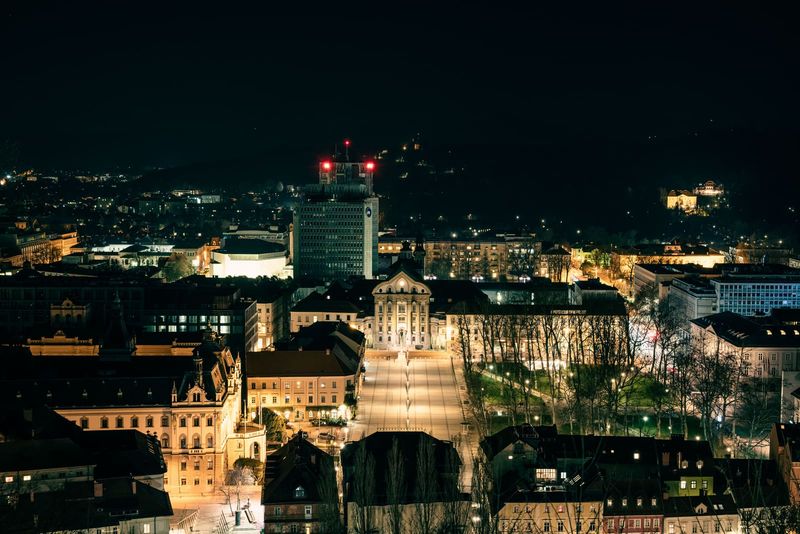
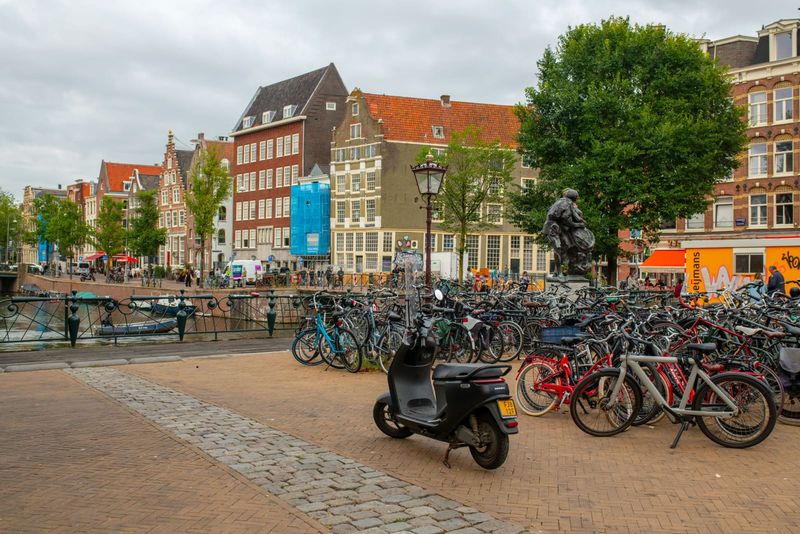
Urban destinations are not immune. Cities that rely on walking tours, outdoor markets, and al fresco dining may need to rethink summer programming. Heat that makes sightseeing uncomfortable also strains infrastructure, from public transport to water supply. The appeal of a city break in August may fade if the experience involves seeking air conditioning rather than exploring streets.
The Shoulder Season Opportunity
One response is to shift focus to the edges of the calendar. Shoulder seasons, traditionally quieter and cheaper, may become the new peak as travellers seek milder conditions. Spring and autumn could offer the weather that summer once did, and operators who invest in those months now may find themselves ahead of the curve.
This is not a simple swap. Shoulder seasons are shorter, and extending them requires infrastructure, staffing, and marketing that many destinations have not prioritised. Schools and work schedules still concentrate holidays in summer and winter, creating a mismatch between when people want to travel and when conditions are best. Changing that will take more than better weather forecasts; it will take shifts in how societies organise time off.
Cooler Hours, Different Itineraries
Another adaptation is to change the daily rhythm of travel. If midday heat becomes oppressive, tours can shift to early morning or late afternoon. Night markets, evening hikes, and dawn excursions may become standard rather than novelty. This requires rethinking not just schedules but also lighting, safety, and the activities that work in lower light.
Some destinations are already experimenting. Desert regions have long offered sunrise and sunset experiences; coastal towns in hot climates are extending evening hours for dining and entertainment. The challenge is scaling these adjustments across an industry built on daylight hours and predictable routines.
Planning Beyond the Next Heat Wave
The report's timeline runs to 2050, which may feel distant but is well within the investment horizon of hotels, resorts, and transport infrastructure. Decisions made now about where to build, what to promote, and how to staff will shape whether destinations can absorb the changes ahead or find themselves stranded by them.
Waiting for the next extreme weather event to force action is a common pattern, but it leaves little room for strategic adjustment. The destinations that fare best will be those that treat climate not as a one-off crisis but as a shifting baseline, requiring continuous recalibration of what they offer and when they offer it.
The research does not predict the end of travel, but it does suggest the end of assuming that next year will look much like last year. For an industry built on seasons, that is a fundamental shift.