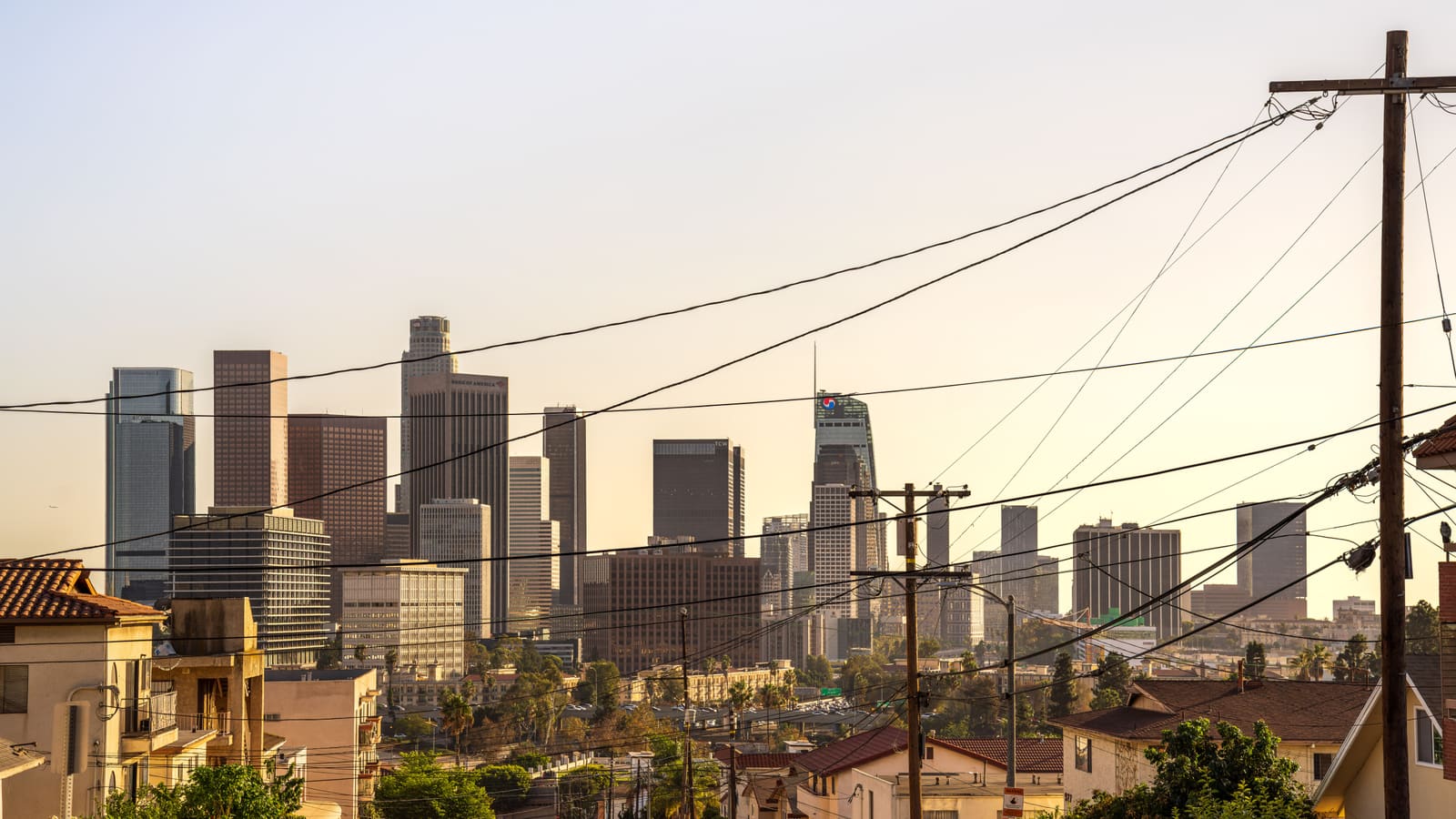
Suburbs Move Where the City Didn't
In early June, Los Angeles voters rejected a proposal to increase the city's lodging tax. Five months later, a dozen cities surrounding it decided to go ahead with their own hikes.
Preliminary results from the 3 November elections show that twelve cities in Los Angeles and Orange counties approved changes to lodging taxes, according to the California Local Government Finance Almanac. Ten of those cities either created new rates or raised existing ones. Two expanded the scope of their current tax to cover more types of short-term stays. In at least two cases, the new rates now exceed Los Angeles' own 14 per cent levy.
The timing is no accident. The greater Los Angeles area is preparing for an influx of roughly 2 million visitors during the 2028 Olympics. That wave of demand gives suburban councils a narrow window to lock in higher revenue before hotels fill up and visitors arrive with limited alternatives.
Why Voters Say Yes
Lodging taxes have a structural advantage at the ballot box: the people who pay them rarely vote in the jurisdiction that collects them. For cities wrestling with budget shortfalls, a hotel levy offers a way to raise revenue without asking residents to reach into their own pockets.
The sums involved are often modest in the context of a municipal budget, but they add up. More importantly, they shift some of the cost of local services onto visitors, a move that tends to poll well with residents who see tourism as both an economic benefit and a strain on infrastructure.
What It Means for Travellers
The immediate effect is straightforward: accommodation in the LA suburbs is about to cost more. For cities that have now pushed their rates above Los Angeles itself, the calculus for travellers shifts slightly. Staying outside the city centre has traditionally been a way to save money, especially for families or groups renting larger units. That margin is narrowing.
The broader question is whether these increases will dampen demand or simply be absorbed. Olympic visitors tend to be less price-sensitive than leisure travellers, and the scale of the event means supply will be tight regardless. But for the years following 2028, the higher rates will remain, and the competitive landscape among LA-area cities may start to matter again.
A Pattern That Extends Beyond LA
Los Angeles is not unique in this regard. Cities hosting major events often use the lead-up to adjust their lodging tax structures, knowing that the event itself provides political cover. The Olympic deadline gives local officials a clear rationale, and the expectation of high occupancy rates makes the increase easier to justify.
What makes this round of changes notable is the coordination, even if informal. A dozen cities moving in the same election cycle suggests a shared understanding of the opportunity. It also reflects a broader trend in the United States, where lodging taxes have become a favoured tool for local governments seeking revenue without raising property or sales taxes.
The 2028 Olympics are still more than a year away, but the groundwork for higher accommodation costs is already being laid. For travellers, that means budgeting accordingly. For cities, it means a gamble that demand will hold even as prices climb.