A Record Summer, Unevenly Distributed
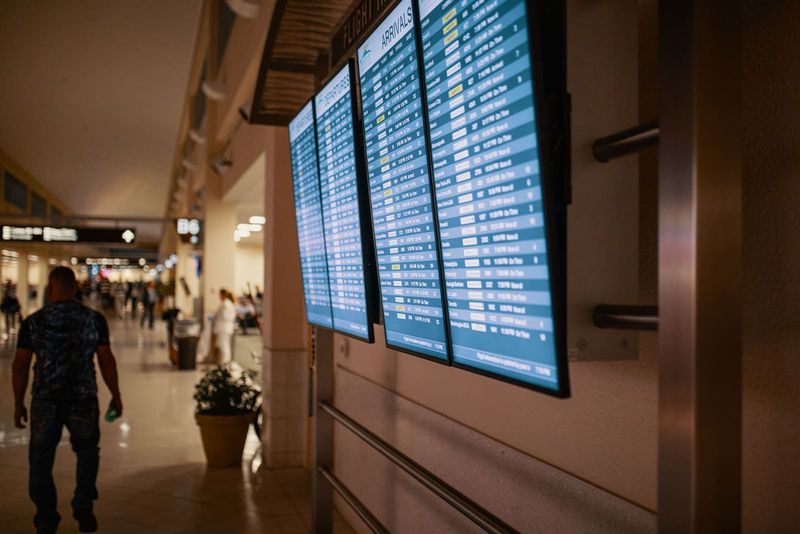
British airports handled 91.3 million passengers between July and September, the highest three-month total the country has recorded, according to the Civil Aviation Authority. The figure edges past the 90.2 million moved during the same period in 2024 and surpasses the pre-pandemic benchmark of just under 90 million in 2019.
Yet the growth was far from uniform. Luton saw terminal traffic rise 8 per cent year on year, Stansted climbed 6 per cent, and Edinburgh grew 4 per cent. At the same time, Heathrow lost 2 per cent of its passengers and Gatwick shed 3 per cent, a split that underscores the shifting geography of British air travel.
Budget carriers drove much of the increase. Ryanair carried 1.5 million more passengers than it did during the same quarter in 2024, Jet2 added 700,000, and easyJet brought in an extra 400,000. The top five international destinations remained firmly European and familiar: Dublin, Palma de Mallorca, Alicante, Malaga, and Amsterdam.
Gulf Connections Drop Sharply
Travel to the Middle East contracted sharply over the summer. Passenger numbers to Doha fell 23 per cent and Dubai traffic dropped 22 per cent compared with the year before, a decline the regulator attributed to ongoing conflict in the region.
The pull-back is notable not only for its scale but also for what it signals about how quickly demand can shift when geopolitical risk rises. Both cities have served as major connection hubs for long-haul travel from the UK, particularly to Asia and Australasia, meaning the decline likely reflects not just fewer leisure trips but also re-routed itineraries.
Punctuality improved across the sector. Two-thirds of flights now arrive or depart within 15 minutes of their scheduled gate time, a modest but measurable gain that suggests operational pressure has eased since the staffing shortages and congestion that marked the immediate post-pandemic recovery.
Cargo Climbs Toward a 35-Year High
Air cargo is having a quieter but arguably more significant year. The UK is on track to move nearly three million tonnes of goods by air in 2026, a figure that would rank among the highest since 1990, according to the Civil Aviation Authority.
Between July and September alone, cargo volumes rose 3 per cent year on year to 699,000 tonnes. Heathrow handled 13,000 additional tonnes, and both Manchester and Gatwick added 4,000 tonnes each. New York was the leading cargo destination, with Doha, Dubai, Shanghai, Delhi, Mumbai, and Beijing also in the top ten.
Glasgow Prestwick recorded a 43 per cent year-on-year increase in cargo tonnage, adding 5,000 tonnes. The airport is expected to export more than 3.5 million kilogrammes of Scottish salmon by the end of the year. At Heathrow, salmon was the heaviest single export category over the summer, followed by printed books and diesel vehicle engines.
Inbound cargo includes electronics, fashion, skincare, roses, and fresh fruit, a mix that reflects both the seasonality of air freight and the premium consumers place on speed for certain goods.
The cargo figures matter because they sit outside the usual narratives of passenger growth and airport expansion. They represent trade flows, supply-chain choices, and the economic weight of industries that depend on fast, reliable connections. And they suggest that even as some passenger routes contract, the infrastructure supporting goods movement is being used more intensively than it has been in decades.
The contrast between declining Gulf passenger traffic and rising cargo volumes to the same region also points to a divergence: business and trade links can remain robust even when leisure and transit demand softens.