The Vanishing Edge of Wilderness
The Amazon's appeal to travellers rests on a promise of distance: days from civilisation, hours from the nearest road, surrounded by forest that stretches unbroken in every direction. But that geography is shifting. Cities that serve as entry points to the rainforest have grown fast enough that lodges once considered remote now sit within sight of suburbs, shopping centres, and industrial zones.
Manaus, the Brazilian city that anchors most Amazon tourism, illustrates the tension. Its population has climbed past 2.2 million, and the urban footprint spreads steadily along the rivers that were once the only routes into the forest. What used to be a two-hour boat ride to reach undisturbed jungle now delivers travellers to areas where the hum of outboard motors and the glow of streetlights are part of the soundscape.
For operators who sell rainforest immersion, this poses a structural problem. The product they market is defined by what it lacks: roads, noise, evidence of human settlement. When that absence disappears, so does the value proposition.
Retreating Further Inland
The response has been to move. Lodges are being built or relocated at greater distances from the traditional gateway cities, pushing itineraries deeper into the forest and adding travel time to what were already long journeys. The shift is most visible in Brazil, where the Amazonas state tourism agency has tracked a rise in visitor numbers that now includes around 17,000 people annually when crew members are counted.
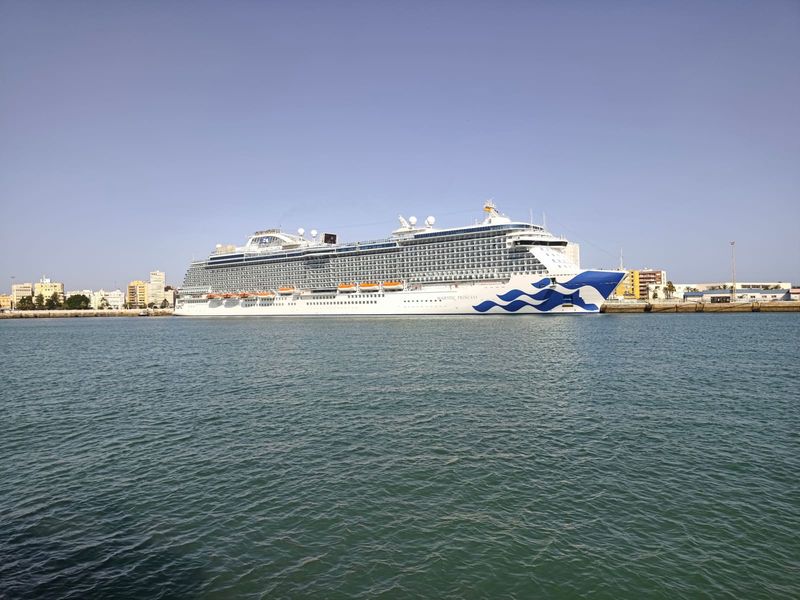
River cruises are following the same trajectory. CroisiEurope plans to introduce sailings next year that stretch from Brazil into Colombia, reaching sections of the river system that have seen little commercial tourism. Seabourn, part of Carnival Corporation, has scheduled Amazon river itineraries for 2028. Lindblad brought in a 42-guest vessel this year, doubling the number of berths it operates in the region. Ponant acquired a controlling share in Aqua Expeditions, which runs small-ship cruises on Peruvian tributaries.
Each of these expansions reflects the same calculation: proximity to gateways no longer delivers the experience that justifies the price. The further upstream an operator can take guests, the more convincingly it can claim to offer something rare.
What Urbanisation Takes Away
The creep of development does more than alter the view. It changes the ecosystem in ways that travellers notice. Wildlife moves away from noise and light. Water quality declines near populated areas. The rhythm of the forest - the patterns of animal behaviour, the density of vegetation, the stillness at dawn - shifts in response to human activity.
For high-end operators, those changes matter because their guests expect encounters that feel unscripted: a jaguar on a riverbank, a canopy thick enough to block out the sky, silence broken only by birdsong. When those elements become harder to deliver close to the cities, the only option is to go where they remain intact.
The economics of this shift are not simple. Building a lodge further from a gateway means higher construction costs, longer supply chains, more complex logistics for staff rotation and waste management. Travel time increases, which can limit the pool of potential guests willing to commit to the journey. Insurance and emergency evacuation planning become more complicated when the nearest hospital is another day away.
Yet operators are absorbing those costs because the alternative - staying closer to the cities and watching the product erode - is worse. In a market where remoteness is a selling point, losing it means losing competitive position.
The Capacity Question
The expansion of cruise operations adds another layer of pressure. A river cruise ship, even a small one, brings dozens or hundreds of people to a single stretch of waterway. Those vessels need anchorage, fuel, provisions, and routes that avoid shallow water and seasonal hazards. The infrastructure required to support them - docking points, waste disposal, communication systems - begins to reshape the areas they visit.
This creates a paradox. The more capacity operators add to meet rising demand for Amazon travel, the more they risk undermining the qualities that generate that demand in the first place. A river that sees one small ship per week offers a different experience from one that hosts daily departures. The wildlife adapts, the guides adjust their routes, and the sense of discovery diminishes.
Some operators have responded by limiting group sizes, spacing out departures, or negotiating exclusive access to certain areas. Others are investing in conservation projects, hoping to offset their impact by funding habitat protection or species monitoring. These efforts help, but they do not resolve the underlying tension between growth and preservation.
Who Pays the Price
The shift deeper into the forest has consequences beyond the tourism industry. Indigenous communities and traditional river populations, who have lived in these areas for generations, suddenly find themselves on newly desirable real estate. Land that was previously too remote to attract commercial interest becomes valuable when operators start looking for sites beyond the reach of urbanisation.
This brings both opportunity and risk. Some communities have negotiated partnerships with lodge operators, gaining employment and revenue in exchange for access to their territories. Others have seen their customary lands encroached upon without consultation, as developers and tour companies secure permits through state or federal channels that bypass local decision-making.
The Brazilian government has designated large sections of the Amazon as protected areas or indigenous reserves, but enforcement is inconsistent and the boundaries are contested. When tourism operators move into these zones, they enter a landscape where land rights, environmental protections, and economic interests overlap in complicated ways.
The Long View
The pattern playing out in the Amazon is not unique. High-end tourism has a tendency to follow the same arc: discover a remote place, build access to it, attract more visitors, watch the place change, then move on to the next frontier. The cycle repeats, leaving behind infrastructure and altered landscapes.
What makes the Amazon different is the scale and the stakes. The rainforest is not just a backdrop for tourism; it is a climate system, a biodiversity reservoir, and home to millions of people. The decisions operators make about where to build, how many guests to bring, and what standards to uphold ripple outward in ways that matter beyond the travel industry.
For now, the solution has been to keep moving upstream. But rivers have limits, and so does the forest. At some point, there will be nowhere left to retreat to. When that happens, the industry will need a different answer.