A Waterway New to Leisure Travel
The Magdalena River remains Colombia's busiest commercial artery, yet until recently it had no luxury passenger vessels. AmaWaterways began operating two ships in 2025, each carrying between 30 and 32 cabins. The seven-night itinerary runs between Barranquilla and Cartagena, threading through wetlands and small settlements that rarely see visitors.
The river carries debris from the Andes at speed after rainfall, creating currents strong enough to make branches fly past cabin balconies. Water levels shift with seasonal droughts and El Niño patterns, forcing the crew to adjust routes on each voyage. Some nights the ship cannot reach the colonial town of Santa Cruz de Mompox; when the river blocks access to El Banco, performers travel four hours by boat to meet passengers instead.
Performances Rooted in Place
Music and dance shape the itinerary. In Santa Bárbara de Pinto, villagers act out the harvest of bollo limpio, a cornmeal roll wrapped in husks and sold during Barranquilla's pre-Lenten festival. The sequence mimics field labour, turning a snack into choreography.
Cumbia, Colombia's best-known musical style, originates along this stretch of river. Casa Calíbana, an ensemble from El Banco, boards the ship to explain the instruments: the guache shaker imitates waves, the caña de millo flute echoes bird calls. Passengers learn the steps and wear flowers pinned into their hair.
At the embarkation event in Barranquilla, dancers in alligator costumes perform El Hombre Caimán, a comic tale of a man transformed into a caiman after spying on bathing women. Another piece, the Garabato, depicts a cloaked figure representing death who interrupts courting couples.
Two Stops With Deep Histories
Calamar, a riverside settlement in Bolívar Department, lost trade traffic as highways expanded. Bicycle taxis carry visitors past vendors and fishermen unloading catches. Performers stage Son de Negro, a colonial-era dance in which men painted their bodies black and wore red feathers to mock Spanish enslavers.
San Basilio de Palenque, founded by people who escaped slavery, is recognised as the first free Black community in the Americas. The Guardia Cimarrona, a volunteer group made up mostly of women and farmers, enforces local rules; poultry theft is the most common offence, punished by 12 hours of solitary reflection or community service.
Palenque is also home to the palenqueras, women who travel to Cartagena to sell fruit and pose for photographs in the walled city. They wear polleras, full-skirted dresses in bright colours, and carry bowls on their heads. Visitors are encouraged to greet them in palenquero, a Spanish-based creole, with "kumo, kusa a tá?" before negotiating a rate.
Kombilesa Mí, a folk rap group that blends traditional rhythms with hip-hop, hosts a studio session for passengers. The band's name translates as "my friends".
Employment Beyond the Passenger Experience
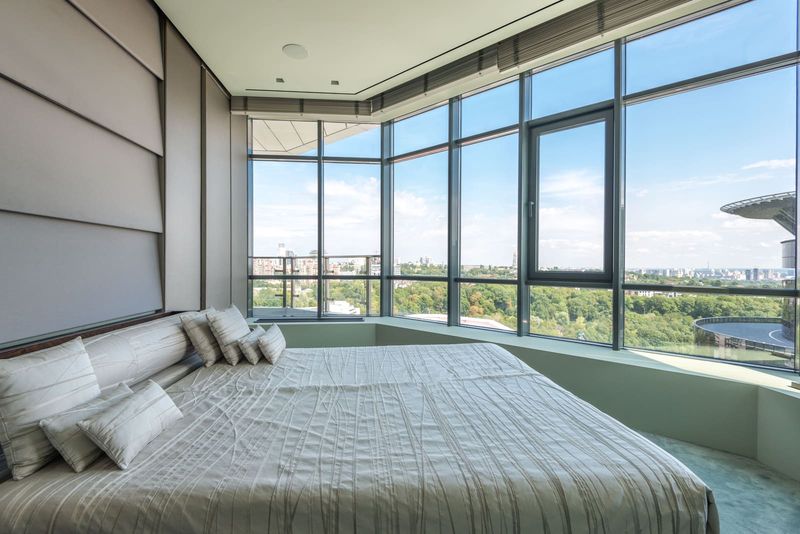
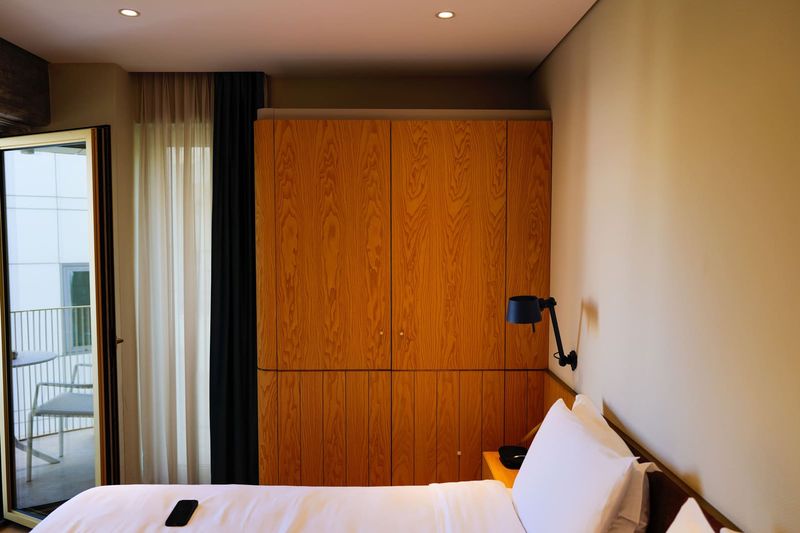
Before the ships carried travellers, they generated work during construction. Both vessels arrived in Cartagena as empty hulls. Colombian builders completed the interiors, and artisans were commissioned to produce furnishings for the staterooms.
The AmaWaterways team spent time exploring 900 miles of navigable river by canoe, meeting communities to gauge interest in hosting visitors. Many residents questioned what they could offer, overlooking the wetlands, birdlife and cultural traditions that outsiders might value. The cruise manager described the project as ambitious; locals were equally uncertain.
Fishermen now guide sunrise and dusk excursions in narrow canals, showing passengers catches of bocachico and catfish. With fish stocks declining, some villages see tourism as an economic alternative that encourages wetland conservation. Artisanal casters motor alongside the tender boats to display their nets and hauls.
A Festival Model Afloat
Barranquilla's carnival, one of the world's largest, emphasises participation over spectacle. AmaWaterways borrowed that principle for its embarkation event and onboard programming. Passengers clap on the riverbank, try instruments, and join dance lessons rather than watch from a distance.
The ship's capacity is 60 guests, small enough that the schedule can flex around river conditions and community availability. The route follows the Magdalena from the Caribbean coast inland, passing tugs and barges but few other leisure craft. Birdsong and the rush of water set the pace between stops.