A New Model for Sports Travel
Travel + Leisure Co. has opened Sports Illustrated Resorts Nashville, a 185-suite property positioned along Music Row, roughly a mile from the city's downtown core and the Gulch district. The property represents the first location in a planned portfolio of four sports-focused resorts, which together will total more than 800 units.
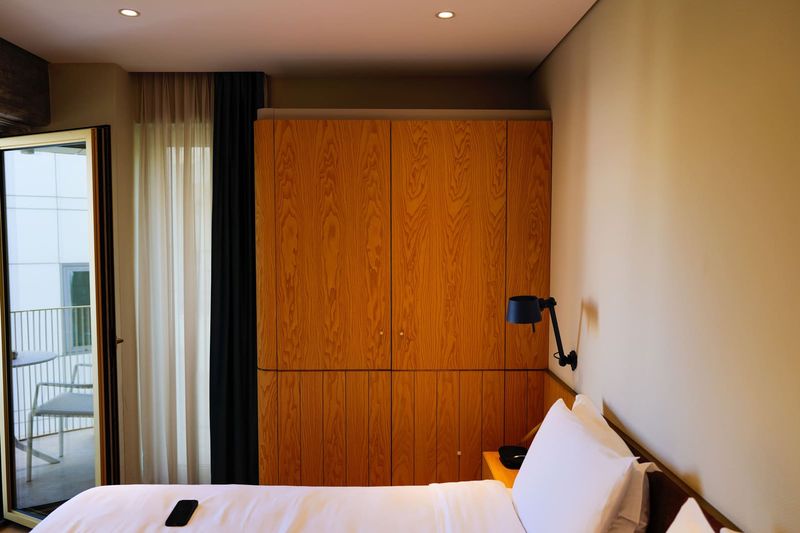
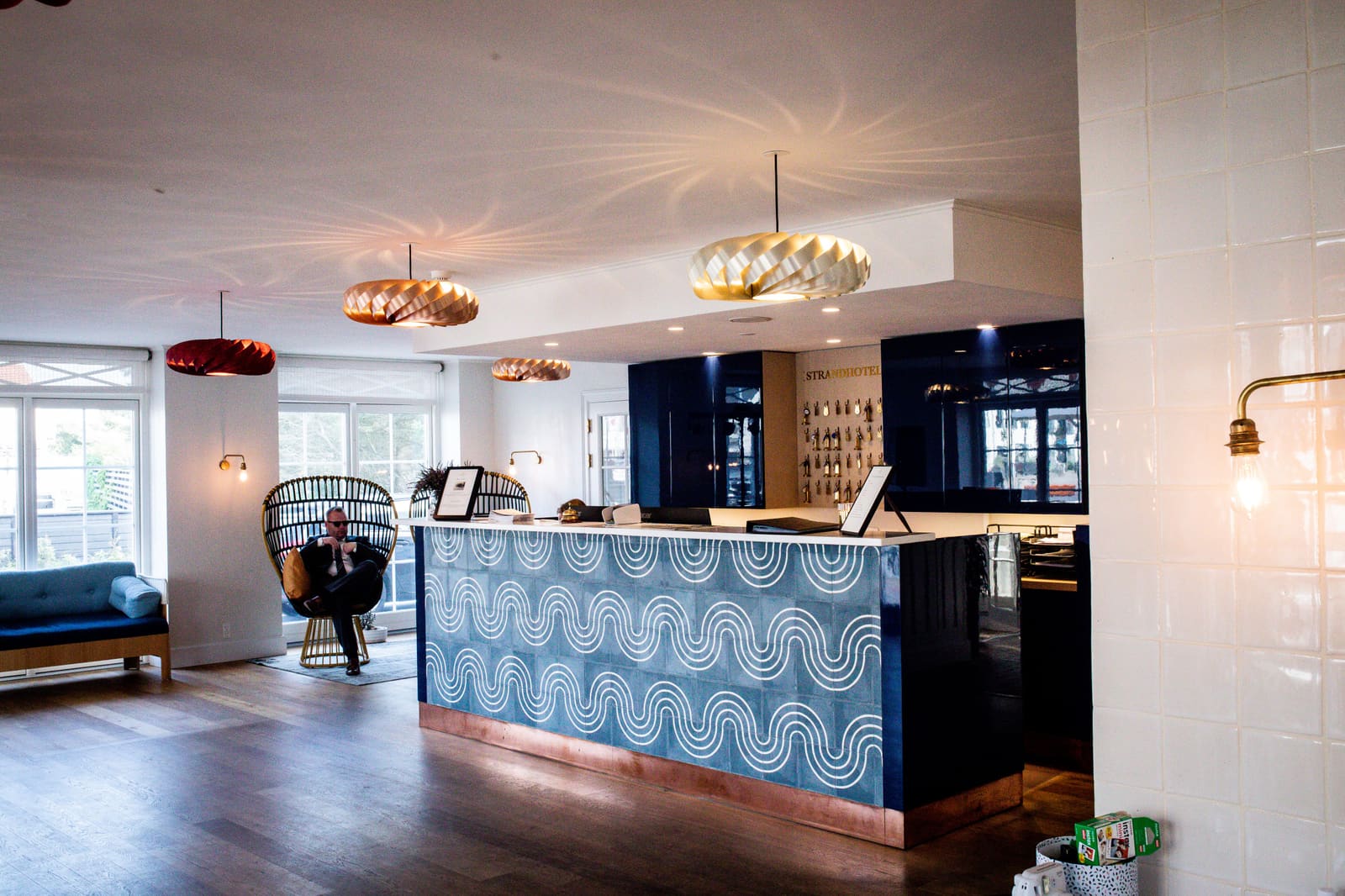
The Nashville site offers studio, one-bedroom and two-bedroom configurations. Each suite includes a full kitchen and in-unit laundry facilities. The property also features a fitness centre, a sports bar, an all-ages game room, a tailgate deck and what the company describes as a Sports Concierge service.
Geoff Richards, chief operating officer at Travel + Leisure Co., described the opening as a milestone for the brand. The property is designed to serve visitors attending sporting events, families on college visits and groups planning weekend trips.
The Expansion Pipeline
Three additional properties are in development. A Chicago location is scheduled to open in spring 2027. A Baton Rouge property in Louisiana will launch in phases throughout 2027 and will combine a vacation club, a hotel and condominium residences under one roof. In 2028, a Tuscaloosa property near the University of Alabama is planned as the brand's first ground-up resort.
Sports Illustrated Resorts operates under a licence from Authentic Brands Group. The brand began as a vacation club concept and is now expanding into hotels and condominium residences. Travel + Leisure Co. acquired the rights to develop the brand from Sports Hospitality Ventures in 2023, with a focus on college towns across the United States.
Last month, Wyndham Hotels & Resorts announced a partnership with Travel + Leisure Co. to help expand the Sports Illustrated Resorts brand into additional hotel locations.
Why Suite Layouts Matter for Sports Travel
The all-suite format addresses a specific set of needs for sports-related travel. Families visiting campuses, groups attending tournaments and fans travelling for multi-day events often require more space and flexibility than a standard hotel room provides. Full kitchens allow guests to prepare meals between games or events, reducing the cost of dining out over several days. In-unit laundry becomes useful for extended stays, particularly during tournament weekends when visitors may need to refresh clothing between matches.
The proximity to downtown Nashville positions the property within reach of Vanderbilt University athletic events, professional sports venues and the city's entertainment districts. Nashville has become a popular destination for sports tourism, hosting NCAA tournament games, professional hockey and football, and a growing calendar of collegiate and amateur competitions.
The tailgate deck and game room cater to the social rituals that surround sports travel. Tailgating culture, particularly in American college sports, often extends beyond the stadium itself. A dedicated space within the property allows guests to gather before or after events without needing to secure parking or navigate crowded public areas.
College Towns as a Hospitality Target
The Sports Illustrated Resorts strategy reflects a broader shift in the hospitality sector. College towns, once considered secondary markets, are now attracting significant investment from major hotel companies. These locations experience predictable demand spikes tied to academic calendars, athletic schedules and alumni events.
Hilton launched Undergraduate by Hilton earlier this year, an upper midscale brand designed to complement its existing Graduate Hotels brand, which targets a more upscale segment. The Undergraduate concept focuses on affordability and accessibility, serving families and visitors who may not require luxury amenities but still want consistent quality.
In August, Alum launched as a luxury hospitality concept aimed at donors and alumni. The brand combines condo-hotels, private members' clubs and year-round programming near college campuses. Alum targets a wealthier demographic, offering ownership opportunities and exclusive access to events and facilities.
These developments suggest that hospitality companies are segmenting the college-town market by income level and travel purpose. Sports Illustrated Resorts occupies a middle position, offering more space and amenities than a standard hotel but without the exclusivity or membership requirements of a luxury brand.
The Role of Licensing in Brand Extension
Sports Illustrated Resorts operates under a licence from Authentic Brands Group, which owns the Sports Illustrated trademark. Licensing allows Authentic to extend the brand into new categories without directly managing operations. Travel + Leisure Co. handles development, management and day-to-day operations, while Authentic retains control over brand standards and approvals.
This model has become common in hospitality. Licensing agreements enable media brands, fashion labels and entertainment properties to enter the hotel sector with lower risk. The licensor benefits from royalty payments and increased brand visibility. The operator gains access to a recognisable name and an existing audience.
For Sports Illustrated, the licensing arrangement offers a way to monetise the brand's association with sports culture. The magazine itself has faced financial difficulties in recent years, but the trademark remains valuable. Authentic Brands Group acquired Sports Illustrated in 2019 and has since licensed the name for apparel, equipment and now hospitality.
What the Vacation Club Model Brings
Sports Illustrated Resorts began as a vacation club, a model in which members purchase the right to use accommodations for a set number of nights each year. Vacation clubs differ from traditional timeshares in that members typically have access to multiple properties rather than a single unit. The model generates upfront revenue through membership sales and recurring income through annual fees.
Expanding into hotels and condominiums allows the brand to serve a wider audience. Not all travellers want to commit to a membership, and some prefer the flexibility of booking on a per-trip basis. Offering both vacation club access and nightly rentals within the same property maximises occupancy and revenue potential.
The Baton Rouge property, which will combine a vacation club, a hotel and condominium residences, represents a hybrid approach. Owners of condominium units may use their properties for personal travel, rent them out to generate income, or place them in the vacation club inventory. This structure provides flexibility for buyers and increases the pool of available units for guests.
Demand Drivers in Sports Tourism
Sports tourism has grown steadily over the past decade. Major events such as the Super Bowl, the NCAA Final Four and international competitions draw millions of visitors each year. But smaller-scale events, including regional tournaments, high school championships and college games, also generate significant travel.
Families attending youth sports tournaments often travel in groups and require accommodations for multiple nights. College recruiting visits bring prospective students and their families to campuses throughout the year. Alumni return for homecoming weekends, rivalry games and reunions. Each of these occasions creates demand for lodging that is affordable, spacious and located near the event.
The Sports Illustrated Resorts brand is designed to capture this demand. By focusing on college towns and cities with strong sports cultures, the company positions itself to benefit from recurring events rather than relying on one-time spectacles.
What Comes Next
The success of the Nashville property will likely influence the pace and scale of future openings. Chicago, with its professional sports teams and proximity to multiple universities, offers a different market than Nashville. Baton Rouge and Tuscaloosa are smaller cities with economies heavily influenced by their universities. Each location will test the brand's appeal across different types of sports markets.
The partnership with Wyndham Hotels & Resorts may accelerate expansion by providing access to Wyndham's distribution channels and loyalty programme. Wyndham operates a portfolio of midscale and economy brands, and its network could help Sports Illustrated Resorts reach a broader audience.
For now, the Nashville opening marks the beginning of a strategy that bets on the durability of sports travel and the willingness of families and fans to pay for space, convenience and a sense of community around the events they care about.