Different Scales, Shared Pressures
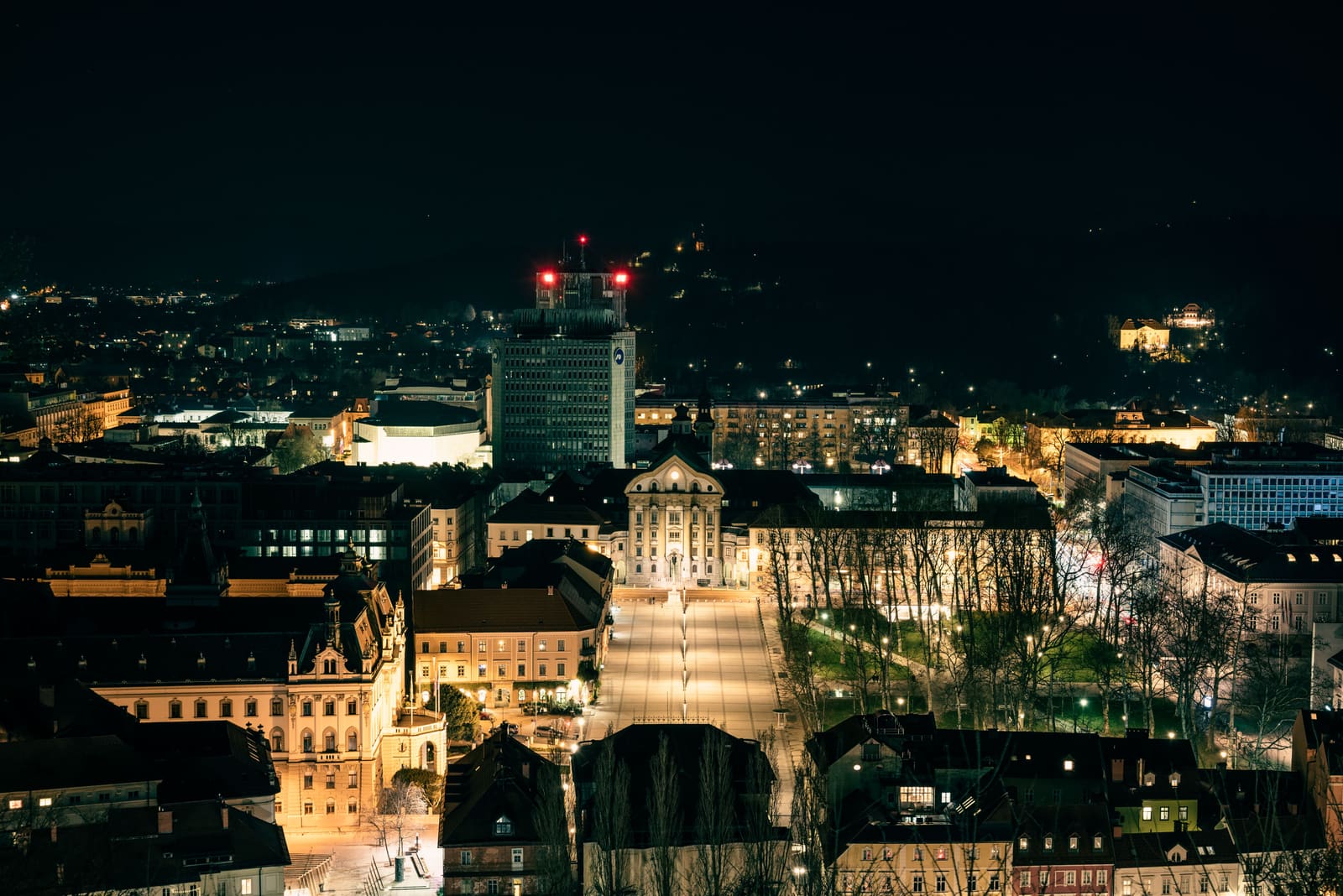
The European Commission has selected Ljubljana, the Slovenian capital, and Calvià, a municipality on Mallorca's southwest coast, as the 2027 European Capitals of Tourism. The awards, announced after presentations to a jury in Brussels on 18 and 19 November 2026, recognise efforts to steer tourism towards models that work for locals as well as visitors.
Ljubljana competed in the category for cities above 100,000 residents, where the criteria weigh sustainability, digital infrastructure, accessibility and cultural heritage support. Calvià, which includes the resort towns of Magaluf and Palmanova, won the category for destinations between 25,000 and 100,000 people, a bracket focused on sustainable tourism leadership. The two categories drew 83 applications in total.
The awards merge two previous European Commission competitions into a single programme. In 2026, Tampere in Finland and Dubrovnik in Croatia held the titles that preceded this unified format. Winners receive promotional backing from the European Union in 2027, including video production and international media support.
Spreading Visitors Across the City
Ljubljana's bid emphasised resident involvement and the deliberate dispersal of tourism activity beyond the historic core. The city runs LUV Fest, a cultural programme scheduled for February and March when visitor numbers typically fall. The event brings performances and exhibitions into the off-peak weeks, aiming to smooth seasonal demand and give cultural workers more stable income.
The Cultural Quarters initiative pushes in a similar direction. It encourages visitors to explore residential neighbourhoods rather than concentrating in the old town, while channelling spending towards cultural projects in those areas. The approach addresses a common pattern in European capitals, where tourism revenue clusters in a few postcard districts and leaves other parts of the city underserved.
Accessibility has been another focus. Ljubljana Tourism partnered with the Brez ovir Institute to evaluate more than 450 tourism businesses and attractions across the city and the wider Central Slovenia region. The findings are published online, allowing visitors with mobility, sensory or cognitive access needs to plan ahead. Participating businesses received tailored recommendations for physical and service improvements.
The city also operates the Ljubljana FLOWS platform, which tracks arrivals, overnight stays and accommodation occupancy. Since 2026, the system has incorporated artificial intelligence to forecast visitor flows, giving operators and policymakers a tool to anticipate pressure points. The data-driven approach reflects a broader shift in European city tourism management, where real-time monitoring is increasingly seen as essential to prevent infrastructure strain and resident backlash.
Shifting Away From Peak-Season Overload
Calvià's win reflects its ambition to move away from the high-volume, summer-concentrated tourism model that has defined much of the Spanish Mediterranean coast for decades. The municipality has highlighted environmental work, including the protection of Posidonia seagrass meadows, which stabilise coastlines and support marine biodiversity. Beach restoration projects are scheduled for winter months, when visitor numbers drop and the work causes less disruption.
The Puig de sa Morisca Archaeological Park, where natural and historical sites coexist, is part of the municipality's pitch for year-round appeal beyond the beach. The aim is to attract visitors interested in heritage and hiking, not just sun and nightlife, and to stretch demand across more months.
Calvià is also reclaiming land from obsolete hotel stock. The former Hotel Teix in Magaluf and Hostal Colón in Peguera are slated for conversion into public green space and infrastructure for electric mobility. The repurposing of ageing accommodation reflects a wider reckoning on the island about the quality and density of tourism development.
That reckoning has grown louder. In July 2026, protesters in Palma, Mallorca's capital, called for limits on visitor numbers and action on housing costs and environmental degradation. The demonstrations mirrored movements in Barcelona, Venice and other European destinations where residents argue that tourism has reshaped local economies in ways that price them out and strain public services.
Calvià's plans sit within that context. The municipality is betting that a shift towards fewer, higher-spending visitors distributed across the calendar will ease pressure on infrastructure and housing while maintaining tourism revenue. Whether that balance is achievable remains an open question. The economics of seasonal resort towns depend heavily on volume, and year-round diversification requires investment in attractions and services that appeal outside the traditional beach season.
Recognition and Scrutiny
The European Capitals of Tourism awards are designed to highlight destinations that are experimenting with tourism management rather than simply growing arrivals. The title brings visibility, but it also invites scrutiny. Both Ljubljana and Calvià will spend 2027 in the spotlight, with the European Commission promoting their strategies internationally.
For Ljubljana, the challenge will be maintaining resident support as tourism grows. The city has avoided the overtourism flashpoints seen in Prague or Amsterdam, but its compact historic centre is vulnerable to crowding. The cultural programming and neighbourhood dispersal strategies are intended to prevent that, but they require sustained funding and coordination.
For Calvià, the test is whether the municipality can genuinely shift the tourism model or whether the infrastructure and market dynamics of mass beach tourism prove too entrenched. The conversion of old hotels into public space is a tangible step, but it represents a small fraction of the municipality's accommodation stock. Extending the season and attracting different visitor segments will require collaboration across the island's tourism industry, not just municipal action.
Both destinations are also navigating the broader European debate about tourism's role in local life. The awards acknowledge that debate and suggest that managing tourism well, rather than growing it indefinitely, is becoming the more valued skill. The 2027 title gives Ljubljana and Calvià a platform to demonstrate whether their approaches can deliver on that promise.