The Search for Soul in a Meal
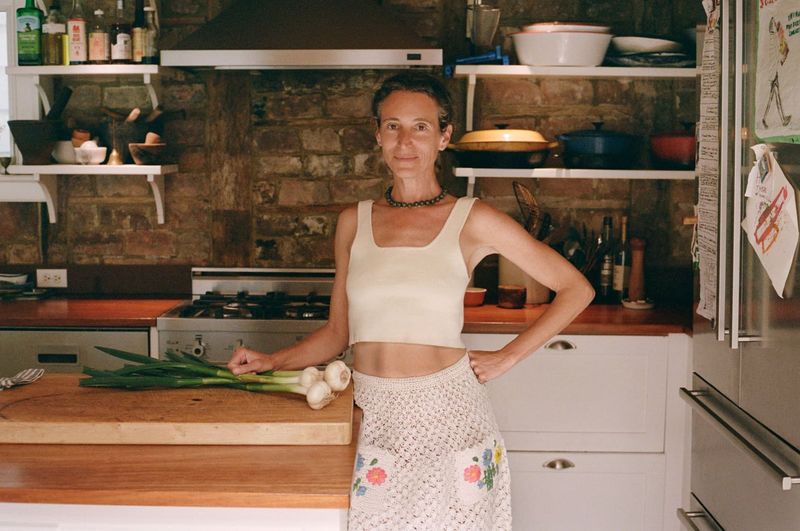
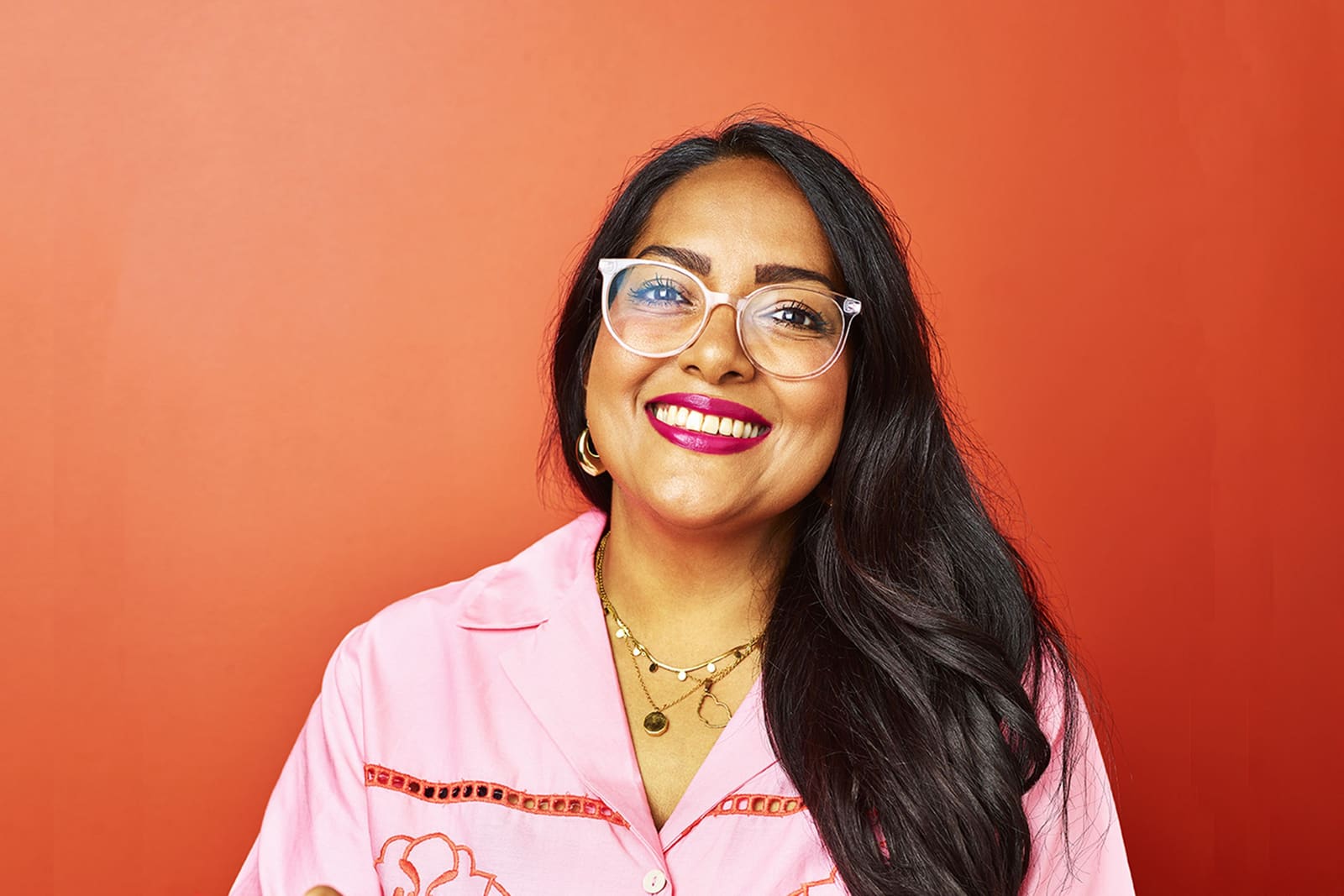
Shelina Permalloo has spent years chasing a particular feeling in restaurants. Not the perfectly plated dish or the Michelin star, but something harder to pin down: the moment when a meal opens a door into a place's identity. "For anyone who loves food, you want to go to a restaurant at that moment where you understand the people, the culture, the place and its identity through hospitality," she says.
Permalloo, the first woman of colour to win MasterChef UK in 2012, built her career on fusion cooking before the term became fashionable. Born in Southampton to Mauritian parents, she grew up eating food that blended African, French, Indian and Chinese influences. After selling her restaurant in 2023, she released a new cookbook and now shares five restaurants that, for her, embody the places where they sit.
Grenada: Lessons from Breadfruit Trees
At Dre Flavours in Grenada, chef Andre Bernard strips fine-dining technique back to home cooking. Permalloo remembers breadfruit hanging from trees above a river, and a pumpkin-coconut soup that required serious skill to get the emulsion right. "It takes great skill to get that emulsion right, that blending of the fat from the coconut," she notes.
Bernard's grandfather was Indian, and that heritage surfaces in his cooking alongside Grenada's famous spices. Nutmeg, mace, cinnamon and pimento appeared in every dish. A tomato stew reminded Permalloo of Creole ragi, an African-inspired dish from her own background. The flavours were layered: rich, salty, sweet, sour and tangy all at once.
Grenada calls itself the Isle of Spice and puts nutmeg on its flag. Bernard's cooking makes the case for why.
Marrakech: A Kitchen Run by Women
Morocco holds personal significance for Permalloo; her daughter is half Moroccan, and she has travelled widely across the country. Al Fassia in Marrakech offered her a way into the culture that felt authentic. The name translates to "women of Fez", and the restaurant is run entirely by women in a country where senior kitchen roles typically go to men.
Permalloo has visited three times. Slow-roasted lamb must be ordered a day in advance. But the dish that stayed with her was a tapas-style starter: about 18 small plates covering the table at once. Olives, preserved lemons, orange blossom salad, carrots. "Their carrot salad had me in a choke hold," she says.
The restaurant captures the breadth of Moroccan cooking, from Berber traditions to North African flavours, without flattening the differences.
Rome's Coast: The Gate You Need to Know
Ostia, the seaside town closest to Rome, is full of restaurants that look identical from the outside. Gates numbered one through ten open onto different establishments along the beach. Locals, according to Permalloo, only go to gate number seven.
Cancello Numero 7 serves vongole, the clam pasta that defines Roman coastal cooking. Permalloo lived in Rome on and off for seven years during her first marriage. She describes the hospitality as "bare-minimum", the kind where you hear the chef shouting and a staff member complaining about family while you wait. "But it doesn't really matter because then the vongole arrives and it's all about the pasta. All is forgiven."
The setting matters: feet in the sand, a misty view of the sea, sunset or sunrise. The wine list is small but well chosen. It is not fancy, and that is the point.
Mauritius: Family Tables on the East Coast
Chez Tino sits in Trou d'Eau Douce on Mauritius' east coast. The name means "small watering hole". For Permalloo, no trip to the island is complete without eating there. The family-run restaurant offers either indoor seating or a roof terrace with panoramic views of the bay and the island's interior greenness, which tourists often overlook.
The menu spans Mauritius' ethnic makeup: African, French, Indian and Chinese. Permalloo recommends the fried noodles with garlic water and crushed chilli paste, Creole prawns on the side, and octopus curry. "The restaurant is generous with amazing hospitality. Everyone is smiling," she says.
It reminds her why Mauritians are considered so hospitable. "If you ask anyone in Mauritius for directions, they'll actually walk with you, probably via their house to give you a drink and a snack."
Ghana: The Buffet That Changed Her Mind
Permalloo does not like buffets. She makes one exception: Lancaster Accra in Ghana. She visited with a Ghanaian friend from university who wanted to show her the flavours of the country. They went on a Sunday, when families dress up for the occasion.
The buffet was nothing like the tired steam trays she expected. Cassava was being pounded fresh. Grilled meats cooked to order. Stews fried off in front of diners. Everything smelled and tasted fresh.
The standout was fufu, the starchy side made from pounded cassava or yams. "I always say now that the fufu in Ghana is the fufu that all other fufus will be judged by because I've never eaten fufu like it," she says. The goat soup was light, with onions, chilli and spices particular to Ghana.
The experience immersed her in British Ghanaian culture in a way that felt complete.
What Hospitality Means
Permalloo's choices share a thread: they are all places where food and hospitality merge into something that feels like identity. None are tourist traps. Some are not even particularly polite. But they all offer a version of generosity that goes beyond service.
Her new cookbook reflects the same philosophy. After selling her restaurant, she wanted to write recipes that honoured her Mauritian heritage and her life as a single mother without requiring hours in the kitchen. The book includes Korean tofu jjigae, chicken jollof, Mauritian noodles and pan-fried plantain. Fusion, in her hands, is not confusion. It is clarity about where she comes from and what she wants to cook now.
The restaurants she loves do the same thing: they make clear what a place is about, one meal at a time.