A Quiet Hobby Goes Mainstream
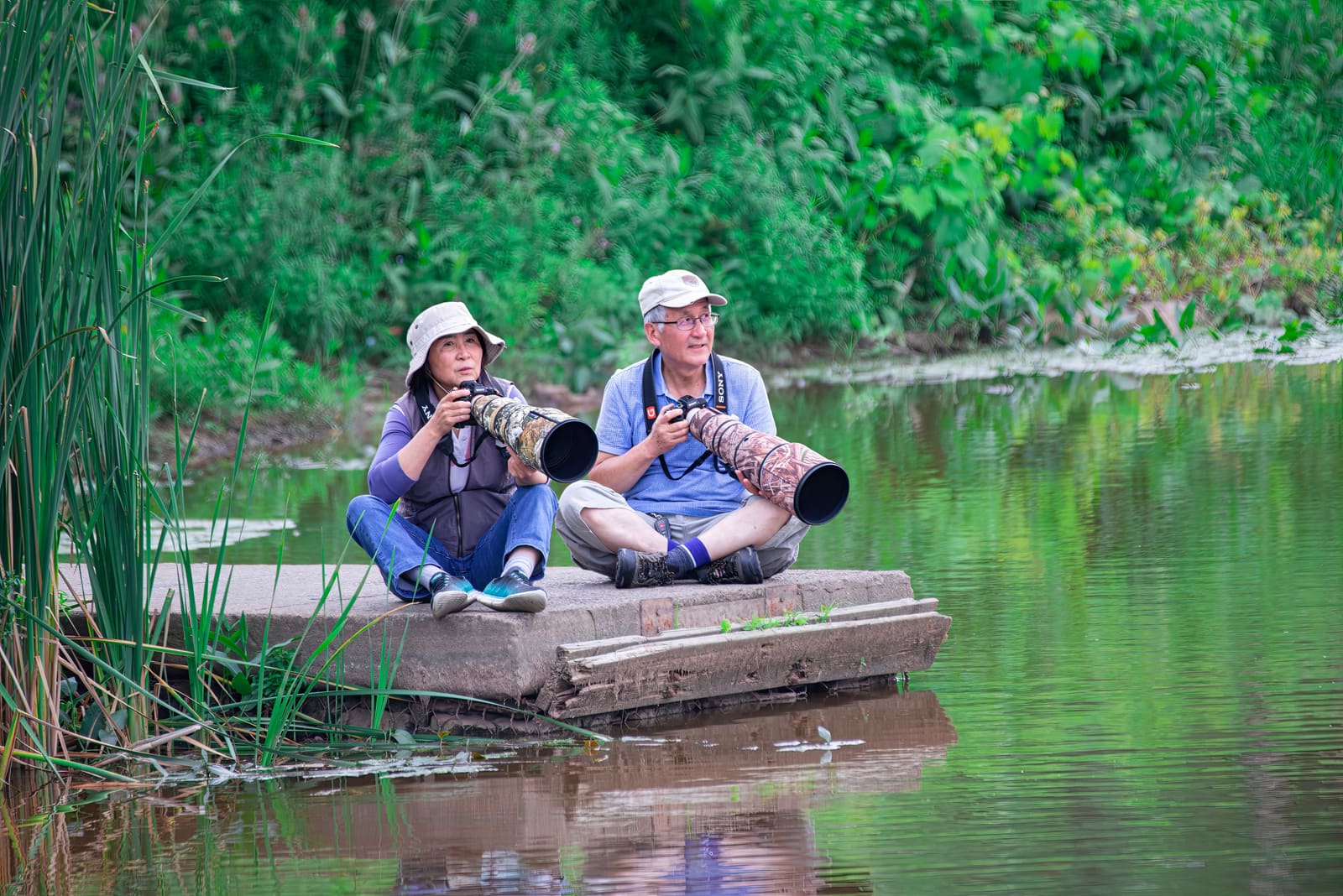
Birdwatching has never been new. Field guides have sat on shelves for decades, and scientists have tracked migration patterns for centuries. What has shifted is who is doing it and why. Travellers are now building trips around the chance to spot birds, treating it less as a niche pastime and more as a reason to go somewhere.
According to GetYourGuide, bookings for birdwatching experiences rose 65 per cent in 2026 compared to the previous year. The platform's research found that 45 per cent of travellers now consider the activity cool, a notable change for something long dismissed as the domain of retirees and academics. On TikTok, the hashtag #BirdTok has surpassed one billion views, suggesting the interest reaches well beyond traditional outdoor circles.
The Royal Society for the Protection of Birds reported in 2026 that regular birdwatching participation in Britain increased 47 per cent across all age groups over the previous eight years. Among Gen Z in Britain, the figure is sharper: 750,000 young people now watch birds regularly, an 1,088 per cent rise since 2018.
What's Driving the Shift
Voyageurs du Monde, a French tour operator, included birdwatching in its 2027 travel trends, framing it as part of a broader return to analogue activities. The rationale is straightforward: as digital life becomes more pervasive, people are gravitating towards hobbies that require patience, presence, and minimal technology. Film photography and crochet followed similar arcs; birdwatching appears to be next.
The appeal is practical as well. Birdwatching requires little equipment, can be done almost anywhere, and scales easily from a morning walk to a multi-country expedition. It also fits neatly into the current appetite for slower travel, where the goal is less about ticking off landmarks and more about spending time in a place without a rigid agenda.
That said, the activity is not without demands. Serious birdwatching means early mornings, long stretches of stillness, and a willingness to accept that the birds may not cooperate. It rewards patience more than speed, which may be precisely why it resonates now.
Where People Are Going
Insurance company AllClear Travel analysed over 100 popular birding sites worldwide, ranking them by species diversity and viewing conditions. Peru dominated the global list, with Manú National Park and Tambopata National Reserve taking the top two spots. Both parks sit in the Amazon basin, where humid lowland forest and cloud forest meet, creating habitat for hundreds of species.
Kenya's Tsavo East National Park came third, followed by the Pantanal wetlands in Brazil and Ecuador's Milpe Bird Sanctuary. Costa Rica claimed two entries, Carara and Corcovado, while India's Keoladeo National Park and South Africa's Kruger rounded out the top ten. The variety is notable: tropical rainforest, savannah, wetland, and coastal reserve all feature, suggesting that birdwatching destinations are not limited to one ecosystem or climate.
In Europe, the top spot went to Falsterbo Peninsula in Sweden, a migration bottleneck where thousands of raptors and songbirds funnel through each autumn. England placed five sites in the top ten, including Titchwell Marsh, Minsmere, and Rutland Water, all managed wetlands with hides and marked trails. Greece contributed two, both wetlands, and Portugal's Ria Formosa Natural Park came tenth.
The European list skews heavily towards accessible, well-managed sites with infrastructure. The global list leans towards remote parks with high biodiversity but fewer amenities. The difference reflects two distinct approaches: one prioritises comfort and ease, the other prioritises rarity and immersion.
Seasonality Matters
Birds move. Migration timing, breeding cycles, and food availability all shift with the calendar, which means a site that delivers in April may be quiet in November. Travellers planning a birdwatching trip need to account for this, or risk arriving when the species they hoped to see have already left.
Falsterbo, for instance, peaks in late summer and early autumn, when southbound migrants concentrate along the coast. Keoladeo is best in winter, when migratory waterfowl from Central Asia arrive. The Pantanal's dry season, roughly May to September, offers better access and visibility, while the wet season brings breeding activity but also flooded roads.
This seasonality adds a layer of planning that other forms of travel do not always require. It also means that repeat visits to the same site can yield entirely different experiences, which may be part of the draw for those who take the hobby seriously.
A Trend With Staying Power
The growth in birdwatching travel is not a sudden spike. It has been building for several years, supported by platforms that make it easier to find guides and tours, social media that normalises the activity, and a general shift towards experiences that feel less extractive and more observational.
Whether it continues to grow at the current pace depends partly on how accessible the infrastructure remains. Birdwatching does not require luxury, but it does benefit from knowledgeable guides, well-maintained trails, and clear information about what to expect. The destinations that invest in these elements are likely to see sustained interest.
For now, the trajectory is upward. Travellers across age groups and geographies are choosing to spend time looking for birds, and the destinations that cater to them are seeing the results.