When the Temperature Drops, the City Wakes Up
Winter in Anchorage is not a season to endure but a reason to gather. Between late November and early April, the city's calendar fills with festivals that draw on Indigenous traditions, celebrate regional brewing, and turn frozen parkland into outdoor cinemas and ski trails lit by decorated trees. The pattern is consistent: cold weather arrives, and so do the events that define the city's identity.
This is not a packaged tourist season. Most of these gatherings began as local affairs and remain that way, shaped by the needs of filmmakers, mushers, brewers, and communities keeping older customs alive. Some are free. Others cost the price of a pint glass or a race entry. All of them assume you are willing to be outside when it is dark and well below freezing.
A Month Named in Dena'ina
Heyi Days, running from 27 November to 31 December 2026, takes its name from the Dena'ina Athabascan word for winter. The Dena'ina are Anchorage's First People, and the festival was designed to honour that connection whilst making the season accessible to everyone in the city. Events unfold daily across neighbourhoods: outdoor ice rinks open in parks, ski loops wind through areas where moose and foxes are common sightings, and food stalls serve everything from halibut tacos to Himalayan dumplings around fire pits.
The festival does not centre on a single venue or headline act. Instead, it spreads across the city, embedding itself in everyday winter life. Parks stay lit longer. Markets pop up in community centres. The solstice becomes a shared occasion rather than a private one.
Film, Folk, and Fermentation
The Anchorage International Film Festival, scheduled for 4 to 13 December 2026, is the state's largest platform for independent cinema. Screenings include shorts and features, but the festival also runs panel discussions, workshops, and networking sessions aimed at sustaining Alaska's small but active film community. Indigenous filmmakers receive particular emphasis, reflecting a broader effort to ensure that the state's storytelling does not remain the domain of outsiders alone.
Later in the season, the Anchorage Folk Festival takes over venues around town from 21 to 31 January 2027. Now in its 37th year, the festival is free to attend and built around the idea that music creates connection. Workshops run on weekends at the University of Alaska Anchorage, whilst barn dances, ukulele jams, and banjo contests fill the rest of the schedule. An annual fundraiser concert, with tickets starting at 20 US dollars, helps keep the event running.
On 30 January 2027, the Alaska Craft Brew and Barley Wine Festival brings together brewers from across the state at the Dena'ina Centre. Over 200 drinks are available to sample, including a range of non-alcoholic options. The event is organised by the Brewers Guild of Alaska in partnership with Peak 2 Peak Events, and it draws crowds less interested in polite tastings than in a loud, communal celebration of what the state produces.
Racing Outhouses and Racing Dogs
Fur Rendezvous, known locally as Fur Rondy, runs from 25 February to 7 March 2027 and marks its 91st year. The festival began as a tribute to the winter gatherings of Alaska's fur trappers and miners, who would emerge from months of isolation to trade stories and supplies. Today, it includes sled dog races, snow sculpture competitions, and the Frostbite Footrace, where participants are encouraged to wear elaborate winter costumes.
It also hosts the world's largest Outhouse Races, in which teams push decorated latrines through a course. The event is absurd by design, a reminder that winter festivals here do not take themselves too seriously.
The Iditarod Sled Dog Race begins its ceremonial start on 6 March 2027, launching from 4th Avenue and D Street in downtown Anchorage before heading out on a 1,000-mile course to Nome. The race is a significant cultural event in Alaska, and the city's streets fill with spectators who line the steepest hill at Cordova Street and 16th Avenue or gather near University Lake for a quieter vantage point. Many mushers open their kennels to the public throughout the year, offering tours and occasional lessons in dog handling.
Solstice on Skis
The Solstice Tree Tour, organised by the Nordic Skiing Association of Anchorage on 12 December 2026, transforms Kincaid Park into a night-time trail lined with decorated trees and coloured lights. Visitors ski or snowshoe a 1.5-mile loop, then return to free hot chocolate, s'mores, and live music. Children crawl through illuminated tunnels whilst adults drink beer from Raven's Ring Brewery near warming barrels. Attendees vote on their favourite tree before heading home.
It is a small event, but it captures a recurring theme in Anchorage's winter programming: the assumption that people will show up, even when it is cold and dark, if there is something worth gathering for.
Chasing the Lights
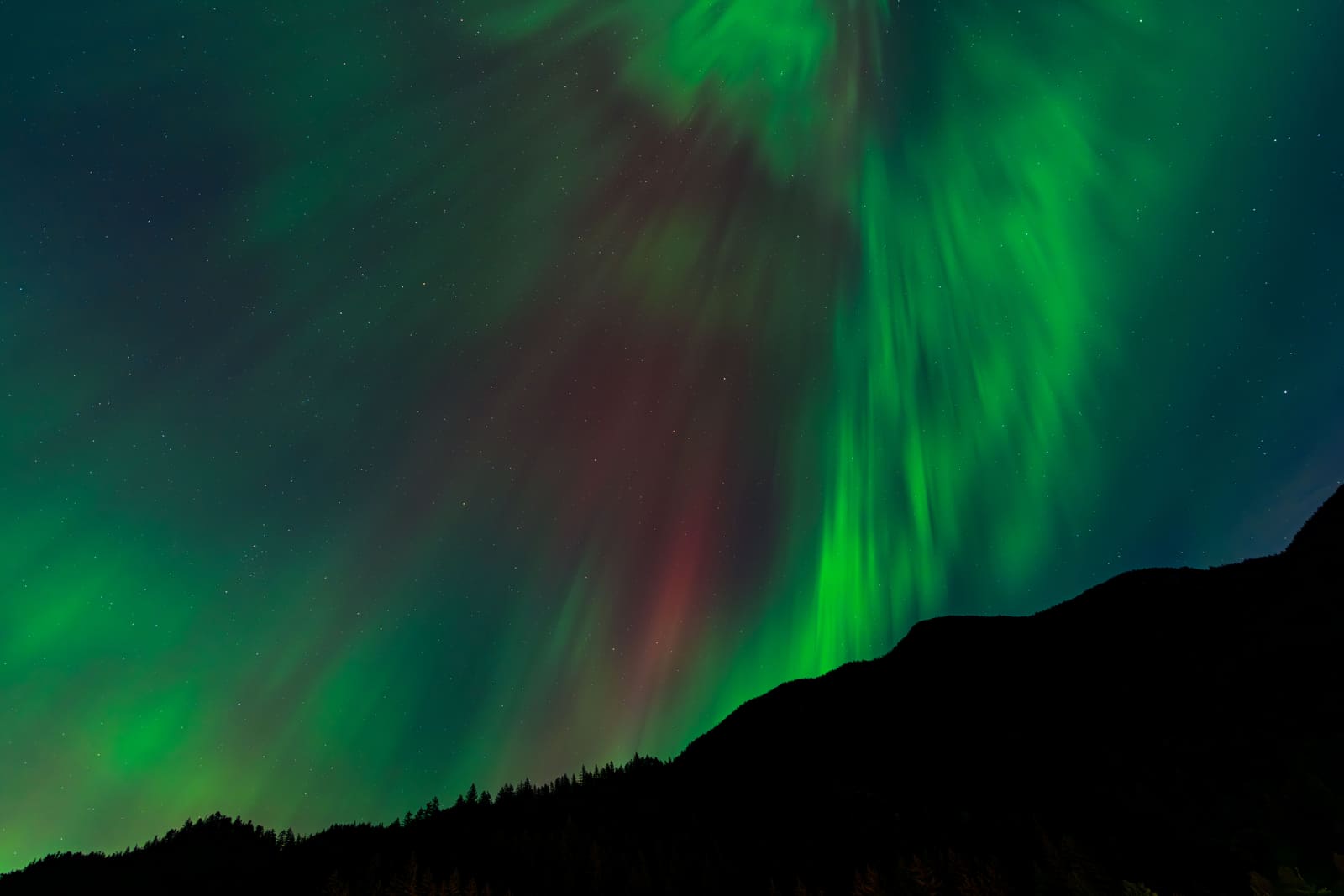
Aurora viewing season stretches from August to April, and Anchorage offers multiple vantage points for watching the northern lights. Point Woronzof, a coastal park on the north-western edge of the city, provides unobstructed views, whilst the Eagle River Nature Centre sits at the entrance to Chugach State Park and offers a more remote setting. Tour operators combine aurora viewing with dog sledding and snowmobiling for visitors who want a more structured experience.
The lights are unpredictable, and seeing them requires patience, clear skies, and a willingness to stay awake late. But for many residents, the effort is part of the season's rhythm, another reason to be outside when most cities would be shuttered indoors.
What It Adds Up To
Anchorage's winter is not a single event but an accumulation of them, each reflecting a different aspect of the city's makeup. Indigenous heritage, independent art, regional brewing, and frontier history all find space on the calendar. The result is a season that feels less like a tourism campaign and more like a series of invitations to participate in what the city already does for itself.