A Long-Running Debate Reaches Its End
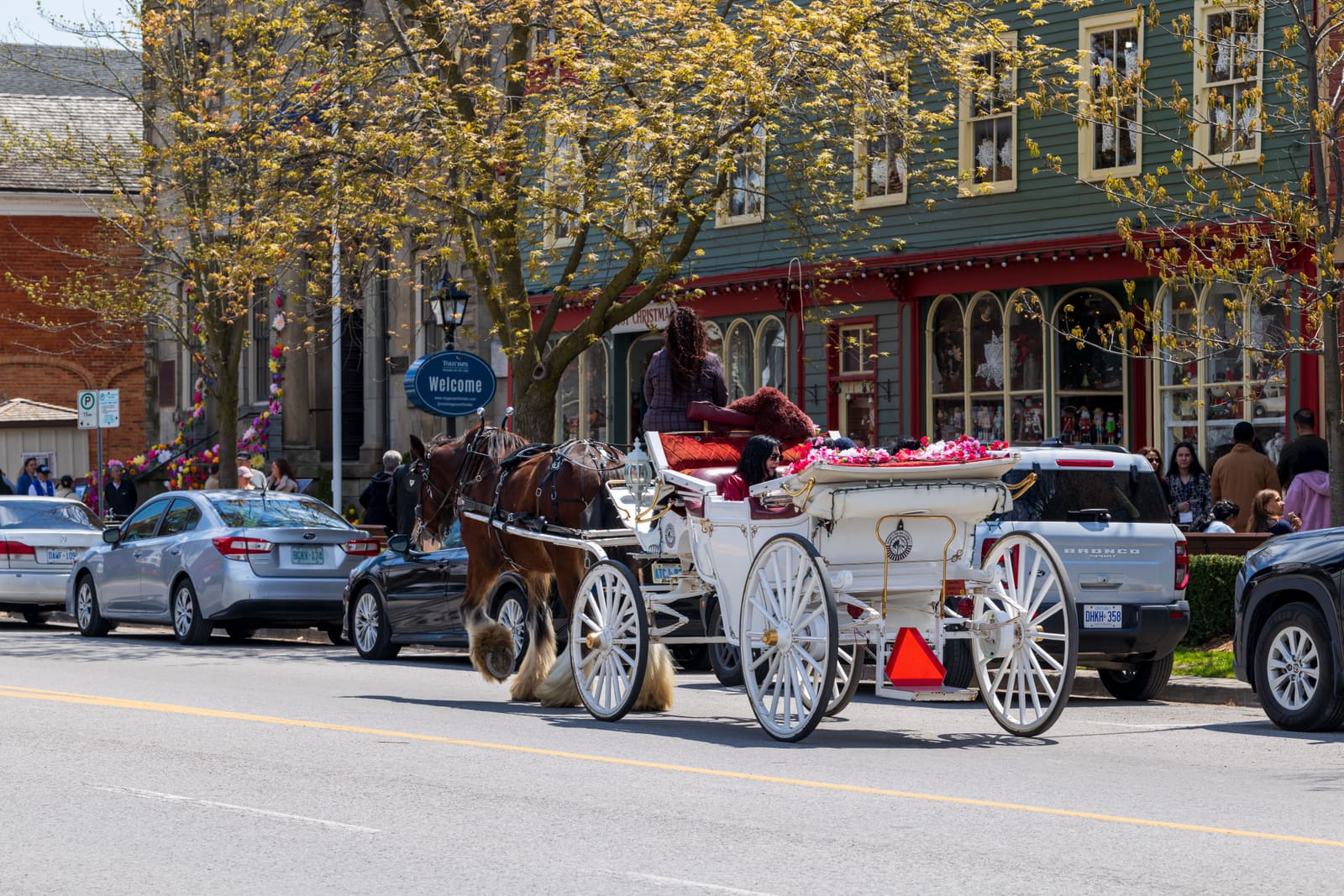
New York City's horse-drawn carriages, a fixture since the mid-19th century, will disappear from the streets by mid-2028 under legislation passed by the city council on 22 October. The vote marks the culmination of decades of debate over whether the tourist attraction belongs in a modern city.
The carriages have operated for more than 165 years, becoming one of those activities that travel guides routinely mention and visitors photograph. Drivers have long defended the tradition. Conor McHugh, a carriage driver and stable manager, told a council hearing earlier in 2026 that the rides represent "one of the most iconic things to do" in New York. "People from all over the world know about us and travel to New York to come for a carriage ride in the park," he said.
But that iconic status has been contested for years. Animal welfare groups have questioned whether horses should be working in urban traffic and heat. Safety concerns have also mounted, particularly after incidents involving runaway horses or collisions with vehicles.
A Fatal Incident Accelerates Action
The push to end the industry gained fresh momentum in June 2026, when a teenage tourist from India died in an incident involving a runaway carriage horse. Romanch Mahajan's death turned a simmering policy debate into an urgent question about visitor safety.
The incident appears to have shifted the political calculus. Efforts to ban or limit the carriages have surfaced repeatedly over the years, but they typically stalled amid pushback from drivers, stable owners, and some tourism advocates who argued the rides were harmless tradition. This time, the council moved ahead.
The new law requires a phase-out by mid-2028, giving the industry roughly 18 months to wind down operations. No details have been announced yet on compensation for carriage owners or relocation plans for the horses, though those questions will likely surface as the deadline approaches.
What Replaces a 165-Year-Old Tradition?
Ending the carriages leaves a gap in Central Park's tourism ecosystem. Pedicabs have been suggested as a potential alternative, offering pedal-powered rides that avoid the animal welfare issues. But city council members have noted that the pedicab industry brings its own complications, including complaints about aggressive solicitation and inconsistent pricing.
Whether pedicabs can or should fill the void is an open question. They lack the nostalgic appeal that carriages carried, and they operate under a looser regulatory framework. Some visitors may simply skip the ride altogether and walk the park on foot, which costs nothing and avoids the ethical concerns that have shadowed the carriage trade.
The phase-out also raises broader questions about how cities balance heritage tourism with contemporary values. Horse-drawn carriages are not unique to New York; they operate in cities from Vienna to Charleston. New York's decision may prompt other destinations to reconsider whether their own carriage industries can withstand similar scrutiny.
The Economics of Nostalgia
For the drivers and stable operators, the end of the carriage trade means the loss of a livelihood. Many have worked in the industry for years, some across generations. The financial impact will extend beyond the drivers themselves to the stables, farriers, and suppliers who have supported the trade.
Tourism operators who marketed carriage rides as part of New York itineraries will also need to adjust. The rides were never the city's biggest draw, but they occupied a particular niche: a relatively affordable, photogenic activity that felt distinctly New York. Finding a replacement that carries the same cultural weight will not be straightforward.
At the same time, the decision reflects a shift in what tourists expect and what cities are willing to offer. Younger visitors, in particular, have shown less tolerance for attractions that involve animals in ways that seem exploitative. The same dynamic has reshaped everything from elephant rides in Southeast Asia to dolphin shows in marine parks.
A Changing Landscape for Urban Tourism
New York's move fits into a wider rethinking of how cities present themselves to visitors. Authenticity and ethics increasingly matter as much as novelty or tradition. An activity that once seemed charming can start to feel uncomfortable as cultural norms evolve.
The carriage ban also highlights the tension between preserving the past and adapting to the present. Traditions do not disappear without some sense of loss, even when the reasons for ending them are sound. For every tourist who avoided the carriages on ethical grounds, there was likely another who saw them as an innocent piece of old New York.
What comes next for Central Park tourism will depend partly on what the city and private operators choose to promote. Walking tours, bike rentals, and boat rides on the park's lake all exist as alternatives. None will replicate the carriage experience exactly, but that may be the point. The city is signalling that some experiences, no matter how iconic, no longer align with its values.
The carriages will likely linger in photographs and films long after the last one rolls through Central Park. Whether that is enough to preserve their place in New York's cultural memory, or whether they will fade into historical footnote, remains to be seen.